
The English translation is below
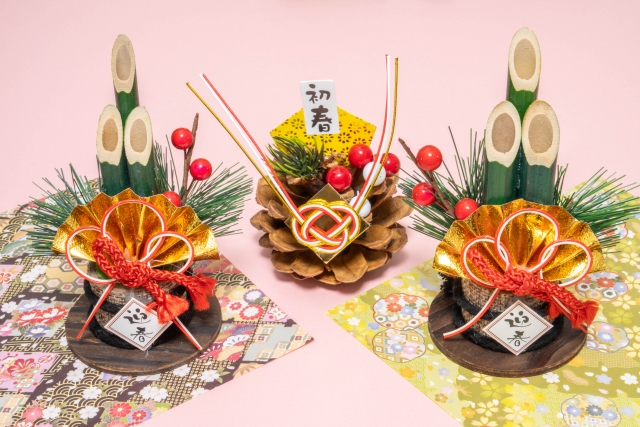
クリスマスが過ぎたとたん、街ではツリーがとっとと撤去されて
今度は門松が飾られるようになります。ほんと、余韻もなく
一晩で変わるんですよ〜(汗)そしてその新しい門松を見ると
あぁ〜今年ももうすぐ終わりだな…というしみじみとした
気分になります。欧米的なノリから一気に日本的な雰囲気に
引き戻される瞬間でもあります。
タイトルで、私は「残り少なくなってしまいました」という
表現を選びました。別に「残り少なくなりました」でもいいんですよ
今回はどういう時に「〜てしまいました」を使うのか、を解説します!
「〜した」は事実
「〜てしまった/口語では〜しちゃった」は事実+感情 です
この「感情」はもちろんいいことにも悪いことにも
両方に使えます。まず悪い例で見てみましょう
①恋人と別れた
事実を淡々と伝えているだけの印象です。
文字通り過去のことになってて、もしかしたらもう新しい出会いが…
②恋人と別れてしまった/別れちゃった
まだ未練が残っていて、吹っ切れてないことが伝わります
①別れた+悲しい→②別れてしまった という公式です
他にも
いつも使っていたマグカップが壊れた+残念
→壊れてしまった
おいし過ぎてたくさん食べ過ぎた+後悔
→食べ過ぎてしまった
寝坊した+ヤバイ!遅刻だ!→寝坊してしまった‼︎
私事ですが去年の今頃、不注意でパスケースを落としまして、
それについて書いた記事があるんですけど
もちろん「〜てしまった」の方を使っています
パスケースを落とした+なんてこったい→落としてしまった
と、何の迷いもなく「〜てしまった」を選びましたよ
良いことには口語の「〜しちゃった」を使うことが多いかもしれません
合格した+嬉しい→合格しちゃった!
宝くじに当たった+最高!→当たっちゃったー‼︎
英語話者の方でしたら
過去形を使うだろうと思う時 I broke up with him なら
「別れた」と「〜した」の方を選んで
現在完了形を使いたいと思う時 I’ve broken up with him
なら「別れてしまった」と「〜てしまった」を選んでもらえば
近いニュアンスになると思います
今回のタイトルも
今年も残り少なくなった+はぁ〜1年って早いな…しみじみ
→残り少なくなってしまいました
といういろんな思いがつまっています。
ごちゃごちゃ足して言わなくても、相手がこちらの思いを
汲み取ってくれるだろう、と思えるんですよね
同じ日本語を使い、同じ文化背景を持つもの同士が持つ
「察する能力」あっての言い回しかもしれません
As soon as Christmas is over, the Christmas trees are quickly taken down around town, and next come the kadomatsu decorations. There’s hardly any lingering holiday mood — it really changes overnight.
And when I see those new kadomatsu, I can’t help but feel a quiet sense of “Oh… this year is almost over.”
It’s also the moment when the atmosphere suddenly shifts from a Western, Christmas vibe straight back into something very Japanese.
“Shita” simply states a fact.
“~te shimatta” — or in casual speech, “~chatta” — expresses a fact plus emotion.
This “emotion” can be used for both positive and negative situations.
Let’s start with a negative example.
① 恋人と別れた
This sounds like a neutral statement of fact.
It feels as if the relationship is clearly in the past —
and maybe there’s already a new chapter ahead.
② 恋人と別れてしまった/別れちゃった
This suggests that there are still lingering feelings,
and that the speaker hasn’t fully moved on yet.
In short:
① “broke up” + sadness = ② 別れてしまった
Another example:
The mug I always used broke. + I feel disappointed
→ いつも使っているマグカップが壊れてしまった
It was so good that I ate way too much. + regret
→ 食べ過ぎてしまった
I overslept. + Oh no! I’m going to be late!
→ 寝坊してしまった
This is a personal story, but around this time last year, I carelessly dropped my pass case.
I actually wrote an article about it, and of course I chose the “~te shimatta” form.
I dropped my pass case + “Oh no!”
→ パスケースを落としてしまった
Without any hesitation, I went with “~te shimatta.”
For positive situations, the casual form “~chatta” is often used.
I passed the exam + I’m so happy
→ 合格しちゃった!
I won the lottery + This is amazing!
→ 宝くじに当たっちゃったー‼︎
For English speakers, if you would naturally choose the simple past — for example,
“I broke up with him” — then “別れた” or simply “〜した” is the closer match.
If, on the other hand, you feel inclined to use the present perfect —
“I’ve broken up with him” — then choosing “別れてしまった” or “〜てしまった” brings you much closer to the nuance.
The title this time works the same way.
This year is almost over + “Wow… time really flies” — that quiet, reflective feeling
→ 今年も残り少なくなってしまいました
All of those mixed feelings are packed into “〜てしまいました.”
Instead of spelling everything out in detail, you trust that the reader will sense what you’re feeling.
That kind of expression may only work because both sides share the same language and cultural background —
and with it, the ability to read between the lines.