The English translation is below
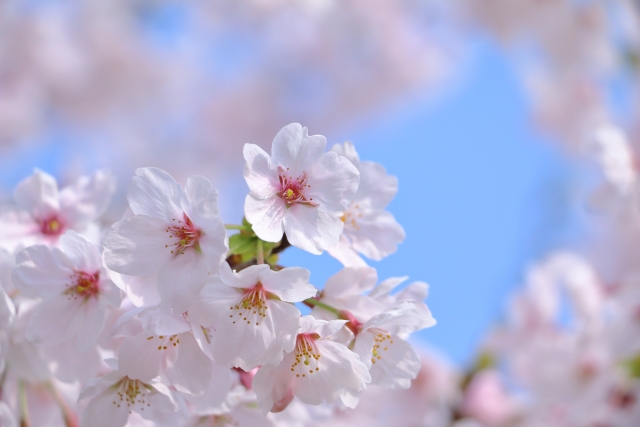
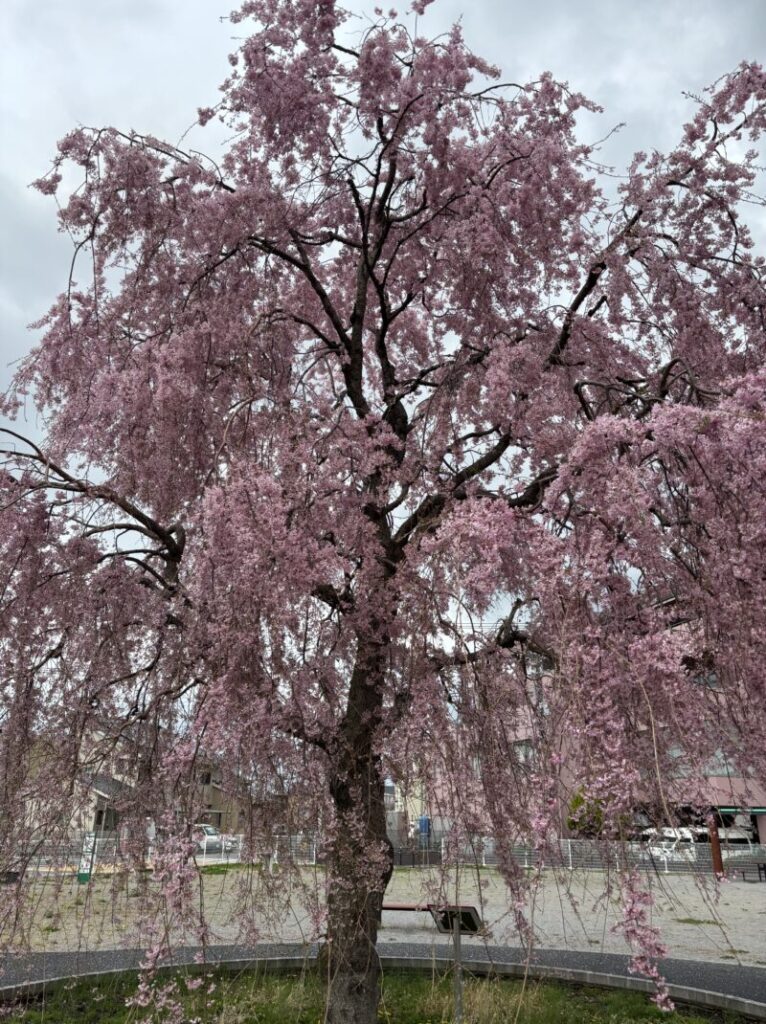
私の住む地域でも、桜が満開の時期を迎えました!
近所に、私の中で毎年目安にしているというか、シンボルに
なっている桜がありまして、3月末から注意深く見ていました
3月27日、遠くからだとこんな感じでしたが、近づいてみると
たくさんの枝にツボミをつけ始めていました
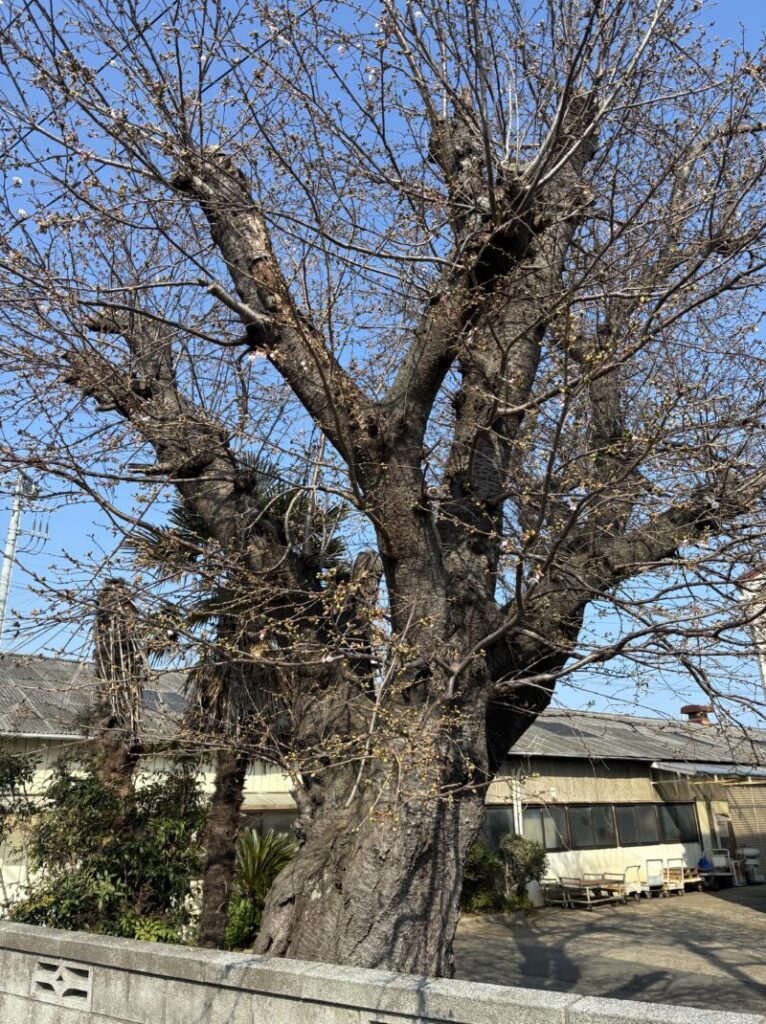
3日後
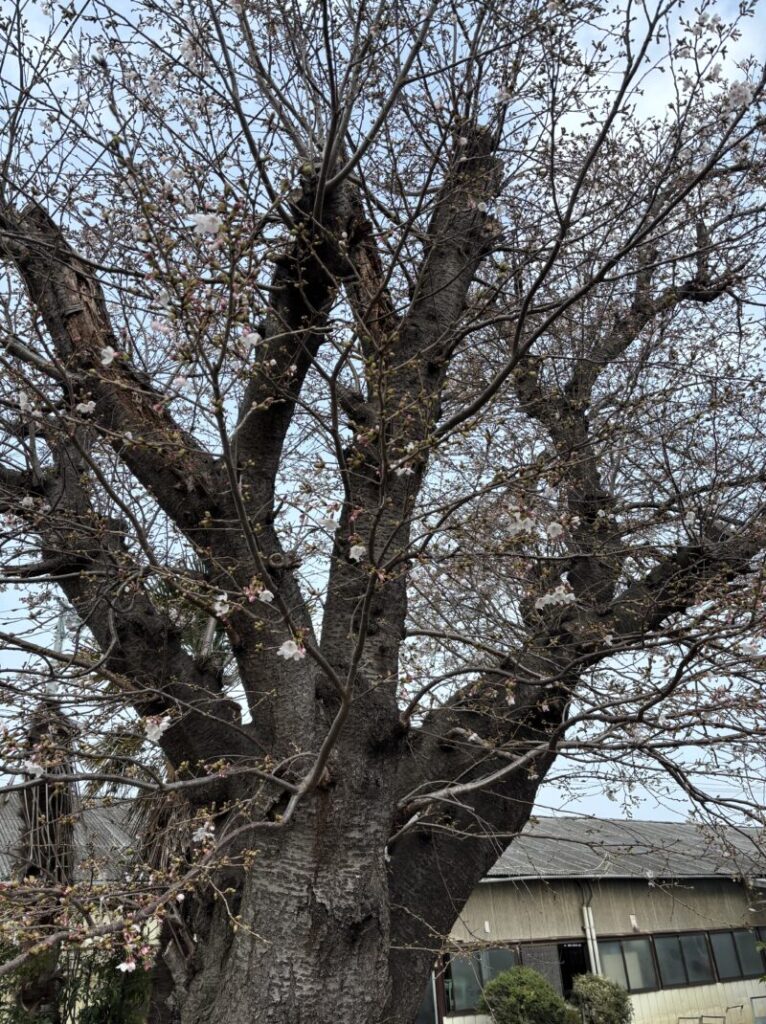
7日後
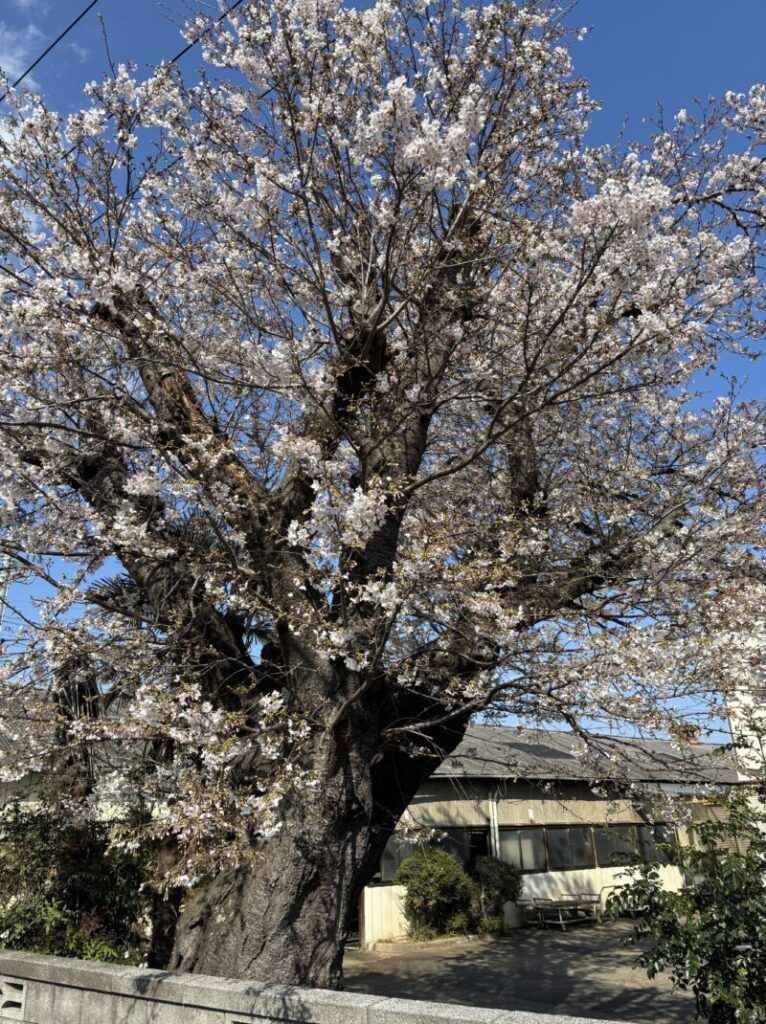
11日後 満開です!
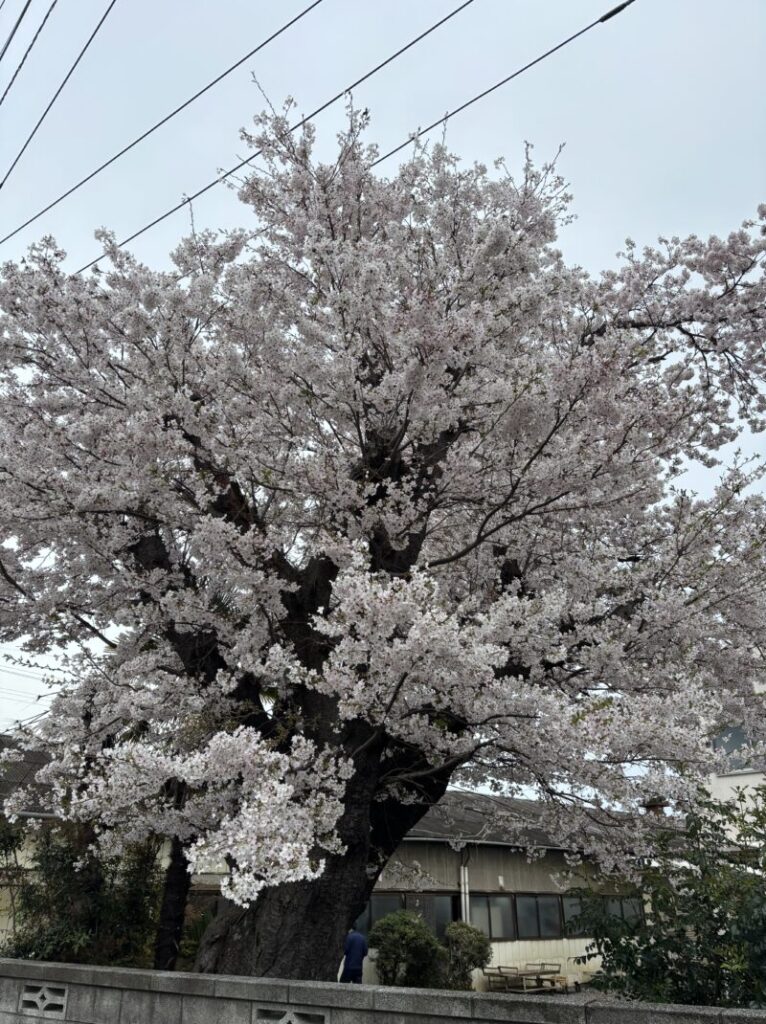
ちょっと曇ってて残念ですね。それにもう明日には散り始めるでしょう
一気に咲いて、美しい時期はあっという間に終わってしまいます
というより、散っていく姿がまた美しい…
茶色になってしぼんでいく花と違って、可憐なピンクのままで
たくさんの花びらがひらひらと舞い落ちるのです。桜吹雪とも呼ばれてます
桜は日本人にとって特別な存在です。美しさとはかなさだけではない
もっと私達の心の奥に結びついている思いを、皆さんに知っていただければと思います
1番大きな要因は、日本の年度の初めが4月だということだと思います
学生なら受験を終えると4月に入学式があり、同じ学校でも
1つ上の学年に上がって新しいクラスになり
社会人なら配置換えや転勤になったりと、違う環境になることも多いです
なので、その前の3月は卒業や退職など、別れの季節になるのです
桜が咲く頃にはもう、これまでのように一緒にはいられないんだな…
新しい生活が始まって、それぞれの道を歩いていくんだな…と
出会いと別れの時期を語るのに、決して切り離せない花なのです
誰にとっても人生の節目に咲いている花、
おまけに、無視するには存在感のデカすぎる花!
ま、花というより木ですしね。学校の校庭に植えてあることが多いので
季節の移り変わりを桜と共に、いつも身近に感じていたのかもしれません
それだけに、桜の歌もたくさんあります。どの曲もそれなりに
経験あるあるなので、心に染みるんですわ…
春が来た!イェーイ‼︎という歌ではなく、別れの切なさを抱えながらも
前向きに進んでいこうよ、というものが多い気がしますね
日本人ならみんなが知っている、代表的な桜ソングをあげときますんで
よかったら聴いてみてください♪ サビの歌詞を味わうだけでも
私達が桜にどんな想いを重ねているかよく分かるのではないかと思います
◇さくら 森山直太郎
さくら さくら 今 咲き誇る 刹那に散りゆくさだめと知って
さらば友よ 旅立ちの時 変わらないその想いを 今
◇桜坂 福山雅治
君よずっと幸せに 風にそっと歌うよ 愛は今も愛のままで
揺れる木漏れ日 薫る桜坂 悲しみに似た薄紅色
◇SAKURA いきものがかり
さくら ひらひら 舞い降りて落ちて 揺れる想いのたけを抱きしめた
君と 春に願いしあの夢は 今も覚えているよ さくら舞い散る
◇桜 コブクロ
桜の花びら散るたびに 届かぬ思いがまた一つ
涙と笑顔に消されてく そしてまた大人になった
。。。なんとなく共通する切ない想いが感じられるでしょうか…?
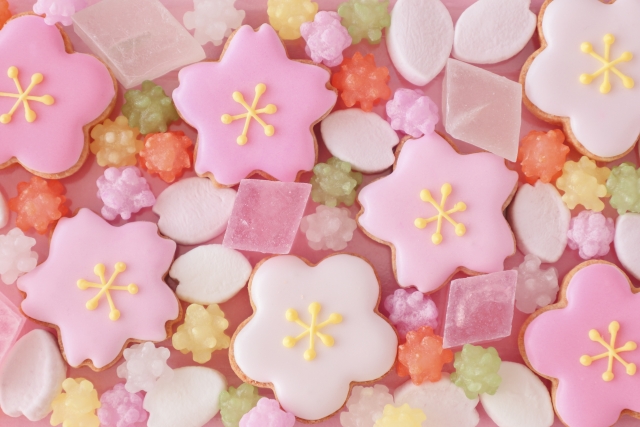
モチロン桜はしんみりするだけではありません!
限られた短い期間を堪能するためにお花見をしたり
桜餅や
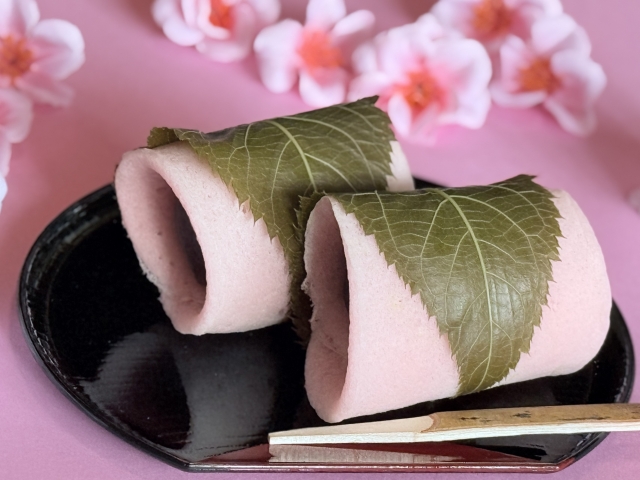
桜茶を楽しみます♪
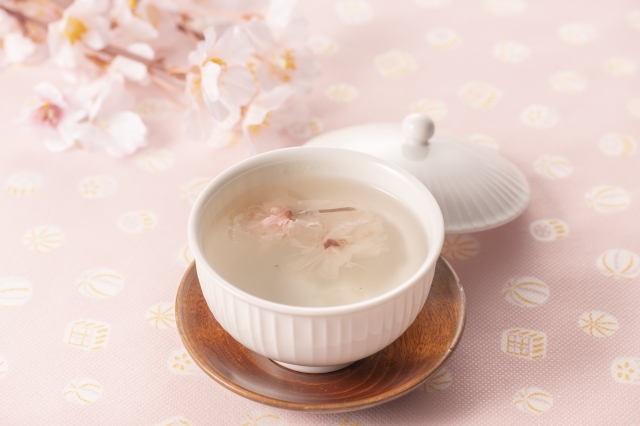
塩と梅酢で漬け込んだ桜の花びらに熱湯を注いだ、上品な香りと
ほのかな塩味の飲み物です。縁起物としてお祝いの席の定番です
でもやっぱり1番日本的だなぁと思うのは、桜の花の始まりと、ピークと、終わりを
人生そのものに重ね合わせてみてしまうところでしょうか
お年寄りが今年の桜を眺めながら
「あと、何回桜が見れるだろうか」とつぶやいたり
そしてついに病に倒れ、自分の余命を医師に尋ねるとき
「来年の桜は、見れますか?」
という問いかけは、きっと日本独特なのだろうと思います
自分自身はまだまだ先のことだと思いたいんで
あんまりその心境は想像つかないんですけど
自分も歳をとったらそうなるのかもしれないですね
もし海外に住んでいたら、と考えたら
この時期にはきっと「桜、見たいなぁ…」と
恋しく思っているのは想像がつくから・・・
The cherry blossoms have reached their peak where I live!
There’s a particular tree in my neighborhood that I think of as a kind of personal marker—or even a symbol of the season—so I’ve been keeping a close eye on it since late March.
On March 27, this is how it looked from a distance, but when I got closer, I could see that many of the branches were already starting to form buds.
Three days later.
Seven days later.
Eleven days later…
It was in full bloom!
It’s a bit cloudy, which is a shame—and by tomorrow, the petals will probably start to fall.
They bloom all at once, and their most beautiful moment passes in the blink of an eye.
Or rather, there’s a different kind of beauty in the way they fall.
Unlike flowers that wither and turn brown, cherry blossoms stay a delicate pink as countless petals drift softly through the air.
This scene is often called sakura fubuki, or a “cherry blossom snowstorm.”
Cherry blossoms hold a special place in the hearts of Japanese people.
Their appeal goes beyond beauty and transience.
I hope this has given you a glimpse of the deeper feelings they are connected to within us.
I think one of the biggest reasons is that the Japanese academic and fiscal year begins in April.
For students, once entrance exams are over, the new school year starts in April. Even within the same school, they move up a grade and often find themselves in a new class.
For working adults, it’s also a time of change—transfers and new assignments can mean starting over in a different environment.
That’s why March becomes a season of farewells, marked by graduations and retirements.
By the time the cherry blossoms bloom, there’s often a quiet realization: we won’t be together in the same way anymore…
A new chapter is beginning, and each of us is moving forward on our own path.
Cherry blossoms are inseparable from this time of meetings and partings.
They are always there at life’s turning points—
and honestly, they’re far too striking to ignore.
Well, they’re not just flowers—they’re trees, after all.
And since they’re often planted in schoolyards, perhaps we’ve always experienced the changing seasons with them close by.
That’s exactly why there are so many songs about cherry blossoms.
Almost all of them reflect experiences people can relate to, which is why they resonate so deeply.
They’re not the kind of songs that simply celebrate spring with a cheerful “Spring is here—yay!”
Rather, many of them carry a sense of bittersweet farewell, while still encouraging you to move forward.
I’ll share a few classic cherry blossom songs that pretty much every Japanese person knows, so feel free to give them a listen.
Even just paying attention to the chorus might give you a sense of the feelings we associate with these flowers.
◇ Sakura (Dokushō) – Naotaro Moriyama
Cherry blossoms, cherry blossoms, now in full bloom—
knowing they are destined to fall in a fleeting moment.
Farewell, my friend, it’s time to set out on our journey,
holding on to these feelings that will never change.
◇ Sakurazaka – Masaharu Fukuyama
May you always be happy—
I softly sing it to the wind.
My love is still just as it was.
Sunlight flickers through the trees,
and Sakurazaka is filled with the gentle scent of blossoms—
their pale pink tinged with a hint of sadness.
◇ SAKURA – Ikimono Gakari
Cherry blossoms flutter down, drifting through the air,
as I hold tight to the depth of my wavering feelings.
The dreams we wished for together that spring—
I still remember them now, as the petals fall.
◇ Sakura – Kobukuro
Each time the cherry blossom petals fall,
another unspoken feeling slips away.
Fading into tears and smiles,
and once again, I find myself a little more grown up.
Perhaps you can feel the same bittersweet emotions running through them…?
Of course, cherry blossoms aren’t just about quiet, sentimental moments.
People celebrate the short, fleeting season by enjoying hanami (flower viewing),
and by indulging in seasonal treats like sakura mochi and sakura tea.
It’s a drink made by pouring hot water over cherry blossom petals that have been pickled in salt and plum vinegar.
It has a delicate fragrance and a subtle salty taste, and is often served on celebratory occasions as a symbol of good fortune.
But perhaps what feels most uniquely Japanese is the way we see the beginning, the peak, and the end of cherry blossoms as a reflection of life itself.
You might hear an elderly person, gazing at the blossoms, quietly wonder,
“How many more times will I be able to see the cherry blossoms?”
And when someone eventually falls ill and asks their doctor about the time they have left,
they may ask,
“Will I be able to see the cherry blossoms next year?”
I feel that this kind of question is something uniquely Japanese.
Personally, I’d like to think that’s still a long way off for me,
so it’s hard to fully imagine feeling that way just yet.
But perhaps, as I grow older, I might come to feel the same.
When I imagine living abroad,
I can easily picture myself thinking,
“I wish I could see the cherry blossoms…”
and feeling a quiet sense of longing.