年明け最初の記事ですので、まずはこの挨拶から
明けまして おめでとうこざいます!
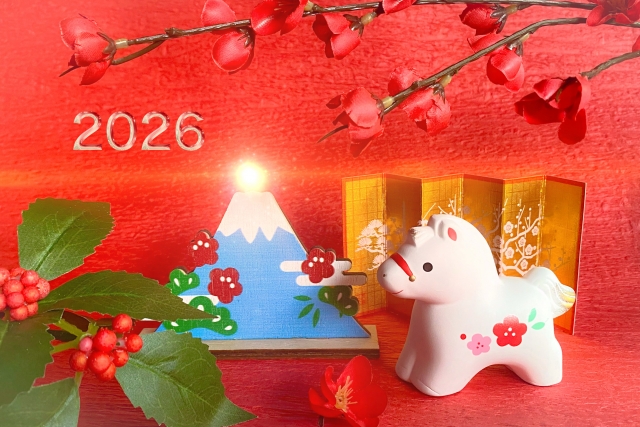
今年は午年(うまどし)です。何それ?と思う方は
昨年の記事『年賀状』をお読みください♪
さて、今年も四露死苦(ヨロシク)‼︎ってことで、
「ヤンキー漢字」をご紹介したいと思います!
前回の「漢字の魅力 其の二」で子供にキラキラネームを
つけてしまう親のことに触れましたが、それとはまた
違った展開の当て字で、サブカルチャーにもなっている現象です
それでは、仏恥義理(ぶっちぎり)で行くぜ‼︎
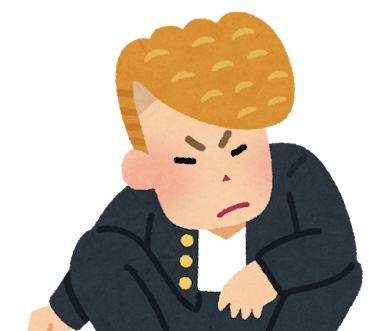
「ヤンキー」という言葉はアメリカから入ってきたものの
日本では全然意味が違っています。1980年代頃から広まり
元々は、派手な格好をして反抗的な態度をとる青少年や不良少年、
を指す独特の俗語でしたが、次第に特定のファッションや
文化を持つ若者たちへとニュアンスが変わってきました
一目でイメージが分かるのが、このバンド『氣志團』です!
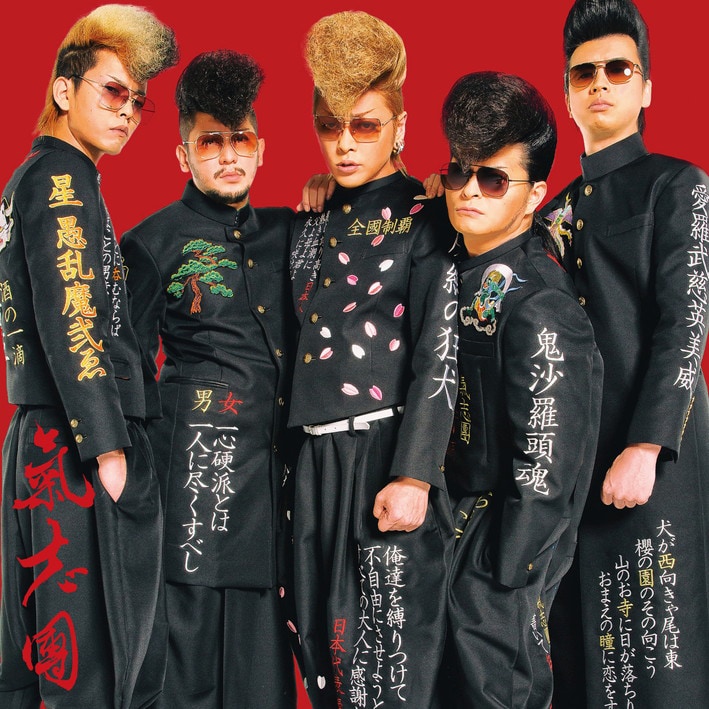
ザ•ヤンキー‼︎ 龍、松,桜、そして漢字などの豪華な刺繍で
埋め尽くされた特攻服が正装です!
「特攻」って生きては帰れないことを前提に敵に体当たりする
作戦なのですが、ヤンキー流には「全てを捧げる、命がけ」
という彼らなりの覚悟を意味するものです
漢字で書かれている内容も、チーム名や個人のモットー
仲間への深い忠誠心などが刻まれています
ヤンキーは先輩・後輩の上下関係に厳しいですが
友人や地元の絆をとても重視しています
自分自身が中高生の時は、ゲームセンターにたむろっている
ヤンキーたちに遭遇したら、目を合わせないようにしてましたが
大人になった今は「ごくせん」のドラマを観て
ヤンキーたちの友情に心が熱くなったりしてます(笑)
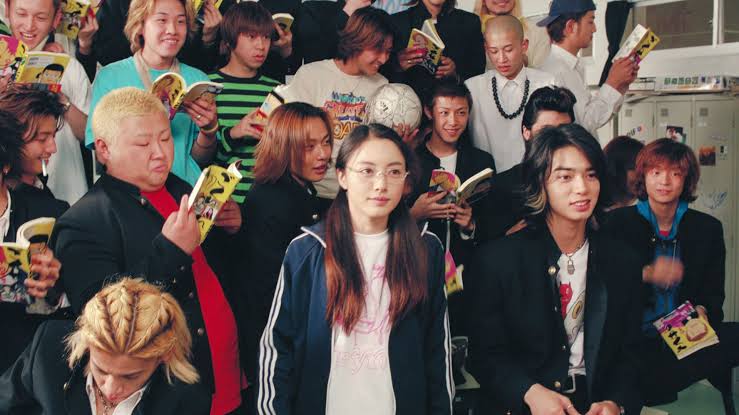
ついついヤンキーについて語り過ぎましたが
そのヤンキーたちが生み出した漢字や意味づけがまた
ブッとんでいるのです!マンガやアニメで有名なのは
「本気」と書いてマジと読み、「好敵」と書いて とも(友)と読む
喧嘩上等(けんかじょうとう)→売られた喧嘩はいつでも買う
天上天下唯我独尊(てんじょうてんげゆいがどくそん)→この世で俺が最強
さらに言葉の音だけを頼りに、攻撃的だったり威圧的な
漢字を使ってインパクトのある見た目に変えるのです!
すでに紹介した、四露死苦、仏恥義理の他にも
鬼魔愚零(きまぐれ) 愛死天流(あいしてる)
摩武駄致(マブダチ)ヤンキー流の親友のこと
怒鬼怒鬼(ドキドキ)オノマトペまであるんだ〜!
南無場阿腕(ナンバーワン) 愛羅武勇(I love you)
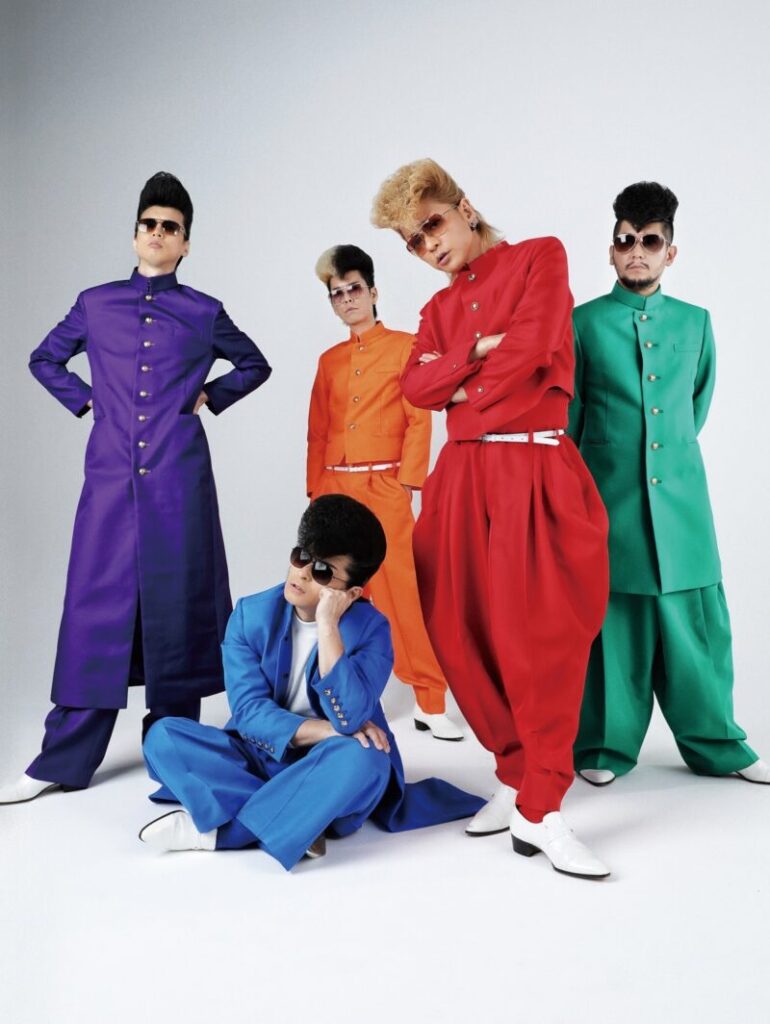
ヤンキー漢字、なかなか奥が深いですよね
正しい使い方に反抗しているけれども、漢字の、特に音読みの
知識がなくては生み出せません。画数が多くて難しめの
漢字をチョイスしているあたりもなかなかクリエイティブで
高度な言葉遊びなのではないでしょうか♪
こういうのって、中高生の時にちょっと流行るんですよね
カバンの見えないところに書いたり、愛羅武勇とか
イレズミをマネして油性ペンで腕に書いてる奴らもいました(笑)
今となっては微笑ましい記憶です♪
This is my first post of the year, so let me start with this:
Happy New Year!
This year is the Year of the Horse.
If you’re thinking, “What’s that?”, please check out my article from last year titled “年賀状”
So, with a big “Yoroshiku!” for this year as well — written in true yankee style as 四露死苦 —
I’d like to introduce “yankee kanji.”
In my previous post, “The Charm of Kanji, Part Two,”
I mentioned parents who give their children so-called kirakira (flashy) names.
Yankee kanji are a completely different kind of ateji (phonetic kanji),
and they’ve even grown into a form of subculture.
Alright then — let’s go butchigiri (仏恥義理), full throttle!
Although the word “yankee” originally came from the United States,
its meaning in Japan is completely different.
From around the 1980s, it became a unique slang term referring to rebellious youths or delinquent teenagers who dressed in flashy ways.
Over time, the nuance shifted, and it came to describe young people with a very specific fashion sense and cultural style.
If you want an instant visual image of what that looks like,
this band says it all: Kishidan (氣志團).
This is the yankee look.
Their formal wear is the tokkō-fuku — long coats completely covered in lavish embroidery,
featuring dragons, pine trees, cherry blossoms, and bold kanji characters.
The word tokkō originally refers to a military tactic in which soldiers attacked the enemy with no expectation of returning alive.
In the yankee context, however, it has been reinterpreted to mean total commitment —
a willingness to give everything, even one’s life, for what they believe in.
The kanji embroidered on these coats often include team names, personal mottos,
and declarations of deep loyalty to their comrades.
Yankees are strict about senior–junior hierarchies,
but they place great importance on friendship and strong ties to their local community.
When I was in junior high and high school,
if I ran into yankees hanging around at game centers,
I made sure not to make eye contact.
But now, as an adult, watching the drama “Gokusen”
sometimes makes my heart warm at the sight of their friendships (laughs).
I’ve gotten a bit carried away talking about yankees,
but the kanji they’ve created — and the meanings they’ve given them —
are just as wild.
In manga and anime, some famous examples include:
- 本気, written with the kanji meaning “serious,” but read as maji
- 好敵, literally “beloved enemy,” but read as tomo (friend)
And then there are phrases like:
- 喧嘩上等 (kenka jōtō)
→ Always ready to accept a fight if one is picked. - 天上天下唯我独尊 (tenjō tenge yuiga dokuson)
→ I’m the strongest being in this world.
They push this even further by relying purely on sound,
choosing aggressive or intimidating kanji to create a striking visual impact.
In addition to the examples already mentioned — 四露死苦 (yoroshiku) and 仏恥義理 (butchigiri) —
there are many others, such as:
- 鬼魔愚零 (kimagure) — “whimsical”
- 愛死天流 (aishiteru) — “I love you”
- 摩武駄致 (mabudachi) — a yankee term for a best friend
- 怒鬼怒鬼 (dokidoki) — even onomatopoeia gets the yankee treatment
- 南無場阿腕 (number one)
- 愛羅武勇 (I love you)
Yankee kanji turn out to be surprisingly deep.
While they openly rebel against “proper” usage,
they couldn’t exist without a solid understanding of kanji —
especially on-yomi readings.
The fact that people deliberately choose complex, high–stroke-count characters
only adds to the creativity.
Seen this way, yankee kanji feel like a fairly sophisticated form of wordplay.
Things like this tend to have their moment in junior high and high school.
People would scribble them in hidden spots on their school bags,
or even write things like 愛羅武勇 on their arms with permanent markers,
imitating tattoos (laughs).
Looking back now, they’ve become fond, slightly embarrassing memories.