
The English translation is below
先週は、本家ノーベル賞の授賞式がありましたね
でもこのブログはあえてイグノーベル賞に注目していきましょう♪
今回は2013年から今年までの気になった受賞です
2013年は、本当の意味で!玉ねぎを切ったときに
涙が出る現象を解明したことについてです

玉ねぎで涙が出る現象なんて何千年も前から知られていたのに
なんで今さら?!と思いませんか?
その理由は、従来の科学的な「思いこみ」があったのです
これまでは、1つの酵素が玉ねぎの風味を作ると同時に
ついでに涙が出る物質も作ってしまっていると考えられて
いました。玉ねぎのおいしさと涙はセットだから
切り離せないよね、仕方ないよね、というあきらめです
でも今回明らかになったのは、実は酵素はもう1つあって
1番目の酵素が玉ねぎの風味を作った後、2番目の酵素が
わざわざ涙が出る物質を作り出していたということです
そしてこの2番目の酵素の働きを止めることで
玉ねぎの味はしっかりするけれど、切っても涙が出ない!
という、その名も「スマイルボール」が誕生しました
Amazonで売っています🎵
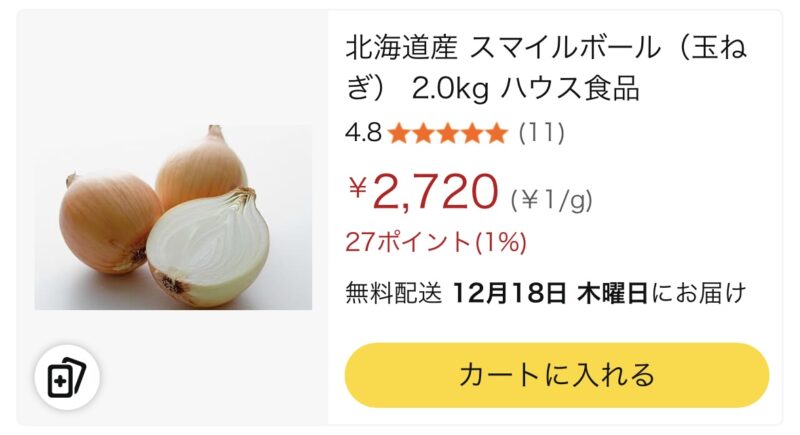
お値段は高めだけど、レビューは良さそうですね
2014年は、バナナの皮は滑りやすい、という誰もが
知っているけれど、誰も真面目に計測しなかった現象を
科学的に解明した研究についてです
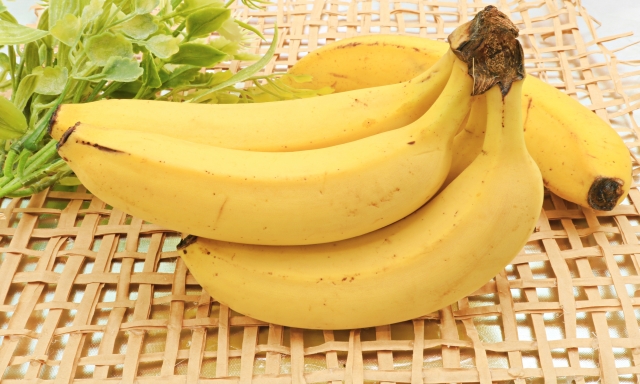
実際、バナナの皮を踏んだ時の摩擦係数を調べると
平均して0.66という極めて小さい値であることが判明しました
身近な条件で比較してみましょう〜♪
靴で普通の乾いた床を歩く→摩擦係数0.40→通常の状態
水で濡れた木材やタイル→摩擦係数0.20→おっと危ない!と感じるレベル
脂をひいた金属→摩擦係数0.15→かなりツルツル
そしてここに、摩擦係数0,066のバナナ!劇的にすべる!
氷の上→摩擦係数0.05→ご存じスケートができる世界
氷に匹敵する滑りやすさなので、路上にバナナがある
ということは、そこだけスケートリンクが出現している
ようなものなのですよ!
なぜこんなに滑るのか?というと、バナナの内側には
たくさんの小さなカプセルがあって、踏まれた瞬間に
それが潰れてヌルヌルした液体が一気に飛び出すからです
バナナの皮で滑る、というギャグが世界共通で成立するのは
それが科学的にも最強クラスの滑りやすさだったからなんですね
そして最後は、日本人が今年で19年連続で受賞したことも話題となった
牛をシマウマにしてみた研究です
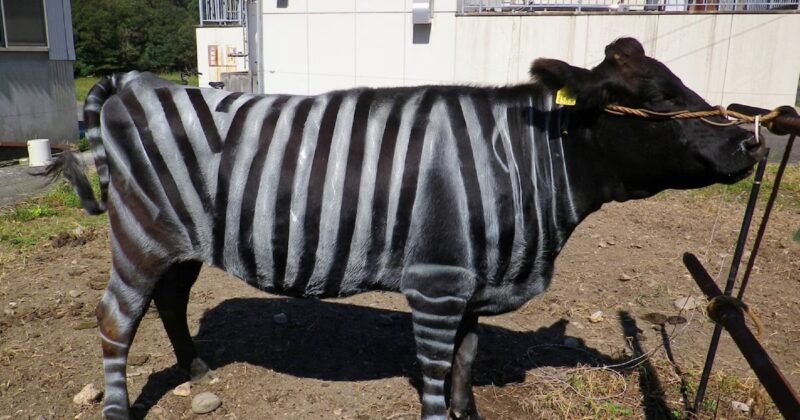
模様なしの牛と、シマウマ模様を書いたシマウシを比較すると
シマウシには体に止まる吸血アブの数が約半分に減少しました
牛のストレスも軽減し、生産性は上がり、殺虫剤を使わないため
環境にも優しい、画期的なアイディアです!
授賞式でも、スピーチ中にハエの模型が邪魔をするのですが
シマシマ柄のシャツに着替えると、ハエは去っていくという
一幕があり、会場は爆笑に包まれたのでした
世界的に真面目なイメージがありそうな日本人ですが
イグノーベル賞に関しては毎年受賞の常連さんです
いい意味でくだらなそうなことにも、大真面目に
取り組んでいる研究者の皆さんに、個人的にとても
じわじわきてしまいます…♪
Last week, the Nobel Prize award ceremony took place.
But on this blog, we’ll deliberately turn our attention to the Ig Nobel Prize instead.
This time, I’d like to look back at some of the Ig Nobel Prize winners that caught my interest, from 2013 up to this year.
In 2013, the prize was awarded for research that literally explained why we cry when we cut onions.
The fact that cutting onions makes us cry has been known for thousands of years.
So you might be wondering, “Why study it now?”
The reason is that there was a long-held scientific assumption behind it.
Until then, it was believed that a single enzyme was responsible for both the flavor of onions and, as a side effect, the substance that makes us cry.
In other words, people thought that delicious onions and tears were a package deal —
something you just had to accept.
However, what this research revealed was that there is actually another enzyme involved.
After the first enzyme creates the onion’s flavor, a second enzyme deliberately produces the substance that makes us cry.
By stopping the action of this second enzyme, scientists were able to create an onion that still has a full, rich taste — but doesn’t make you cry when you cut it.
And that’s how the onion called “Smile Ball” was born.
Yes, you can even buy it on Amazon.
It’s a bit pricey, but the reviews seem to be quite good.
Moving on to 2014, the prize was awarded to a study that scientifically explained something everyone knows —
that banana peels are slippery —
but that no one had ever seriously measured before.
In fact, when researchers measured the coefficient of friction of a banana peel, they found that it was extremely low — 0.066 on average.
Let’s compare this with some familiar situations ♪
Walking on a normal, dry floor while wearing shoes
→ coefficient of friction: 0.40
→ a completely normal condition
Wet wood or tiles
→ coefficient of friction: 0.20
→ “Uh-oh, this is slippery!” level
Oiled metal
→ coefficient of friction: 0.15
→ very slippery
And then comes the banana peel:
→ coefficient of friction: 0.066
→ dramatically slippery!
Ice
→ coefficient of friction: 0.05
→ as you know, the world where you can skate
Since banana peels are almost as slippery as ice, finding one on the street is basically like a skating rink suddenly appearing right there.
So why are they that slippery?
Inside a banana peel are many tiny capsules. When you step on it, these capsules burst, releasing a slippery liquid all at once.
That’s why the classic “slipping on a banana peel” gag works all over the world —
scientifically speaking, banana peels are among the most slippery things you can step on.
And finally, we come to a study that also made headlines:
a Japanese research team winning the Ig Nobel Prize for the 19th consecutive year, with a study that tried turning cows into zebras.
When researchers compared plain cows with “zebra cows” painted with black-and-white stripes, they found that the number of blood-sucking flies landing on the striped cows was reduced by about half.
This also helped reduce stress in the cows, improved productivity, and was environmentally friendly, since it required no insecticides — a truly innovative idea.
At the award ceremony, there was even a funny moment during the acceptance speech: a model fly kept getting in the way, but when the speaker changed into a striped shirt, the fly disappeared. The audience burst into laughter.
Japanese people may be seen as very serious worldwide, but when it comes to the Ig Nobel Prize, they are regular winners year after year.
Personally, I find it deeply charming to see researchers tackling seemingly silly ideas with complete seriousness…♪