The English translation is below
2026年6月8日朝、フィリピン南部でM7.8の地震がありました
建物は崩壊し、高さ1.4メートルの津波も観測され
死者も出ているようで胸が痛みます
昨年のカムチャッカ半島の地震から1年もたっていないんですね
ここから2025年の記事です
2025年7月30日、カムチャッカ半島近くで大きな地震があり
その影響で日本にも小さな津波(およそ1メートル)が到達しました
マグニチュード8.7ってかなりの規模ですけど、ニュースで見ても
その地域に人的被害はなかったみたいで、本当に良かったですね
東日本で海の近くの私たちの地域では、津波警報が発表され
電車は運休し、小中学校は避難所になりました
結果から見れば、大袈裟な対処だったかもしれませんが
2011年の東日本大震災の教訓が生きています
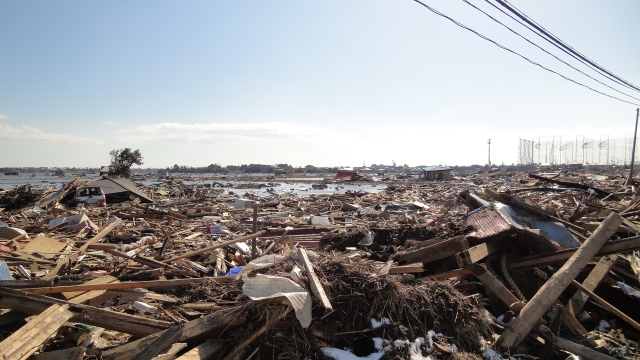
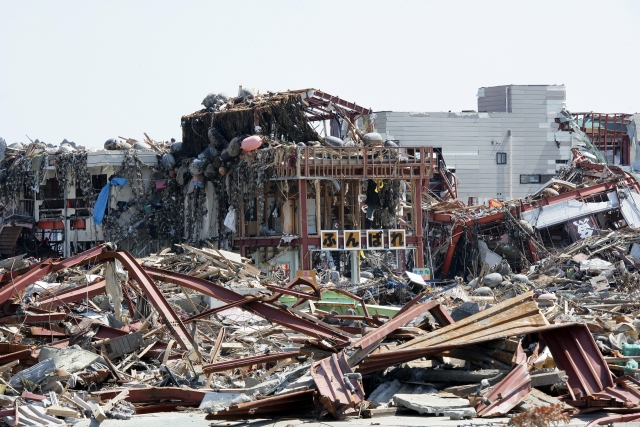
あの災害で2万人近くの人が亡くなりましたが
ほとんどが津波による溺死です
地震直後から津波の第一波到達まで、場所によって
15〜50分ありました
すぐに避難していれば助かる命がたくさんあったんです
でも10メートルもの津波が来るなんて思わなかったから
みんな逃げ遅れてしまったんです
もしあなたの国で津波の危険があった時は
反射的、くらいに逃げてください!
逃げたけど何もなかった〜〜
よかったじゃないですか!
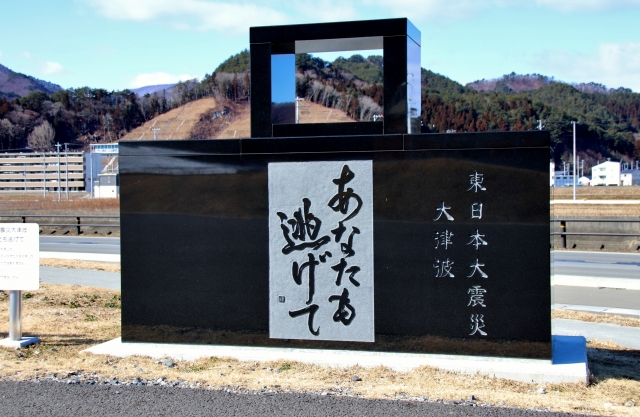
特に被害の大きかった岩手県にある
釜石市の津波記憶石に、こう刻まれています
〝100回逃げて、100回来なくても、101回目も必ず逃げて“
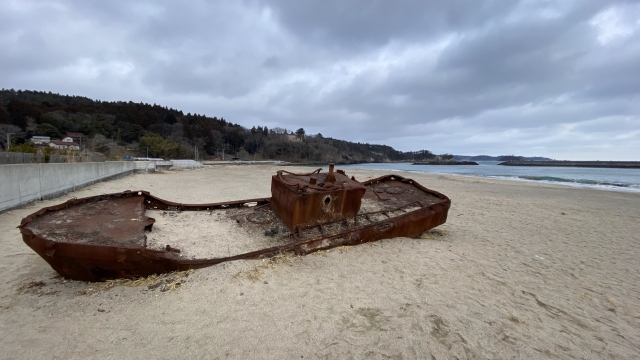
今日(6月8日)またしても海の近くの私たちの町では、朝から津波注意報が
発表され、決して海に近づかないよう、繰り返し放送していました
1.4メートルの津波といってもどれだけの威力があるか想像できますか?
防災上では、津波の高さが1メートルを超えると、計算上の死亡率は
100%と想定されています。
津波は防げません。私たちにできるのは、地震が起きたら
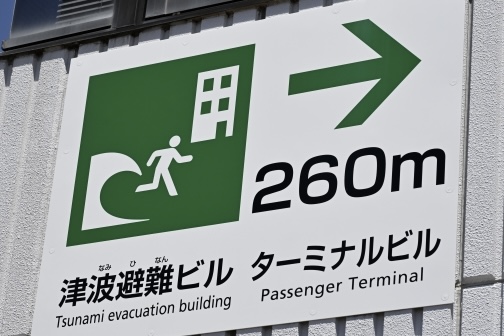
とっとと高台へ逃げることだけです
何度でも言いますからね!
On the morning of June 8, 2026, a magnitude 7.8 earthquake struck southern Philippines.
Buildings collapsed, and a tsunami measuring up to 1.4 meters was observed. Sadly, there have also been reports of fatalities, which is heartbreaking.
It’s hard to believe that it hasn’t even been a year since the major earthquake off the Kamchatka Peninsula last year.
The article below was originally written in 2025.
The other day, there was a large earthquake near the Kamchatka Peninsula, and it caused a small tsunami in Japan—at most about 1 meter. With a magnitude of 8.7, it was quite powerful, but from what I saw in the news, there were no casualties in that region, which is really a relief.
In our area near the coast in eastern Japan, a tsunami warning was issued, trains were suspended, and elementary and junior high schools were turned into evacuation centers. In hindsight, the response might have seemed a bit overcautious, but it shows that the lessons from the 2011 Great East Japan Earthquake are still being applied.
Nearly 20,000 people lost their lives in that disaster, most of them drowning due to the tsunami. Depending on the location, it took between 15 and 50 minutes for the first wave to arrive after the earthquake. Many lives could have been saved if people had evacuated immediately, but no one expected a tsunami as high as 10 meters, so many were caught too late.
If there’s ever a risk of a tsunami in your country, run without thinking—just react! And if you evacuate and nothing happens? Great, that’s a relief!
On a tsunami memorial stone in Kamaishi City, Iwate Prefecture, which was particularly hard hit, the following words are inscribed:
“Even if you evacuate 100 times and nothing happens, always evacuate the 101st time.”
Today (June 8), yet again, a tsunami advisory was issued from early morning in our coastal town. Repeated announcements urged people to stay away from the sea at all costs.
Can you imagine the force of a 1.4-meter tsunami?
In disaster preparedness planning, when a tsunami exceeds one meter in height, the theoretical fatality rate is considered to be 100% for people caught in its flow.
Tsunamis cannot be stopped. The only thing we can do is head for higher ground as quickly as possible after an earthquake.
And I’ll say it as many times as it takes!