
The English translation is below
みなさま 明けまして おめでとうございます!
今年もどうぞよろしくお願いします♪
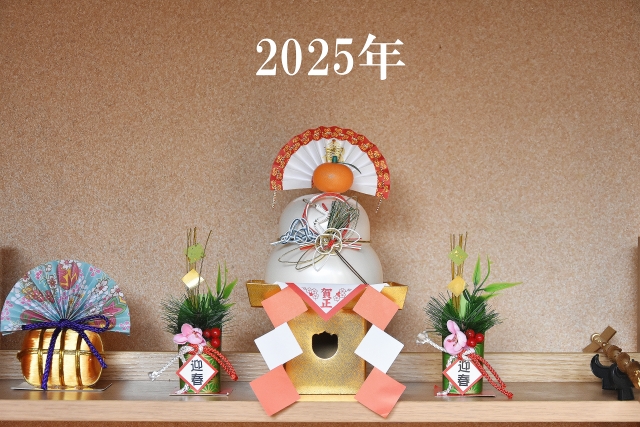
今年は十二支でいうと巳年(ヘビ年)です
十二支とは、中国で生まれた年を数える方法で
12種類の動物を漢字にあてはめたものです
ご近所である日本にも入ってきたのでしょうね
しっかり取り入れて、すっかりなじんでいます
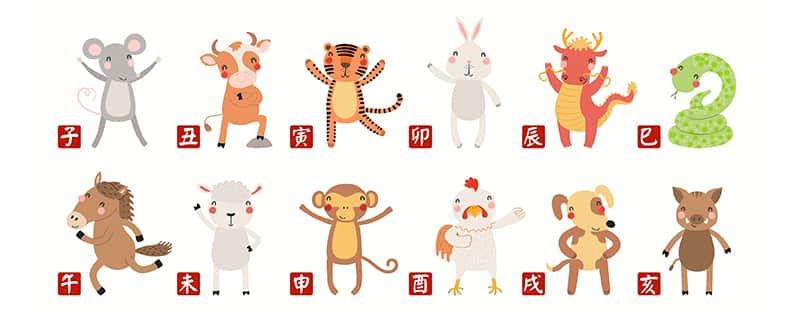
言い伝えによると、神様主催のレースで、先着12番以内にゴールすれば
12年ごとに1年間主役になれるという名誉を勝ち取った
選ばれし12種類の動物たちです
漢字が日本版と違いますが、読み方も左上から順番に
ね うし とら う たつ み うま ひつじ さる とり いぬ い
というふうに、リズミカルに、ラップっぽく覚えるのがコツだY o!
というわけで今年の年賀状はヘビが主役
年賀状とは、お正月バージョンのハガキです
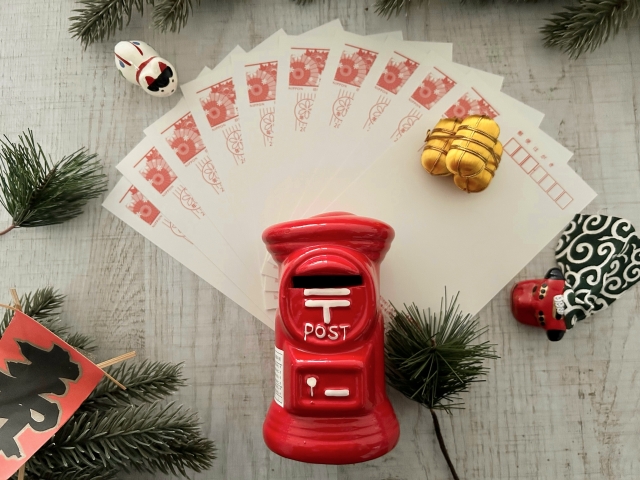
年賀状は、平安時代(794〜1185年)に始まったとされています
日本では昔から、新年を迎えると目上の人のところに出向いて
新年のあいさつまわりをする習慣がありました
しかし遠くにいる人にはその代わりに、新年のあいさつを文にして
送ったのが始まりだそうです
そして明治時代(1868〜1912年)に郵便制度が発足し
ハガキが発売されました
年賀状は特別扱いで、前の年の12月25日くらいまでに出せば
元旦(1月1日)に届けられるようになりました
朝、郵便屋さんのバイクの音がすると
我先にポストに取りに行ってましたね〜 かつては。。。
昭和24年(1949年)にお年玉付き年賀ハガキが発売され
ちょっとした宝くじ気分も味わえるようになりました
お年玉とはお正月に子供が、親や祖父母、親戚からもらえるお金ですが。。。
今思えば、子供の頃の冬休みって、クリスマスがあって、
お正月があって、サイコーだったな!
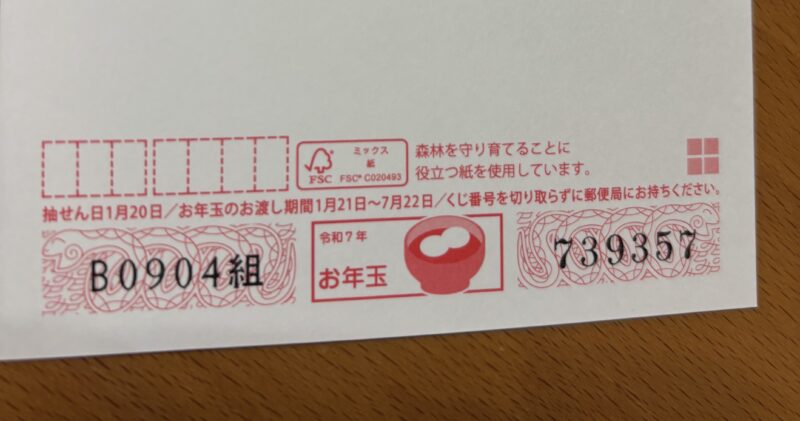
こんな感じハガキの下にくじがついています
1等の賞品は30万相当の現金や電子マネーですが
当たる確率は100万本に1本! 期待すらしてないですけど。。
ちなみに今年から年賀状の値段が63円から85円に値上がりし
それにともなって年賀状をやめる、年賀状じまいも加速しました
昨年より34%も減って、元旦の配達は5億枚位だったらしいですね
私もとっくの昔に、ケータイ電話が普及してからは
メールで済ませてしまって、ほとんど出していません
でも伝統を重んじる友人が何人かいるので、年賀状が届いたら
それに返事として年賀状で返しています
メールやSNSの普及で、もはや6割の国民は年賀状を
出すのをやめたそうです
この伝統もまた、終わりの始まりが来たのかな〜
Happy New Year, everyone!
I truly appreciate your continued support this year as well.
This year is the Year of the Snake.
The “Jūnishi,” or the twelve zodiac signs, originated in China as a way to mark the year of one’s birth.
Each year is represented by one of twelve animals written in Chinese characters.
The system later spread to neighboring countries like Japan, where it has been fully adopted and become a familiar part of our culture.
According to legend, the twelve animals were chosen after a race hosted by the gods.
Those who finished within the top twelve earned the honor of becoming the zodiac animals,
each taking the spotlight for one year in a repeating twelve-year cycle.
The characters used in China differ from the Japanese ones,
but in Japan we recite them in order — ne, ushi, tora, u, tatsu, mi, uma, hitsuji, saru, tori, inu, i —
almost like a little rhythm or rap to make them easier to remember.
So this year’s New Year’s card features the Snake as the star.
A nengajō is a special postcard sent to celebrate the New Year in Japan.
Nengajō are said to have originated in the Heian period (794–1185).
In ancient Japan, it was customary to visit one’s superiors or elders in person at the start of the New Year to offer greetings.
For those who lived too far away, people began sending written New Year’s greetings instead — and that is believed to be the beginning of the tradition.
In the Meiji period (1868–1912), Japan established its postal system, and postcards became available to the public.
New Year’s cards were given special treatment: if you sent them by around December 25, they would be delivered on New Year’s Day.
Back in the day, as soon as I heard the mail carrier’s motorbike in the morning, I’d rush to the mailbox to grab the cards before anyone else.
In 1949, Japan introduced New Year’s postcards with lottery prizes,
adding a little thrill — almost like a mini lottery.
“Otoshidama” refers to the money children receive from parents, grandparents, and relatives during the New Year.
Looking back, winter break as a kid was unbeatable: Christmas and New Year’s back-to-back made it the best time of the year.
The postcard has a lottery number printed at the bottom like this.
The first prize is worth around 300,000 yen in cash or e-money,
but the odds are about one in a million — so I don’t exactly hold my breath.
By the way, the price of New Year’s postcards went up this year—from 63 yen to 85 yen—
and that increase has sped up the trend of people giving up nengajō altogether.
It’s said that the number delivered on New Year’s Day dropped by about 34% from last year,
down to around 500 million cards.
As for me, once mobile phones became common, I started sending New Year’s greetings by email instead,
so I hardly send postcards anymore.
Still, I do have a few friends who value tradition,
so when I receive a nengajō from them, I make sure to send one back in return.
With the spread of email and social media, it’s said that about 60% of people in Japan have stopped sending New Year’s cards.
I can’t help wondering if this tradition may be quietly nearing its end.