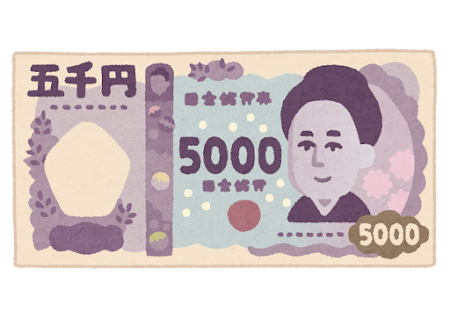
2024年の7月に、全てのお札のデザインがリニューアル
されてから8ヶ月が経ちました
千円と一万円はよく見るようになったのですが
五千円はいまだになかなか巡り会えません
でもここまで引っ張っても現状は変わらなそうなので
ひとまずこのシリーズも完結に向かいたいと思います
というわけで今回のテーマは新五千円札です!
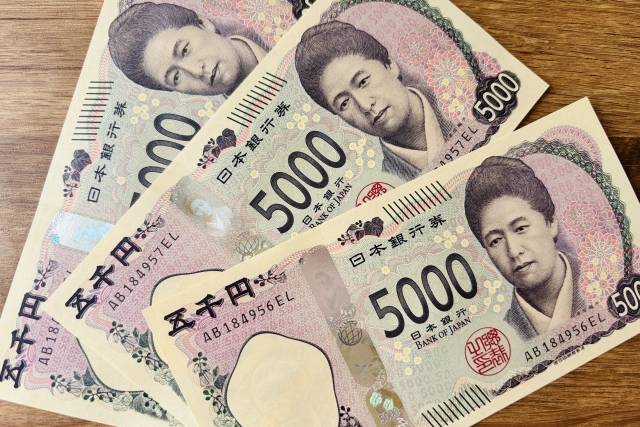
五千円札の顔として選ばれたのは 津田梅子(つだうめこ)
日本の教育界と女性の地位向上に多大な貢献をした人物です
1864年東京江戸生まれ。梅子の家庭は、家柄に厳格な時代ながらも
教育に対する理解が深く、生涯を通じて彼女の教育の意欲を支えてきました
これを知った時、マララ・ユスフザイさんを思い出しましたね〜
やっぱり家庭環境ってすごく大事だな。。。
6歳の時(最年少!)に日本政府の後援を受けて、
他の女学生5人と共にアメリカに留学します。
そこで英語や西洋の学問を学び、日本帰国後に
それを活用して女性の教育に貢献したのです
1990年に「女子英学塾」(現在の津田塾大学)を創設
女子高等教育が一般的でなかった時代に、女性が高度な教育を受ける
場所を提供しようとする梅子の試みは非常に画期的でした!
当時の女子教育の目的は、結婚して良い妻となるためのものであり
外で女性が働けるような職などロクにありませんでしたから…
女性の社会進出を後押しし、多くの女性が学問を通じて
自己実現を果たすきっかけとなりました
梅子にも何度か縁談があったそうですが、
「二度と結婚の話はしないでください。もう、うんざり」
と手紙に書くほど嫌だったらしいですね
女性の高等教育に専念し、生涯独身を貫きました
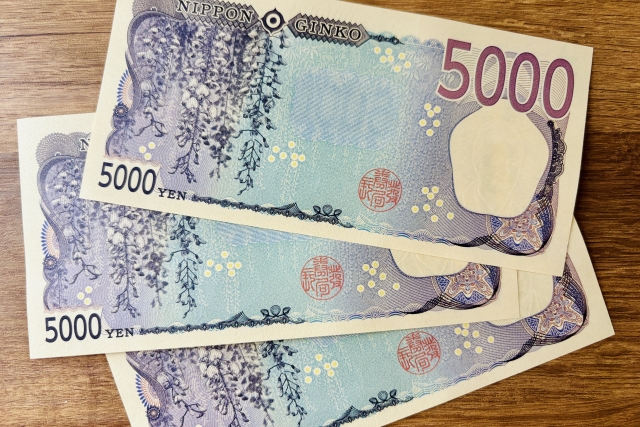
裏は藤の花です
梅子が最初の留学から帰国したのは10年以上経ってからですが
その時日本語を忘れていたそうです!日記も英語で書いていたし
梅子にとっての母国語、第一言語は英語だったらしいです
みなさんと同じように、梅子にとっても、
大人になってから日本語を学んだようなものなんですね。
だから、流暢な日本語は話せなかったみたいですよ!
なのでたとえ思うように上達しなくても、落ち込まないでくださいね
その後もまた留学したり、日本と海外を行ったり来たり
していて、当時17歳だったヘレン・ケラーと会談したり
当時80歳だったナイチンゲールとも面会しています
梅子は生涯大切にしていた2つの宝物があり、
1つはヘレン・ケラーからもらった手紙で
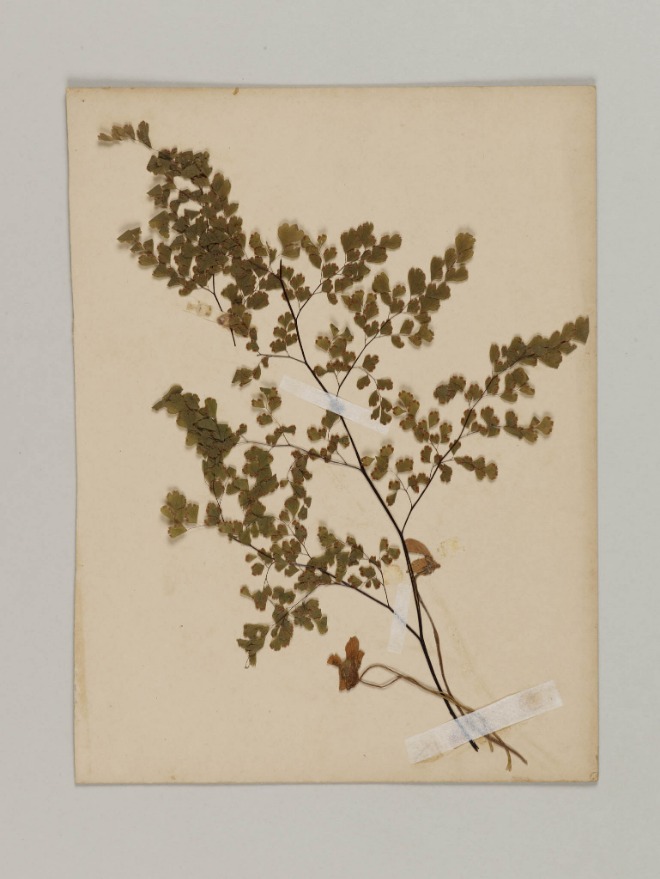
もう1つは、ナイチンゲールからもらったスミレの花束を
押し花にしたものだそうです
こんなふうに海外の人たちと交流できるって
素晴らしいことですね
外国語できるって、やっぱりいいなぁ
私も英語、スペイン語、もっと上達しないと♪
It’s been eight months since all of Japan’s banknotes were redesigned in July 2024.
I’ve been seeing the new ¥1,000 and ¥10,000 notes pretty often, but the new ¥5,000 note still hasn’t come my way. At this rate, it probably won’t anytime soon, so I think it’s finally time to wrap up this series.
And with that, today’s theme is the new ¥5,000 banknote!
The face of the new ¥5,000 note is Umeko Tsuda,
a pioneering educator who made major contributions to women’s education and the advancement of women’s status in Japan.
Born in Edo (present-day Tokyo) in 1864, Umeko grew up in a household that, despite the strict expectations of the time, had a deep appreciation for education. That supportive environment nurtured her passion for learning throughout her life.
When I learned this, it reminded me of Malala Yousafzai — it really shows how crucial one’s family environment can be.
At the age of six — the youngest in the group — she was sent to the United States to study with five other female students under a program sponsored by the Japanese government. There, she learned English and Western academics, and after returning to Japan, she used that knowledge to advance women’s education.
In 1900, she founded the Women’s English School, which later became Tsuda University.
At a time when higher education for women was far from common, Umeko’s determination to create a place where women could study at an advanced level was truly groundbreaking. Back then, girls’ education was mainly meant to prepare them for marriage and to become “good wives,” and there were hardly any jobs where women were allowed to work outside the home.
Her efforts opened the door for women to enter society, giving countless women the chance to pursue their own aspirations through education.
Umeko herself received several marriage proposals over the years, but she disliked the idea so much that she once wrote in a letter, “Please don’t bring up marriage ever again. I’m absolutely fed up with it.”
She devoted her life to women’s higher education and remained unmarried throughout her life.
The back of the banknote features wisteria blossoms.
When Umeko returned to Japan more than ten years after her first stay in the United States, she had actually forgotten Japanese. She even kept her diary in English, so for her, English had essentially become her first language.
Just like many of you, Umeko essentially had to learn Japanese all over again as an adult. That’s why she was never completely fluent in it.
So even if your progress feels slow, please don’t be discouraged.
She continued to study abroad and traveled back and forth between Japan and other countries. During that time, she even met Helen Keller, who was 17 at the time, and Florence Nightingale, who was 80.
Umeko had two treasures that she cherished throughout her life. One was a letter she received from Helen Keller, and the other was a bouquet of violets given to her by Florence Nightingale, which she pressed and preserved.
It’s amazing to think that she was able to interact with people from other countries like that.
Being able to speak foreign languages really is wonderful. I definitely need to improve my English and Spanish even more!