The English translation is below
先日21日は『回文の日』でした。12月21日で1221と
回文のようになっているからだそうです
ま、この日自体はほとんど知られてないと思いますけどね
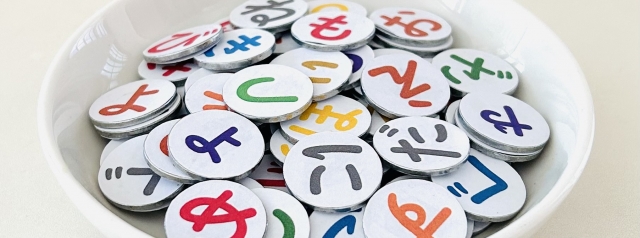
『回文』とは、前から読んでも、後ろから読んでも
まったく同じ音になる単語や文章です
トマト しんぶんし(新聞紙)うたうたう(歌うたう)。。。
英語ではpalindrome というそうで、Go dog! とか
Borrow or rob? などが有名らしいですね というか
日常でも使えそうです
日本では小学校2年生(7〜8歳頃)に国語で回文の授業があります
言葉遊びのような時間でしょうけど、それを機会にちょっとハマったり
して、誰もが子供の頃の記憶として残っています
なので今日はどうせなら日常でも使える回文をご紹介!
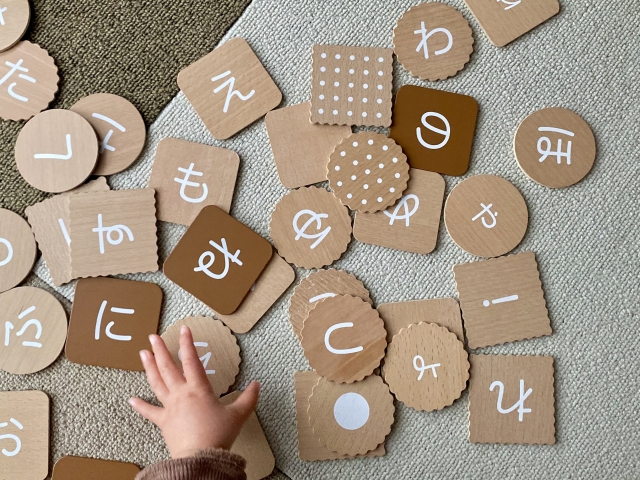
回文は文字数が多いほど難易度が上がります
⑤〜⑨文字 ※ついしいつ?→追試いつ?
追試とは、試験を受けられなかったり、不合格になった人に対して
後から特別に行う試験 英語だとmake-up examですか?
学生時代のほろ苦い思い出。。。
※よくきくよ→良く効くよ
誰かに薬か何かをオススメするときに使えます
※たしかにかした→確かに貸した
人間関係がこじれそうな予感
※るすになにする?→留守に何する? 。。映画でも観る?
※なつまでまつな→夏まで待つな
※かつらがらっか→カツラが落下
※ねんまつつまんね→年末つまんね〜
さっそく使えそうです。本来は つまらない ですが
話し言葉では当たり前に耳にします
すごい→すげー やばい→やべー うるさい→うるせー
上品とはいえないですが、男性であれば普通ですね
※よいしらせらしいよ→良い知らせらしいよ
大どんでん返しがないといいですが
※よるすきやきするよ→夜、すき焼きするよ!
かつてはすき焼きというと、ごちそうのイメージがあったのですが
今はそれほどでもないような
⑩字以上 ※きんえんだんだんえんき→禁煙だんだん延期
区切りよく来年から‼︎
※よのなかねかおかおかねかなのよ
→世の中ね、顔かお金かなのよ。。。
。。。とすっかり気分を下げたところで本日はここまでです♪
The other day, on the 21st, it was “Palindrome Day.”
The date December 21st can be written as 1221, which looks like a palindrome.
Well, I doubt many people actually know this day exists, though.
A “palindrome” is a word or sentence that reads exactly the same forward and backward.
In English, they’re called “palindromes,” and examples like “Go dog!” or “Borrow or rob?” are pretty well-known.
They’re the kind of phrases you could almost use in everyday conversation.
In Japan, children learn about palindromes in second grade, when they’re around seven or eight years old.
It’s basically a kind of word-play activity, but many kids get hooked on it,
so it usually becomes one of those small memories everyone carries from childhood.
So today, I’d like to introduce some palindromes you can actually use in everyday life!
The longer a palindrome is, the harder it becomes to make one.
Here are some examples with five to nine characters:
※ ついしいつ? → “When’s the make-up exam?”
“追試(ついし)” is a special exam given later to students who couldn’t take the original test or who didn’t pass it.
make-up exam is the right English term, yes!
Ah… the bittersweet memories of student days.
※ よくきくよ → “It works really well.”
You can use this when recommending medicine or anything that “works.”
※ たしかにかした → “I definitely lent it to you.”
A phrase that feels like trouble is coming in a relationship…
※ るすになにする? → “What’ll you do while I’m out?”
…Maybe watch a movie?
※ なつまでまつな → “Don’t wait until summer.”
※ かつらがらっか → “The wig fell off.”
※ ねんまつつまんね → “Year-end is sooo boring.”
You can use this right away.
The formal form is つまらない, but this casual shortening is something you hear all the time in spoken Japanese.
すごい → すげー / やばい → やべー / うるさい → うるせー
Not exactly elegant, but very common—especially among men.
※ よいしらせらしいよ → “Sounds like good news.”
Let’s hope there’s no sudden plot twist at the end.
※ よるすきやきするよ → “We’re having sukiyaki tonight!”
It used to be considered a special-occasion dish, but nowadays it doesn’t feel that fancy anymore.
10 characters or more”
※ きんえんだんだんえんき → “My plan to quit smoking keeps getting postponed.”
Guess I’ll just start fresh next year!
※ よのなかねかおかおかねかなのよ → “In this world, it’s either looks or money… isn’t it?”
→ And with that thoroughly depressing thought, let’s call it a day.