The English translation is below
ノーベル平和賞の授賞式で、被爆者の立場から核兵器の根絶を訴えてきた
日本原爆水爆被害者団体協議会(略して日本被団協)の代表委員の
田中てるみさん(92)が演説を行いました
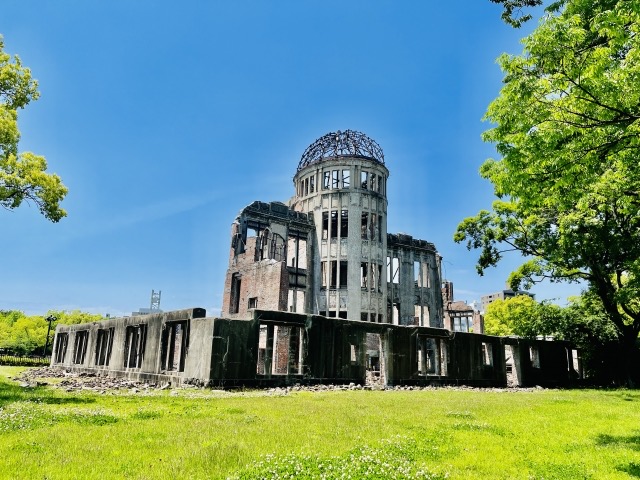
広島原爆ドーム
私も日本人の一人として、このメッセージをできるだけ多くの人に
届けられたらと思い、今日のテーマに選びました
とはいえ原文は漢字だらけの長くて硬い文章でもあるので
世界に向けて一番言いたかったことにフォーカスしてお伝えしたいと思います
田中さんは13歳の時に長崎で被爆しました。奇跡的に無傷で助かりましたが
5人の親族を亡くしています
ここからスピーチを抜粋&要約します。。。
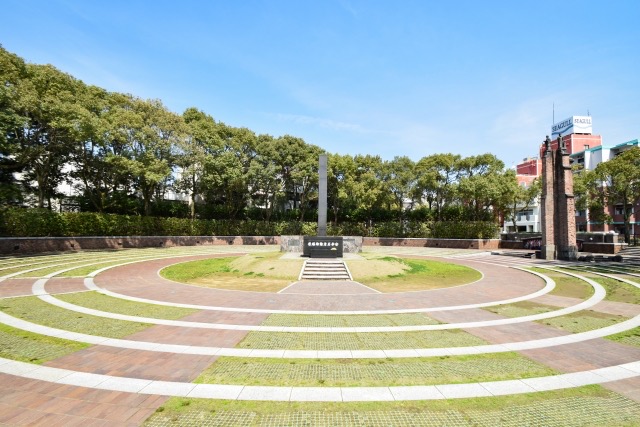
長崎爆心地
私は爆心地から東に3キロ余り離れた自宅で被爆しました
1945年8月9日 爆撃機1機の爆音が突然聞こえるとまもなく
真っ白な光で体が包まれました
目と耳をふさいでふせた直後に強烈な衝撃波が通り抜けていきました
その後の記憶はありません
長崎原爆の惨状をつぶさに見たのは3日後、爆心地帯に住んでいた
親戚の安否をたずねて訪れた時です
。。。。この部分は惨状シーンの描写なのでカット。。。。
その時目にした人々の死にざまは、人間の死とはとてもいえないありさまでした
誰からの手当も受けることなく苦しんでいる人々が何十人、何百人といました
たとえ戦争といえどもこんな殺し方、こんな傷付け方をしては
いけないと、強く感じました
長崎原爆は上空600メートルで爆発。
放出したエネルギーの50%は衝撃波として家屋を押しつぶし
35%は熱線として野外の人々に大やけどを負わせ、倒壊した家屋の
いたるところで発火しました。多くの人が家屋に押しつぶされ
焼き殺されました
残りの15%は放射線として人体を貫き、内部から破壊し、死にいたらせ
また原爆症の原因をつくりました
その年の末までの広島、長崎2つの死亡者の数は
広島14万人前後、長崎7万人前後とされています
怪我を負い、放射線にひばくし、生存していた人は40万人
あまりと推定されます
生き残ったひばく者たちは、その後7年間、占領軍に
沈黙を強いられ、さらに日本政府からも見放され、
ひばく後の10年余りを孤独と、病苦と生活苦、
偏見と差別に耐え続けました
1954年3月1日のビキニ環礁でのアメリカの水爆実験によって
日本の漁船が『死の灰』にひばくする事件が起きました
この事件を機に原水爆反対運動が盛り上がり
1956年8月10日 日本原水爆被害者団体協議会が結成されました
私たちの体験を通して人類の危機を救おう、私たちが体験した
悲惨な苦しみを二度と、世界中の誰にも味わわせてはならない
との思いを強くしました
2017年7月7日に122カ国の賛同をえて
『核兵器禁止条約』が制定されたのは大きな喜びです
核兵器の保有と使用を前提とする核抑止論ではなく
核兵器は1発たりとも持ってはいけないというのが
原爆被害者の心からの願いです
想像してみてください。直ちに発射できる核爆弾が4千発も
あるということを。みなさんがいつ被害者になっても
おかしくないし、加害者になるかもしれない
ですから、核兵器をなくしていくためにどうしたらいいか、
世界中のみなさんで共に話し合い、求めていただきたい
と思うのです
原爆被害者の現在の平均年齢は85歳
10年先には直接の体験者としての証言ができるのは
数人になるかもしれません
これからは私たちがやってきた運動を、次の世代のみなさんが
工夫して築いていくことを期待しています
とりわけ核兵器国とそれらの同盟国の市民の中にしっかりと
核兵器と人類は共存できない、共存させてはならない
という信念が根付き、自国の政府の核政策を変えさせる力に
なるよう願っています
人類が核兵器で自滅することのないように!
核兵器も戦争もない世界の人間社会を求めて
共に頑張りましょう!!
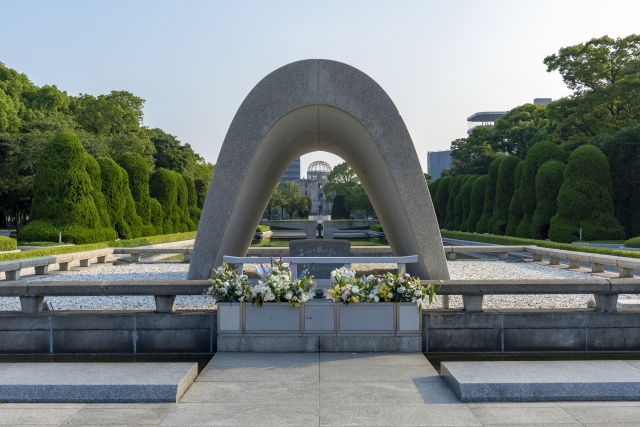
広島平和都市記念碑
最後まで読んでくださってありがとうございます
ここの碑文にある、この誓いの言葉に尽きると思います
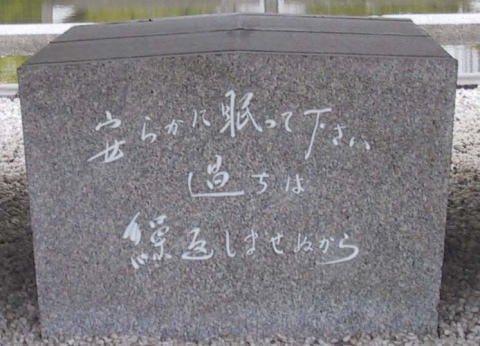
安らかに眠って下さい 過ちは繰り返しませぬから
主語がないところが日本語らしいんですけど、英訳は
Let all the souls here rest in peace
For we shall not repeat the evil
ここでのweは、全世界の人々です 『過ち』とは、人類全体が犯した
戦争や核兵器使用を指しています
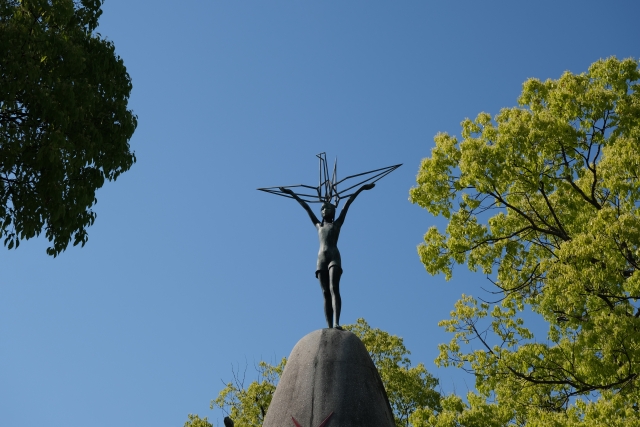
原爆の子・像
2026年版
今日8月6日は広島への原爆投下の日です
田中さんの渾身のスピーチから1年半余りが経ちました
あれから世界は田中さんや、私たちの願う方向に近づくことができたのでしょうか
…残念ながらYESとは言えないでしょう。田中さんも、自分たちが受賞した背景には
「核兵器が使われるかもしれない」という世界の危機感があることを理解していました
だからこそ、ノーベル賞はゴールではなく、「残された時間で伝え続ける」
という新たなスタートだったのです
田中さんは現在94歳ですが、日本被団協の代表委員として
記念講演や取材対応など精力的に活動を続けています
自身が語り部となるだけでなく、被爆二世、三世を活動の前面に立ってもらい
「被爆者の記憶や思いをどう引き継いでいくか」の継承活動にも力を注いでいます
そして世界情勢が厳しい今だからこそ
あのスピーチを思い出す必要があるのだと思います
田中さんもスピーチで「核兵器は一発たりとも持ってはいけない」
と言っていました。
世界が「いっせ〜のせ!」で核兵器を手放せたらいいのにな
子供でも分かる、「みんなで一緒にやめようよ」って考えが
一番シンプルで理想なのにな…
At the Nobel Peace Prize award ceremony, Ms. Terumi Tanaka (92), a representative committee member of the Japan Confederation of A- and H-Bomb Sufferers Organizations — known as “Nihon Hidankyo” — delivered a speech calling for the total abolition of nuclear weapons from the standpoint of a hibakusha.
As a Japanese citizen myself, I chose this theme today because I want this message to reach as many people as possible.
Although the original text is long, formal, and filled with complex kanji, I’d like to focus on the core message—what she most wanted to convey to the world.
Mr. Tanaka was thirteen when he experienced the atomic bombing in Nagasaki.
Although he miraculously survived without injury, he lost five members of his family.
From here, I will share an excerpt and a summary of his speech.
I was exposed to the bombing at my home, a little over three kilometers east of the hypocenter.
On August 9, 1945, I suddenly heard the sound of a single bomber overhead, and moments later my entire body was engulfed in a blinding white flash.
Right after I covered my eyes and ears and threw myself to the ground, a powerful blast wave swept through.
I remember nothing after that.
Three days later, I witnessed the devastation of the Nagasaki bombing for the first time when I went to check on relatives who lived near the hypocenter.
…(Here, the detailed description of the scene is omitted.)
What I saw then—the way people had died—was something that could hardly be called a human death.
There were tens, even hundreds of people suffering without receiving help from anyone.
Even in war, I felt with all my being that no one should ever be killed or injured in such a way.
The Nagasaki bomb exploded 600 meters above ground.
About 50% of the energy released became a blast that crushed houses;
35% turned into searing heat that burned people outdoors and ignited fires throughout collapsed homes.
Countless people were trapped under their houses and burned to death.
The remaining 15% was radiation, which pierced the human body, destroyed it from within, caused death,
and later led to what became known as radiation-induced illnesses.
By the end of that year, the estimated death toll reached about 140,000 in Hiroshima
and about 70,000 in Nagasaki.
It is believed that more than 400,000 people survived while suffering injuries
and exposure to radiation.
The survivors of the atomic bombing were forced into silence for seven years under the Allied occupation.
On top of that, they were abandoned by the Japanese government, and for more than a decade after the bombing they endured isolation, illness, poverty, prejudice, and discrimination.
On March 1, 1954, a Japanese fishing vessel was exposed to “deadly fallout” from a U.S. hydrogen bomb test at Bikini Atoll.
The incident sparked a nationwide movement against nuclear and hydrogen weapons, and on August 10, 1956, the Japan Confederation of A- and H-Bomb Sufferers Organizations was founded.
Through our own experiences, we came to feel even more strongly that we must help protect humanity from this crisis—and that the horrific suffering we endured must never be inflicted on anyone, anywhere in the world, ever again.
It was a great joy for us when, on July 7, 2017, 122 countries adopted the Treaty on the Prohibition of Nuclear Weapons.
What we wish for—more deeply than anything—is not a theory of nuclear deterrence that assumes the possession and use of these weapons, but a world in which not a single nuclear weapon exists.
Imagine it: there are four thousand nuclear warheads ready to be launched at any moment.
Any one of you could become a victim—and you could also become a perpetrator.
This is why I urge people around the world to come together, to discuss, and to demand progress toward the elimination of nuclear weapons.
The average age of atomic-bomb survivors is now 85.
In another ten years, only a handful of us may still be able to give testimony from direct experience.
From here on, I hope that the next generation will carry forward our movement, building on it in their own ways.
Above all, I hope that citizens in nuclear-armed states and their allies will firmly take to heart the conviction that nuclear weapons and humanity cannot coexist—and must never be allowed to coexist.
I wish for that conviction to grow strong enough to change their own governments’ nuclear policies
Let us ensure that humanity never destroys itself with nuclear weapons.
Let us work together for a world without nuclear weapons, without war, and for a truly human society.
Thank you for reading to the end.
I believe everything comes down to the words of this pledge engraved on the monument.
安らかに眠って下さい 過ちは繰り返しませぬから
In Japanese, the original phrase is characteristic in that it has no explicit subject.
But in English it becomes:
“Let all the souls here rest in peace, for we shall not repeat the evil.”
Here, we refers to all people of the world.
And “the evil” points to the wrongdoing committed by humanity as a whole—
war itself and the use of nuclear weapons
2026 Update
Today, August 6, marks the anniversary of the atomic bombing of Hiroshima. It has been more than a year and a half since Terumi Tanaka delivered his heartfelt Nobel Peace Prize acceptance speech.
Has the world moved any closer to the future that Mr. Tanaka—and all of us who long for peace—had hoped for?
Sadly, the answer is no.
Mr. Tanaka understood that Nihon Hidankyo received the Nobel Peace Prize because the world has once again become concerned that nuclear weapons could actually be used. That is why the Nobel Prize was not the finish line, but the beginning of a new mission: to keep sharing their message for as long as time allows.
Now 94 years old, Mr. Tanaka continues to work tirelessly as a representative of Nihon Hidankyo, giving commemorative lectures, speaking to the media, and taking part in many public events. In addition to sharing his own experiences as a survivor, he has also been encouraging second- and third-generation descendants of atomic bomb survivors to take a leading role, helping pass on the memories and hopes of the hibakusha to future generations.
Perhaps that is exactly why we need to remember his speech today, when the world feels as unstable as ever.
In his speech, Mr. Tanaka said, “Not a single nuclear weapon should ever exist.”
I wish the whole world could simply say, “Ready… go!” and give up every nuclear weapon at the same time.
Even a child can understand the simple idea:
“Let’s all stop together.”
Wouldn’t that be the most straightforward—and the most ideal—solution?