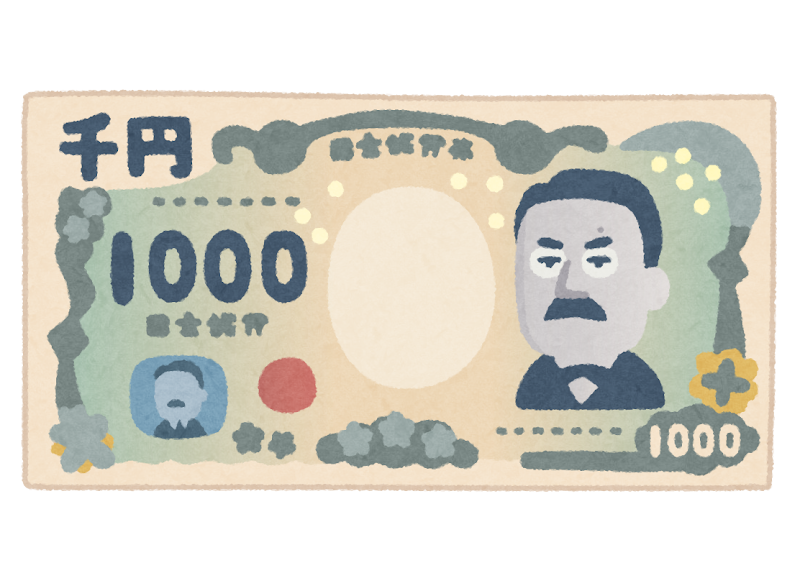
The English translation is below
日本では、2024年7月3日、20年ぶりに新札が発行されました。
でも、ちょこちょこ見かけるようになったのは、ここ最近になってからです。
千円、五千円、一万円の3種類がありますが、ここでは全世代に馴染みのある千円
(今日のレートで約6.5ドル)を取り上げていきますね。
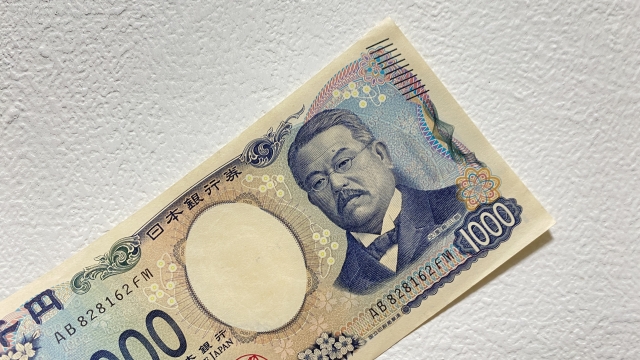
新千円のお顔は、北里柴三郎(きたさと・しばさぶろう)
感染症医学の発展に貢献した人物! 近代医学の父!!。。。だそうです。
というのも、歴史に興味がない人にとっては「誰?このオッサン」
もしくは、名前は聞いたことあるけど「こんな顔なんだ」くらいの認識ですね。
彼は破傷風の研究で世界的成果をあげましたが、今の私たちにとっては
「破傷風ってどんな病気?」と聞いたことはあるけど、実感が
全くない病気です。ワクチンのおかげでかかる人がほとんどいない
病気になり、だからこそ誰のおかげなのか忘れられがちです。
まるでもともとの病気の存在すら忘れられるほど成功した医学
と言えるでしょう。
そしてコレラやペストが流行する現場には自ら赴き
感染症と真正面から向き合った医学者でもありました
1892年、「研究と人材育成の場」として立ち上げた
「伝染病研究所」は形を変えながら受け継がれ
今の北里大学という形で残っています
オッサン、もとい、オジサマとお呼びしなければ
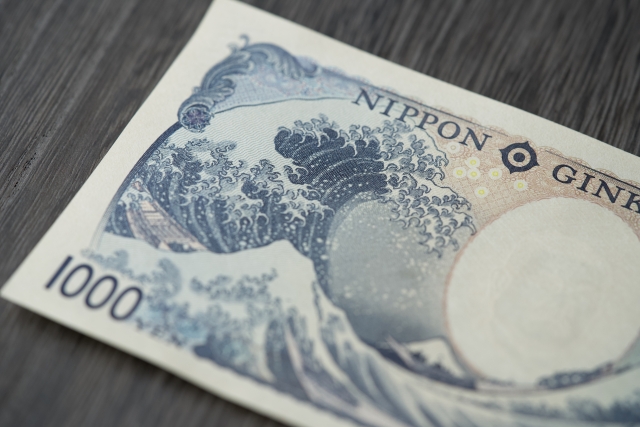
さてさて裏面のデザインはというと
有名な葛飾北斎の富士山が描かれています。
外国人ウケをねらった気がしてなりません。
千円でできる日本での体験として、ヘアーカットはいかがでしょう

ただし制限時間は10分ほど。
ヘアースタイルにこだわれる程の髪がない、中高年男性にオススメです。
ちなみに日本の消費税率は、食品類8%、それ以外は10%なので、
厳密には千百円かかりますよ。
同じ食品でも、レストランなどで食事するときは10%になります。
でもチップは不要ですからね〜🎶
関連記事はコチラ→新札②一万円 新札③五千円
On July 3, 2024, Japan issued a new series of banknotes for the first time in twenty years.
Still, it’s only in the last few months that we’ve begun to see them in circulation here and there.
There are three denominations—1,000 yen, 5,000 yen, and 10,000 yen—but here I’ll focus on the 1,000-yen note, the one that’s familiar to people of all generations. (It’s roughly USD 6.5 at today’s rate.)
The new 1,000-yen note features Shibasaburō Kitasato,
a pioneer of infectious disease research and often referred to as the father of modern medicine in Japan.
That said, for people who aren’t into history, he tends to be more of a
“Who’s this guy?” figure—or maybe, “I’ve heard the name, but so this is what he looked like.”
He achieved world-class results through his research on tetanus.
Yet for most of us today, tetanus is one of those diseases we may have heard of but never really felt close to. Thanks to vaccines, it has become a disease that very few people ever contract. And precisely because of that success, it is easy to forget who made it possible.
In that sense, tetanus could be called a disease so successfully controlled that its very existence has almost faded from memory.
At the same time, Kitasato was not a physician who stayed safely in the laboratory. When cholera and plague were spreading, he went directly to the sites of outbreaks and confronted infectious diseases head-on.
In 1892, he founded the Institute for Infectious Diseases as a place for research and the training of future medical professionals. That institution was passed down through changing forms, and it still exists today as Kitasato University.
Who is this old guy?
…Well, I should probably correct myself and say, this distinguished gentleman.
As for the reverse side, it features a depiction of Mount Fuji by the renowned ukiyo-e artist Katsushika Hokusai.
I can’t help feeling that they were aiming to appeal to visitors from overseas with this design.
And if you’re looking for something you can experience in Japan for just 1,000 yen, how about a haircut?
There’s just one catch: the time limit is about ten minutes.
It’s a great option for middle-aged men who don’t exactly have enough hair to fuss over their hairstyle.
By the way, Japan’s consumption tax rate is 8% for food and 10% for everything else,
so technically the haircut comes to 1,100 yen.
Even for food, the tax becomes 10% if you eat inside a restaurant.
But on the bright side—no tipping! 🎶