The English translation is below
家から歩いていける距離に「泉神社」という、森に囲まれた
伝統的ある神社があります。お正月に食べ過ぎ飲み過ぎた後
ちょっと運動したほうがいいよね。。。
と初詣に行ったりもします
外国人の皆さんは、日本に来て神社を訪れるとき
どんなふうに参拝しているのでしょう?
今日はこの神社を巡りながら、お参りの仕方を学びましょう!
泉神社 一の鳥居
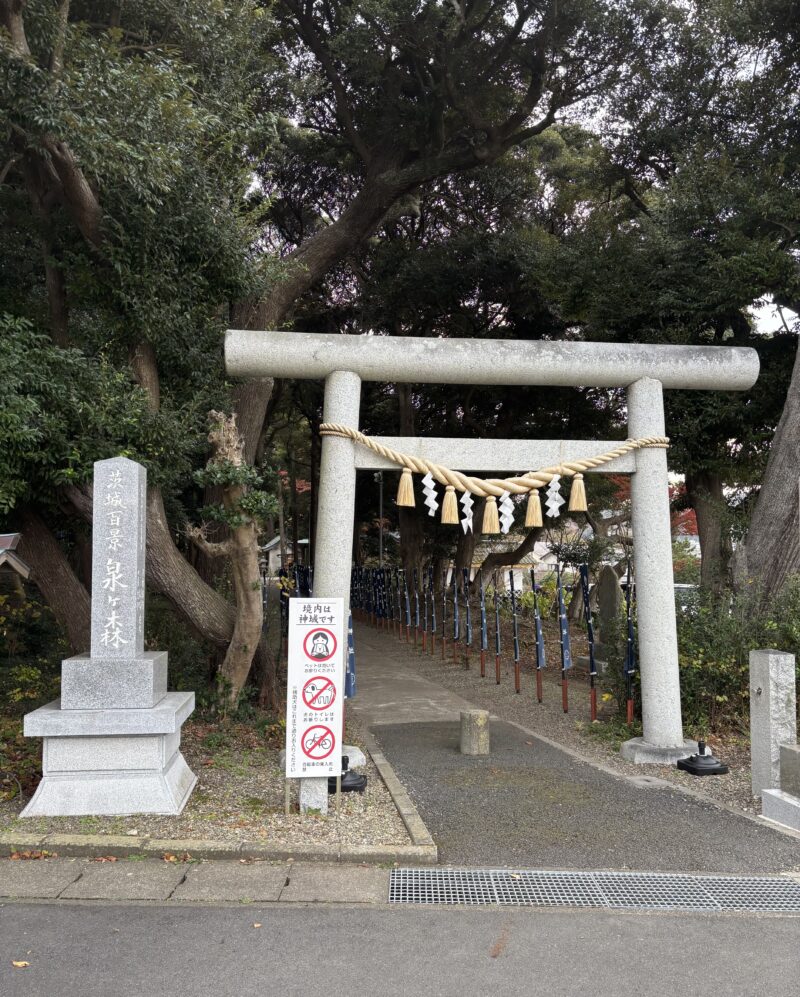
神域(聖なる場所)への最初の入口になります
俗世との境界線を示す1番外側の門です
参道(さんどう)
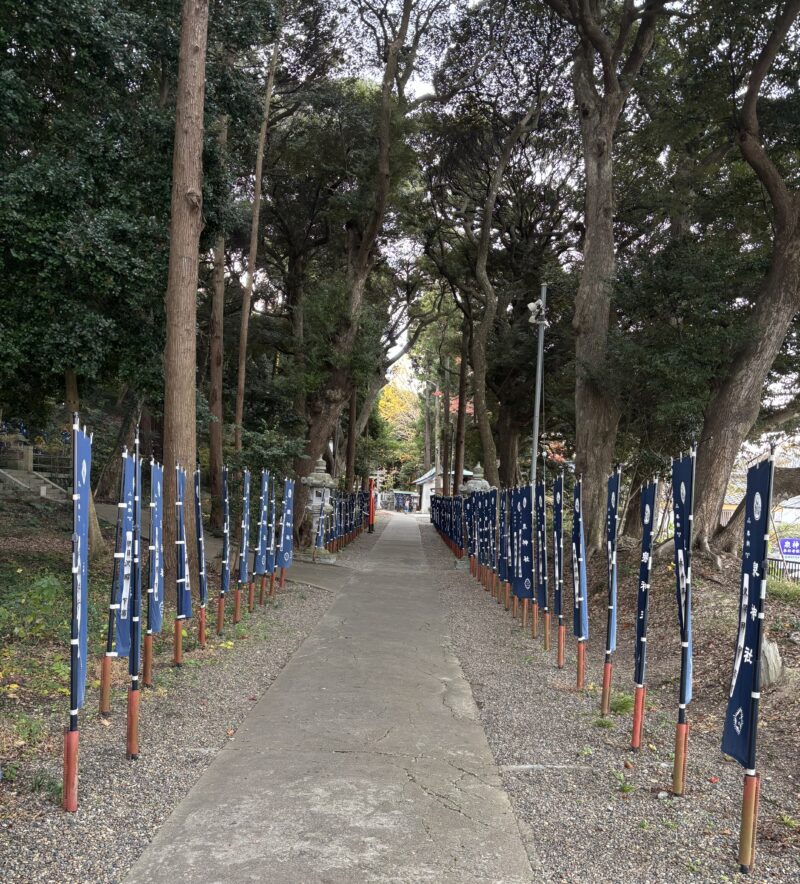
神様へ向かう道。参道の中央は「正中(せいちゅう)」と呼ばれ
神様が通る道とされています。そのため、参拝の際は
中央を避けて、左右どちらかに寄って歩くのが丁寧な作法と
されています!多分日本人でも知らない人が多いと思いますけど
初詣の時はここはずーっと列ができるんですよ
手水舎(ちょうずや•てみずや)
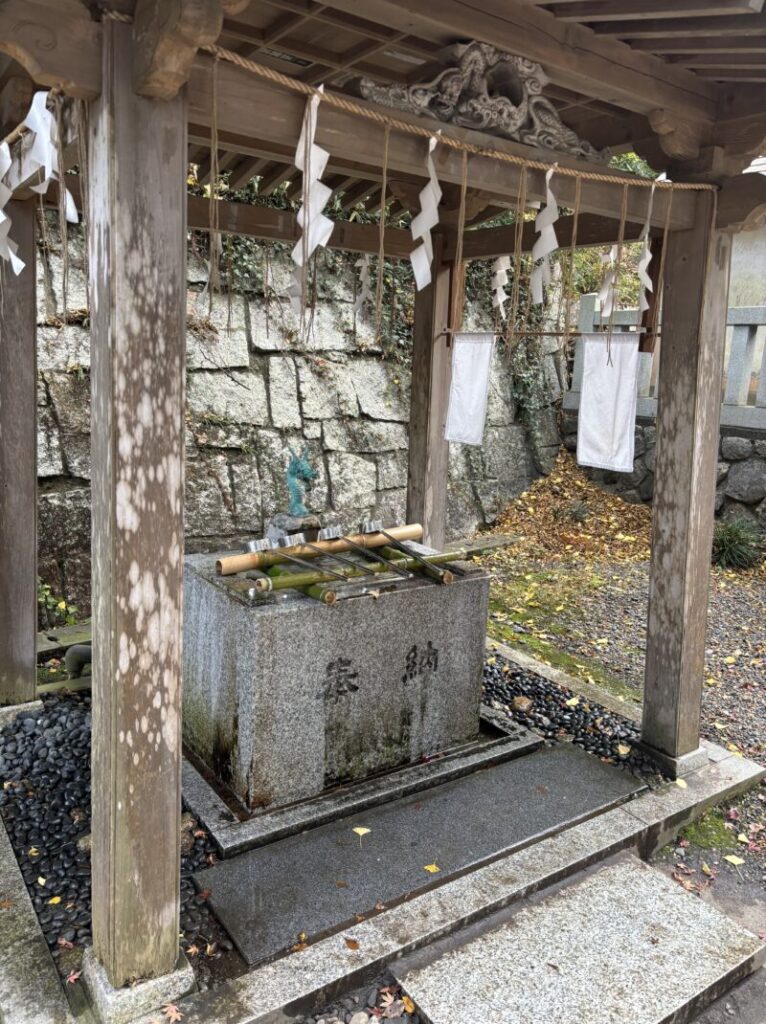
「手水」とは、参拝者が神前に進む前に、手や口を清めて
心身を清めるための作法です
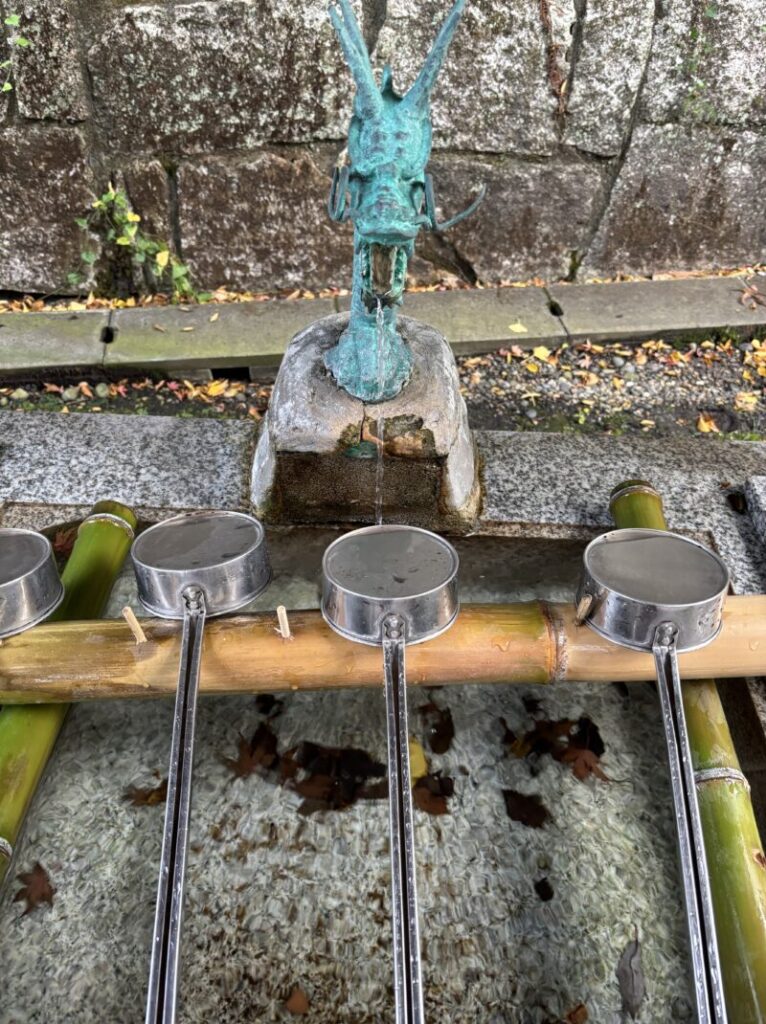
◇手水の作法
ひしゃくに汲んだ、最初の一杯の水で最後まで清め終えるのが
ポイントです。なので多めに、十分に水を入れましょう
①右手にひしゃくを持ち、水を汲んで左手を清めます
②ひしゃくを左手に持ち替え、右手を清めます
③ひしゃくを右手に持ち替え、左手の手のひらに
水を受けて、その水を口に含んで軽くすすぎます
ひしゃくから直接口につけないように厳重注意です!
すすいだ水は周りの石畳などに吐き出します
水盤の中に戻さないように!
④ここでまたひしゃくに水を汲みます
次の人のために、手に持った柄の部分を洗い流すためです
ひしゃくを縦にして、ゆっくりと柄を伝わせて流します
⑤ひしゃくを戻す。伏せることが多いようです
お疲れ様でした〜〜!
手水が済んだら、二の鳥居へ

二つ目の鳥居をくぐることで、さらに神様に近い
より神聖な場所に入ります
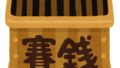
この奥に拝殿がありますが、お賽銭の用意をしましょう!
ここはキャッシュレスとは無縁の場所ですので…
お賽銭の金額に決まりや相場はありません
1番大切なのは神様への感謝の気持ち、や
願いを込める気持ち、ですから。。。
ただし、語呂合わせで縁起の良い金額を選ぶ習慣があって
最も多く使われるのは5円玉や10円玉です
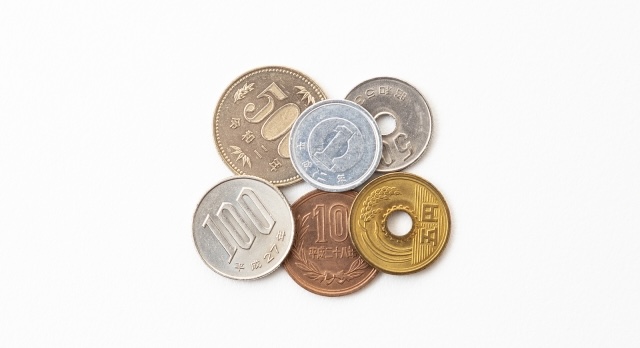
5円→ご縁がありますように
15円→十分ご縁がありますように
45円→始終ご縁がありますように。。。など
こんなに安くていいの?と思うかもしれませんが
それは人それぞれで、語呂合わせを気にせず100円入れる
人もいれば、たまに10000円札入れる人も見かけますよ〜
次回は、拝殿でのお参りの作法からです!
There’s a traditional shrine called Izumi Shrine within walking distance from my house, surrounded by a forest.
After overeating and overdrinking during the New Year holidays, I sometimes go there for hatsumōde—you know, to get a bit of exercise in.
When visitors from overseas come to Japan, how do they usually pay their respects at a shrine?
Today, as we walk through this shrine together, let’s learn the proper way to make an offering and worship at a Shinto shrine!
Izumi Shrine – First Torii Gate
This is the first entrance to the sacred grounds.
It marks the boundary between the everyday world and the holy domain.
The Approach Path (Sandō)
This is the pathway leading to the deity.
The center of the path is called seichū—it’s considered the route the deity uses.
That’s why visitors are expected to walk slightly to the left or right rather than straight down the middle.
I think even many Japanese people don’t know this, but during hatsumōde (New Year’s visits), this whole path ends up packed with a long line of people.
Chōzuya (Purification Pavilion)
Temizu is the purification ritual performed before approaching the main shrine.
Visitors rinse their hands and mouth to cleanse both body and mind before offering their prayers.
How to Perform the Purification Ritual
The key point is to complete the entire purification using the first ladleful of water.
So make sure to scoop plenty of water at the beginning.
⒈ Hold the ladle in your right hand, scoop up some water, and rinse your left hand.
⒉ Switch the ladle to your left hand and rinse your right hand.
⒊ Switch the ladle back to your right hand, pour a little water into your left palm, and use that to lightly rinse your mouth.
Be careful not to touch your mouth directly to the ladle!
Spit the water onto the nearby stones or ground—never back into the basin.
- Scoop up some fresh water again.
This time, it’s to rinse the handle for the next person.
Hold the ladle upright and let the water run gently down the handle. - Place the ladle back where it was, usually face down.
Great job — you’re all done!
After finishing the purification, head toward the second torii gate.
Passing through the second gate means entering an even more sacred area, closer to the deity.
Beyond this point is the worship hall, so get your offering ready.
This is not a place where cashless payments exist… so coins it is!
There’s no set amount or standard for the offering.
What matters most is the feeling behind it — your gratitude and the wishes you want to express.
However, there’s a custom of choosing “lucky” amounts based on wordplay.
The coins most commonly used are 5-yen and 10-yen coins.
5 yen — “Go-en,” wishing for a good connection or relationship
15 yen — “Jūbun go-en,” wishing for more than enough good connections
45 yen — “Shijū go-en,” wishing for good connections all the time
…and so on.
You might wonder, “Is it really okay to offer such a small amount?”
But it totally depends on the person.
Some people ignore the wordplay and offer 100 yen, while others — on rare occasions — even put in a 10,000-yen bill.
Next time, we’ll go over how to worship at the hall!