The English translation is below
日本全国、今現在もあらゆる場所で飛び交っているであろう言葉「すいません」
「すいません」はより丁寧な表現の「すみません」が話し言葉として
変化したもので、様々な状況で使われるとても便利な言葉です
主な使われ方は、大きく分けて4つの意味があります
①謝罪 「遅れてすいません」
②感謝 「はい、コレどうぞ」 「あ、すいません」
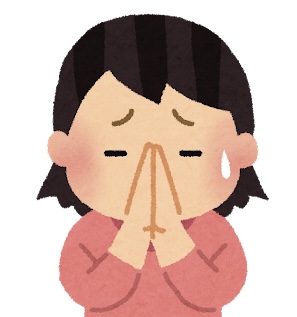
③依頼 「すいません、ちょっといいですか?」
④呼びかけ 店員さんに「すいませ〜ん!」
この言葉には相手の視点、立場の尊重という意識が
強く表れています
①と②は、相手に過去に負わせてしまった負担への理解です
謝罪の場合、もし自分の気持ちにフォーカスするなら
「ごめんなさい」という言葉が出てくるでしょう
それよりも、相手の気持ちにフォーカスし
あなたに負担をかけてしまったことをちゃんと理解していますよ
と伝えるのが「すいません」です
感謝するにしても、自分フォーカスならば「ありがとう」です
やっぱりこれも、相手が自分に労力をさいてくれた負担に対して
理解を示している、ということ表しています
「ごめんなさい」も「ありがとう」もずっと言えなくて、
でもやっと言えた時、スッキリしたり、楽になったりしませんか?
結局この2つの言葉は、相手よりも自分の気持ちの問題
なのでは〜?という気がします

③と④は、相手にこれからかけてしまう負担への配慮です
依頼は、自分の頼み事によって、あなたに手間をかけさせてしまう
申し訳なさに対してです。呼びかけは、あなたの作業を中断させて
しまうこと。2つとも、これからあなたの時間や行動を奪ってしまうことは
分かってはいるのですが。。。という思いやりからです
でも、正直いうと日本人みんなそこまで考えて発言している
訳ではないと思います(笑)とっさに言葉が出るほど
身についちゃってるというか。
その反面、「すいません」がふさわしくない場面もあって
そもそもこの言葉は、親しい間柄で使う言葉ではありません
「ちゃんとあなたのことを考えていますよ」と
他人といい人間関係を保つための円滑油として
大人が使っている言葉だと思います。
無意識の「いい人戦略」のようなものですが(笑)

でもやっぱりこの言葉を自然に言える人は、相手を思いやる
心を持っている人です。自分の困難や負担、不快な気持ちを
分かってくれる人です。
そしてその思いやりを受け止める言葉が
「いえ、いえ」「いえ、いいんですよ」なんです
すいません & いえ、いえ
とてもいい合言葉だと思ってます
このセットの言葉もまた、日本全国津々浦々
今もたくさん飛び交っていることでしょう♪
All across Japan, even right now, there’s probably one word being heard everywhere: “suimasen.”
“Suimasen” is a spoken variation of the more polite expression “sumimasen.”
Over time, it has evolved in everyday conversation and become an incredibly versatile word, used in a wide range of situations.
Broadly speaking, there are four main ways this word is used.
① Apology
“I’m sorry I’m late.”
② Gratitude
“Here you go.”
“Oh, thank you.”
③ Request
“Excuse me, may I ask you something?”
④ Getting someone’s attention
“Excuse me!”
(to call a staff member)
This word shows a strong awareness of the other person’s point of view and a deep respect for their position.
① and ② express an awareness that you may have caused inconvenience or trouble for the other person in the past.
When apologizing, focusing on your own feelings often leads to the word “gomen nasai.”
“Suimasen” places the focus on the other person instead, expressing an understanding that you have caused them trouble or inconvenience.
Even when expressing gratitude, “arigatou” reflects a focus on your own feelings.
“Suimasen” instead expresses an awareness of the effort and inconvenience the other person has taken on for you.
Have you ever found it hard to say “I’m sorry” or “thank you,”
only to feel relieved once you finally said the words?
It makes you wonder whether these expressions are ultimately more about our own emotions than the other person.
③ and ④ express consideration for the inconvenience or burden you may cause the other person from this point on.
When making a request, “suimasen” reflects an awareness that your favor will require the other person’s time and effort.
When calling out to someone, it shows consideration for the fact that you are interrupting their work.
In both cases, it carries the thought: “I know I’m about to take up your time or actions, and I’m aware of that.”
Honestly, most Japanese people probably don’t think this deeply before saying “suimasen.”
It’s a word that comes out instinctively.
That said, there are situations where it doesn’t quite fit, and it’s generally not used among close friends or family.
It functions as a kind of social lubricant, used by adults to keep relationships running smoothly,
while subtly communicating, “I’m being considerate of you.”
In that sense, it might be an unconscious strategy for being a “good person” (smiles).
Even so, those who can say “suimasen” naturally tend to be people with a genuine sense of consideration for others.
They are people who notice and understand another person’s struggles, effort, or unease.
And the words that gently accept that consideration are
“No, no,” or “It’s really okay.”
“Suimasen” and “ie, ie.”
I think they make a wonderful pair of unspoken signals.
Even now, all across Japan, these words are surely being exchanged everywhere,
quietly and countless times each day. ♪