The English translation is below
「裂き織り」とは、古くなった布を細かく裂いて「緯糸(よこいと)」
として再利用し、新しい布に織り上げる日本伝統のリサイクル技法です
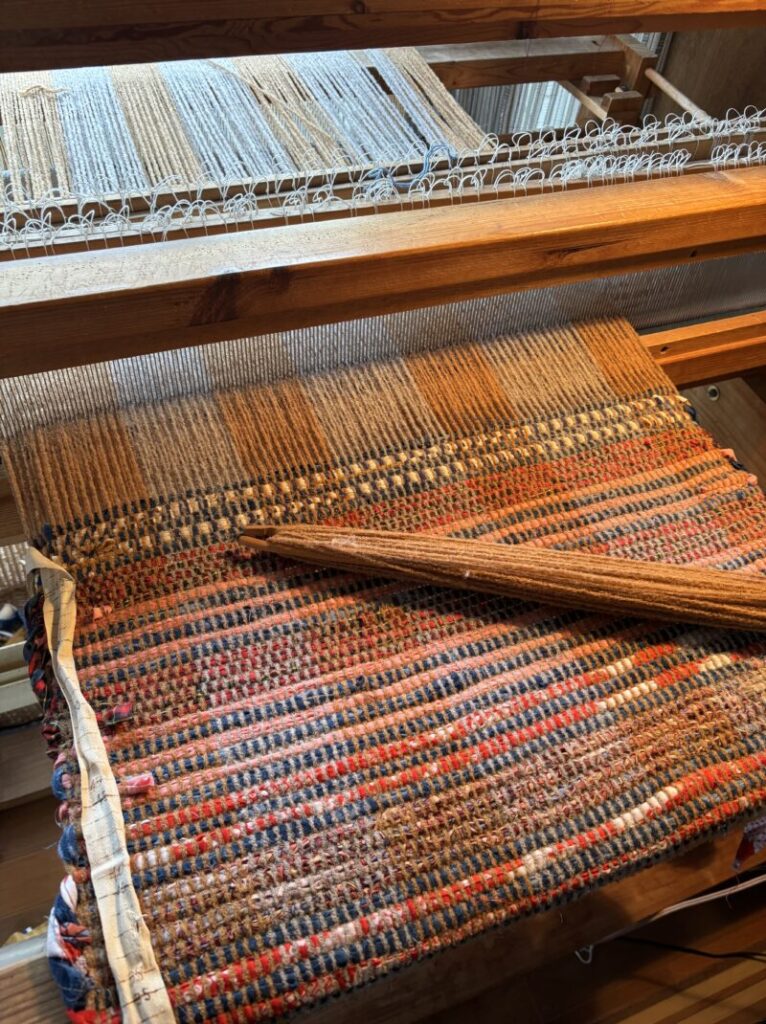
江戸時代、特に東北地方などの寒冷地で発展しました
当時、木綿は非常に貴重な高級品だったので、古くなって
ボロボロになっても決して捨てられません!
細く裂いて織り直すことで、こたつ掛け、仕事着などに
生まれ変わり、布の命を最後まで全うさせたのです
現代では趣味として、一味違うハンドメイド好きの
人達に人気があるようです。同じものは2度と作れない
というのも魅力らしいですね!
私の母も近所にいる先生のところへ何年も習いに(おしゃべりに)
行っていて、家にも機織り機があります
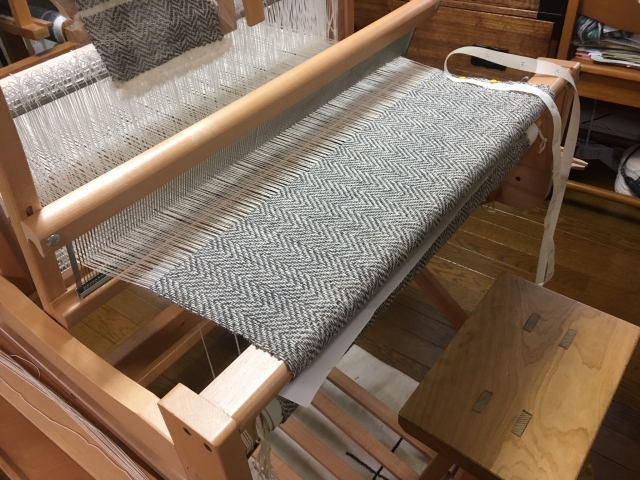
今の日本人でも実際機織りを見る機会は限られているし
「鶴の恩返し」くらいでしか聞いたこともないでしょう
娘の私から見ても母はなかなか素敵な作品を作っていると
思うので、手前味噌でなんですけど、裂き織りってこういう
ものなんだなぁって知っていただければ幸いです
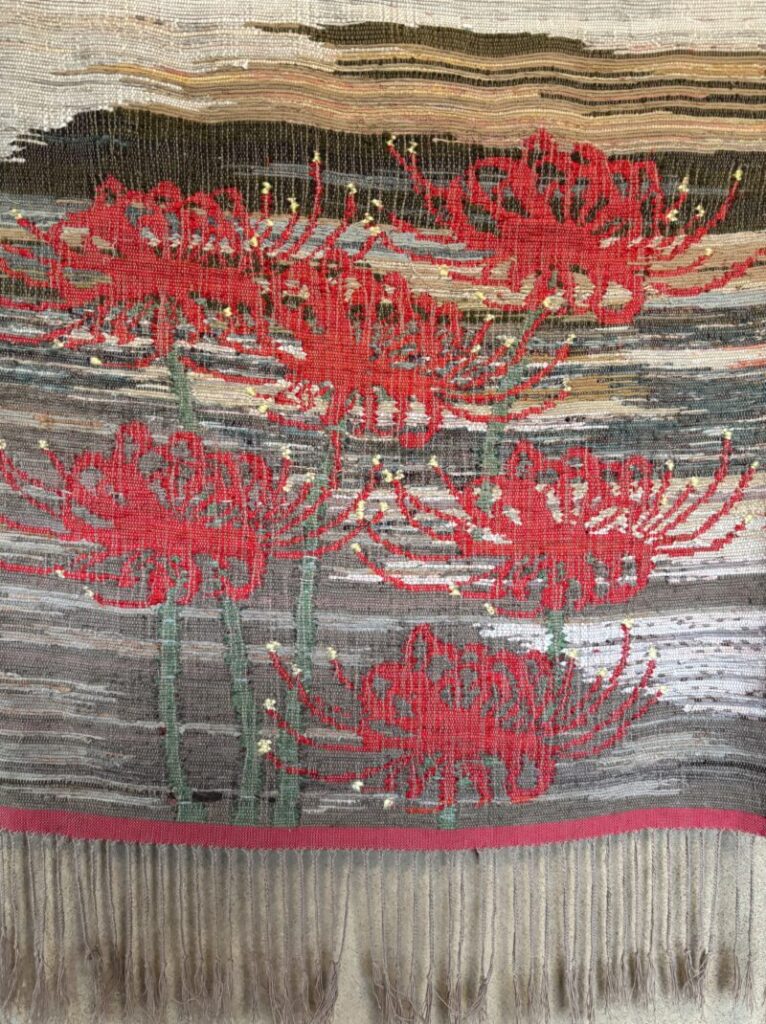
彼岸花のタペストリー
「これを作るのに、どのくらいの時間がかかるの?」と
よく聞かれるのですが、正確に答えるのは難しいです
まず、布を裂く作業からスタートなので…
裂く、と言っても手ではきれいに裂けないので、地道に
ハサミで1センチ幅くらいのヒモになるよう切ってます(汗)
この作品の大きさは縦90センチ、横75センチくらい
なのですが、1時間で織れるのは3〜5センチと言っていました
ただ、織っている時に目の前に見えてるのは出来上がった
時の裏面なんですよ!
だからまず大きな紙に同じサイズの完成図の絵を描き、
色鉛筆で色を塗り、縦糸の下において下描きと同じになるよう
織っていきます。だからちょこちょこ手鏡で表の面を確認
しています。よくやるよな〜と感心して見ていますが
本人は、完全にゾーンに入ってるみたいです♪
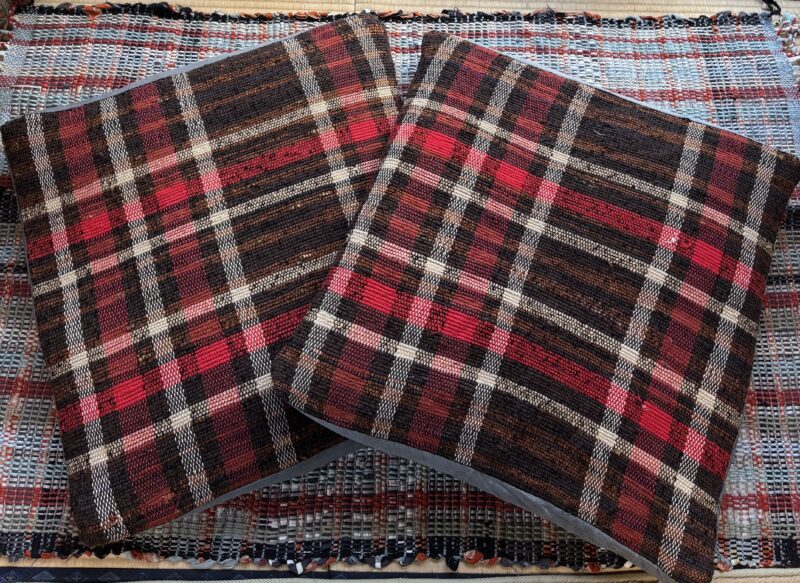
実用的なクッションカバーも
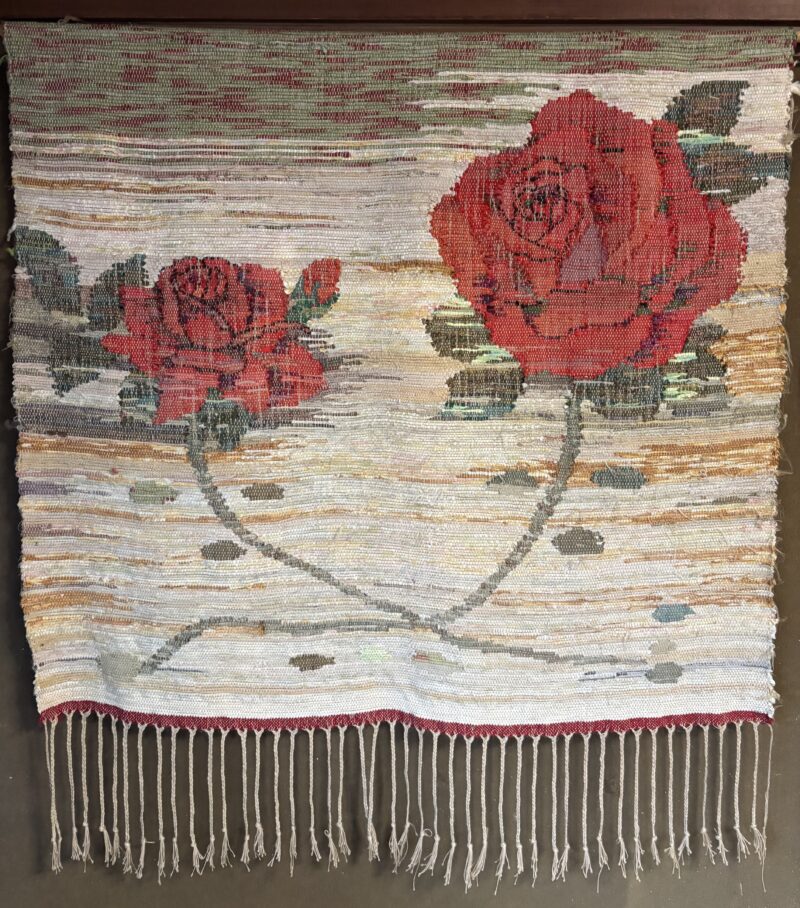
バラのタペストリー
季節によって、毎月飾るタペストリーを変えています
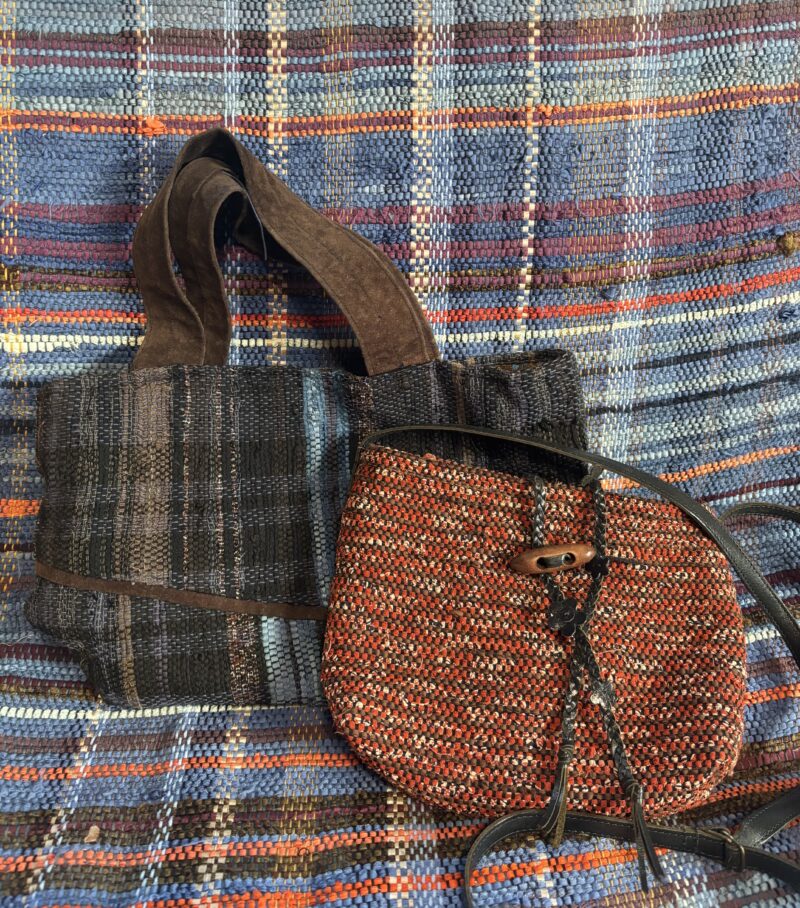
ちょっとしたお出かけ用のバッグ
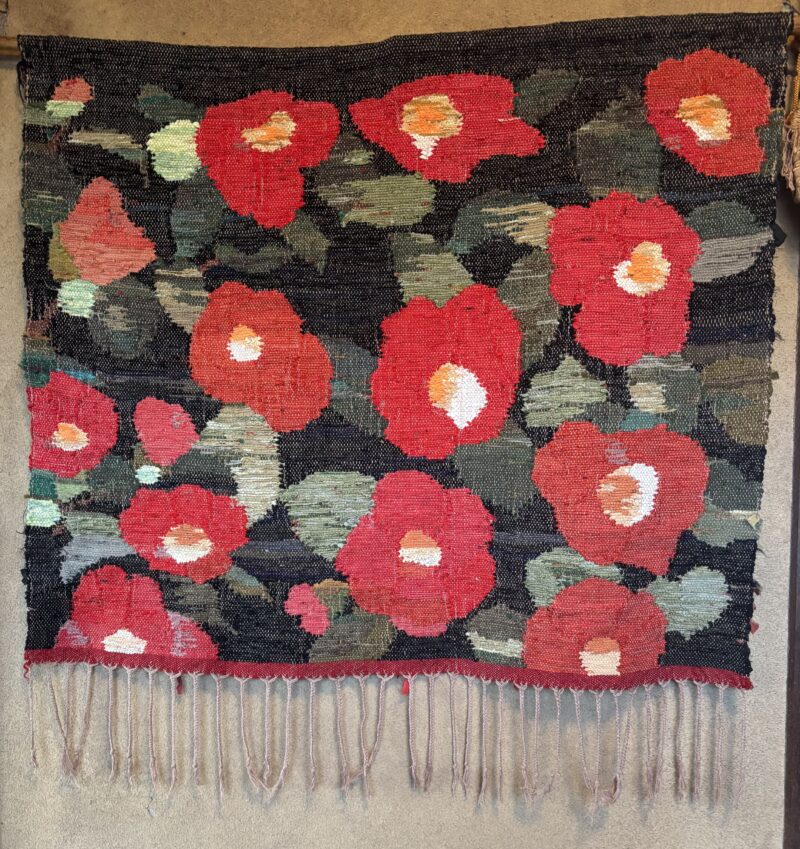
椿のタペストリー
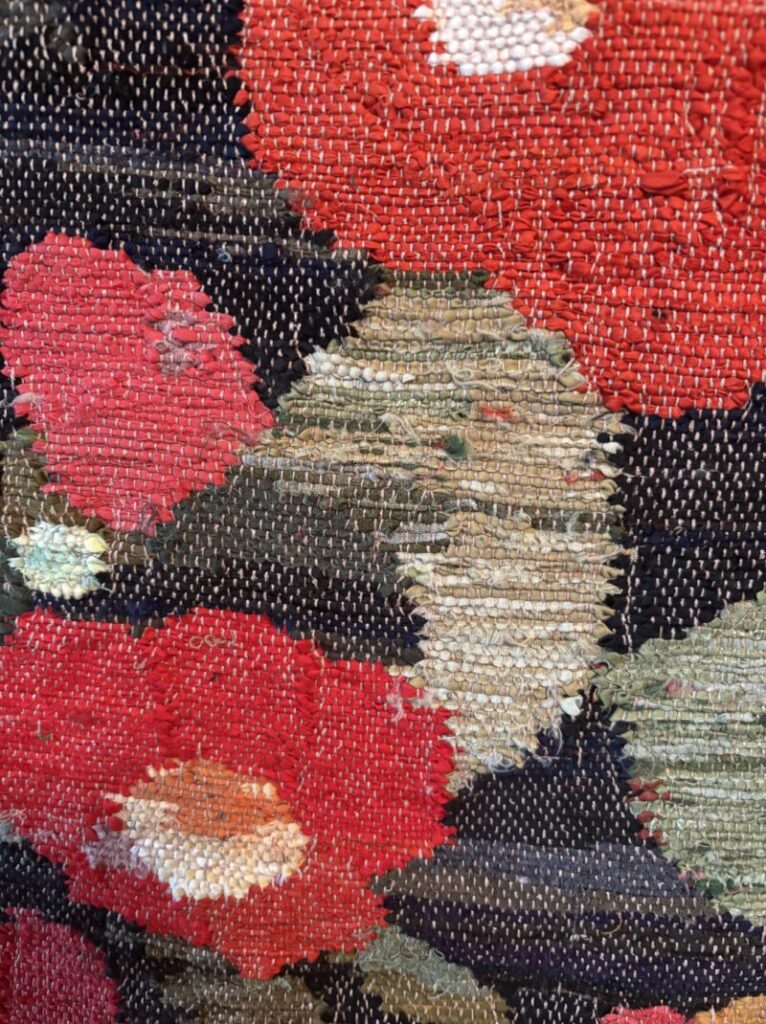
近くで見るとこんな感じです
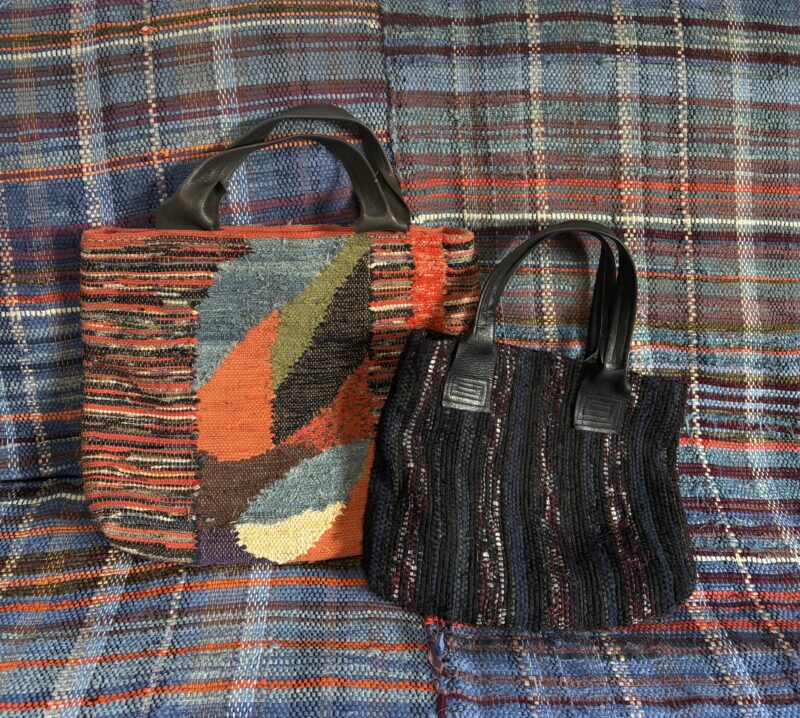
大きめのバッグも
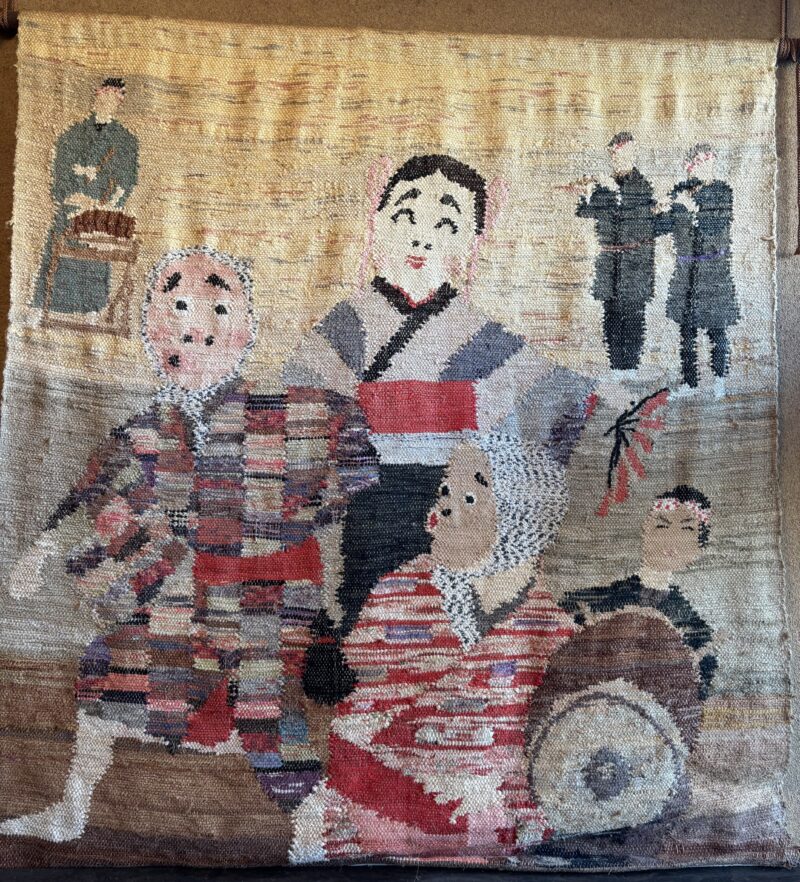
おかめとひょっとこのタペストリー
おかめは「福を招く神様」、ひょっとこは「火を守る神様」
と言われていますが、2人合わせて「家庭円満の神様」とされている
縁起物です。
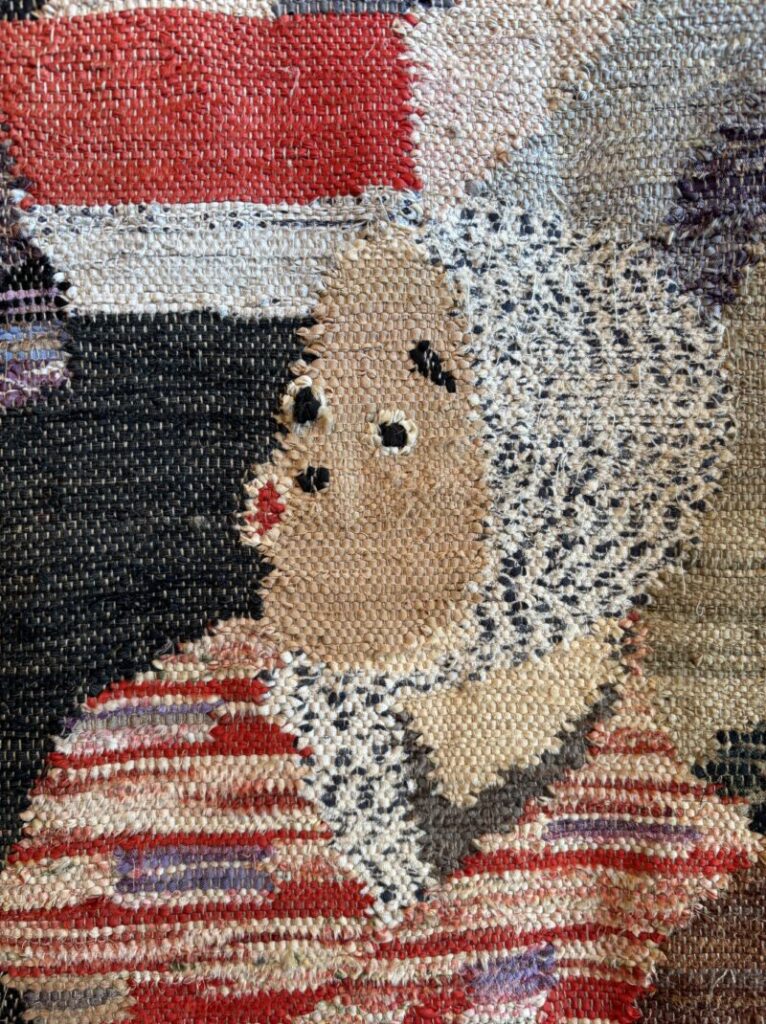
母、頑張った〜‼︎豆絞りの手拭いの柄も再現出来てる〜‼︎
この器用さ、残念なから私は全然似なかったな。。。
これから春、夏バージョンのタペストリーが飾られたら
また皆さんに見てもらおうと思います♪
Sakiori is a traditional Japanese recycling weaving technique in which worn-out fabrics are carefully torn into thin strips and reused as weft threads, then woven into entirely new textiles.
Sakiori developed during the Edo period, especially in colder regions such as northeastern Japan.
At that time, cotton was extremely valuable and considered a luxury, so even when fabrics became old and badly worn, they were never thrown away.
By tearing the cloth into fine strips and weaving it again, the fabric was reborn as items such as kotatsu covers and work clothes, allowing the material to be used until the very end of its life.
Today, sakiori is enjoyed as a hobby by people who love handmade crafts with a unique twist.
One of its greatest appeals is that no two pieces can ever be made the same.
My mother has been going to a local teacher’s place for many years to learn sakiori — and to enjoy chatting together as well.
She even has a loom at home.
Even in modern Japan, opportunities to see an actual weaving loom are quite rare.
For many people, weaving may only be something they have heard of through old folk tales, such as “The Crane’s Return of a Favor.”
From my perspective as her daughter, I truly feel that my mother creates wonderful pieces.
This may sound a bit biased, but I hope that through her work, people can get a sense of what sakiori is really like.
Red Spider Lily Tapestry
I’m often asked, “How long does it take to make something like this?”
To be honest, it’s difficult to give a precise answer.
The process begins with tearing the fabric into strips —
or rather, cutting it. Fabric doesn’t tear neatly by hand, so each piece is carefully cut with scissors into long strips about one centimeter wide… (sweat)
This tapestry is approximately 90 cm tall and 75 cm wide.
According to my mother, she can weave only about 3 to 5 centimeters per hour.
What makes this process especially challenging is that, while weaving, the surface visible in front of her is actually the back side of the finished piece.
To work around this, she first draws the full-size design on a large sheet of paper and colors it with colored pencils.
This drawing is then placed underneath the warp threads, serving as a guide.
She weaves carefully so that the pattern matches the sketch below.
Because of this, she frequently checks the front side of the tapestry using a small hand mirror.
Watching her work, I can’t help but admire her patience — but for her, it seems she’s completely absorbed, fully in the zone.
A practical cushion cover for everyday use
Rose motif tapestry
The tapestry on display is changed monthly to suit the season
Small bags for short outings
Camellia motif tapestry
A closer look at the details
Larger bags as well
Okame and Hyottoko Tapestry
Okame is said to be a deity who brings good fortune, while Hyottoko is believed to protect fire.
Together, they are considered lucky figures symbolizing harmony and happiness in the home.
My mom really did an amazing job — she even managed to recreate the traditional mame-shibori tenugui pattern!
Unfortunately, I didn’t inherit even a bit of this skill… 😅
When the spring and summer versions of the tapestries are on display, I’d love to share them with you all again.