The English translation is below
先日、私の母の姉である伯母さんが88歳の誕生日を迎えました
家も近いし、幼い頃から仲良くしていただけに
ケーキを持って、ささやかながら米寿のお祝いをしに行ってきました
ちなみに同じ〝おばさん〟でも、父母の姉は〝伯母さん〟と書き
妹なら〝叔母さん〟の字を用います。〝おじさん〟なら
〝伯父さん•叔父さん〟になります。豆知識です♪
なんせ日本の平均寿命は世界一!
1955年には 男性64歳 女性68歳 だったのが、70年後
2024年 男性81歳 女性87歳 まで延びています
元気かどうかは別ですが。。。
そこで今回は、日本における長寿のお祝いをこ紹介します!
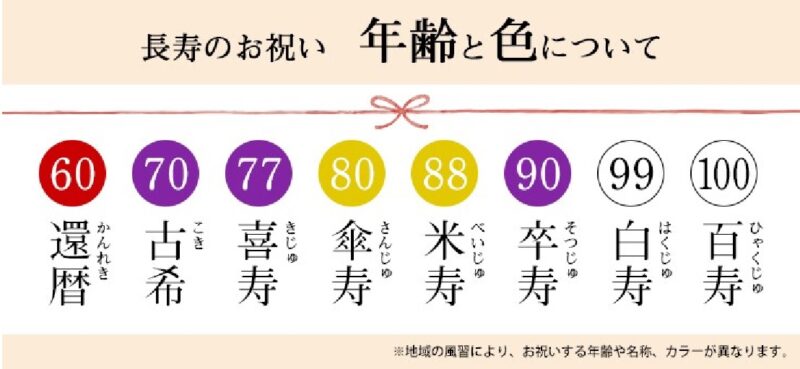
なんとテーマカラーまであります
基本的には10年ごとと、ゾロ目の年なんですね
この長寿祝いは、漢字の意味から名付けられています
還暦 暦が1周することから。中国由来の十二支から来ています
年賀状の記事で詳しく書いているのでよかったらぜひ♪
古希 70歳まで生きることは稀(まれ)なので。
今は基本的には通過点です
喜寿 喜びという字を草書体(漢字をくずしたもの)で七十七
と書くことから。
傘寿 ”傘”の俗字が八と十を重ねた形となり、八十と読めるから。
だんだん無理矢理感が漂ってきます
米寿 ”88”を漢字で書くと八十八となり、”米”の字を分解した形
であることから。
卒寿 ”卒”の俗字である”卆”が九十と読めるから
白寿 ”百”という漢字から”一”を引くと”白”となることから、
”100ー1=99”と読めるため。もう、なぞなぞかーい!
百寿 そのまま。何もないなんて、ツメが甘いと思いませんか。
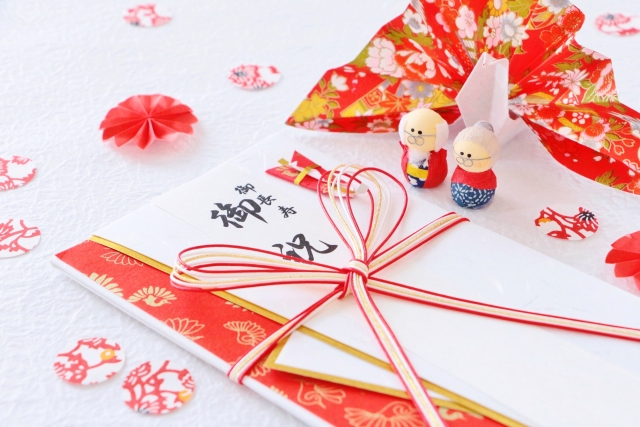
とはいえ、全員が全ての節目をお祝いする訳ではありません
最初の還暦と、米寿を盛大に祝うことが多いようです
元気でピンピンしていれば、古希や喜寿はスルーの可能性大です
米寿以降は、さすがにたどり着く人が少ないですからね。。。
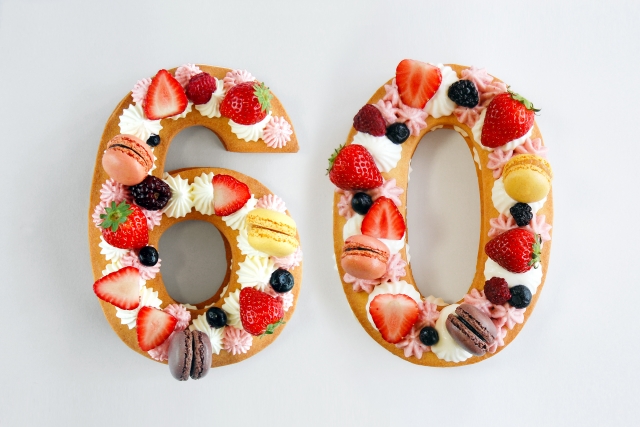
長寿のお祝いは、必ずしも誕生日近くに行なうのではなく
家族が集まるのに都合のよい日を選びます
「生まれた歳の暦に還る」すなわち「赤子に戻る」ととらえて
赤いちゃんちゃんこを着る風習が生まれたと言われています
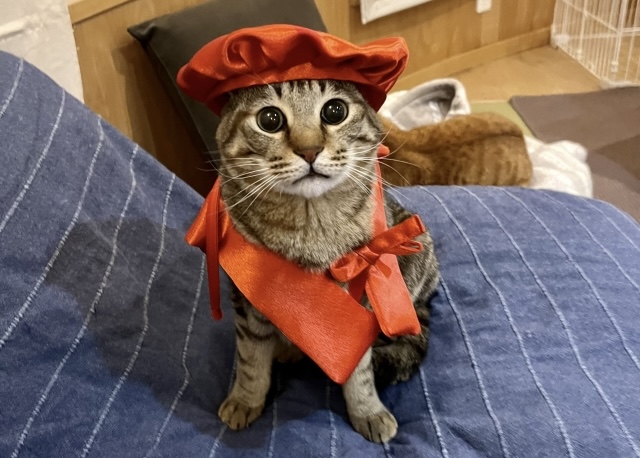
。。。猫なら着てもカワイイですけどね・・・
私は自分が60歳になった時、絶対に着たくありません。
こんなん着たら、気持ちから一気に老けてしまう気がする
頼まれてもイヤですっ!せめて、赤いワンピースにします🎵
そういえばマラソン大会で、真っ赤なTシャツの背中に”還暦”と書いてあった
ランナーいました。あれなら真似したい♪
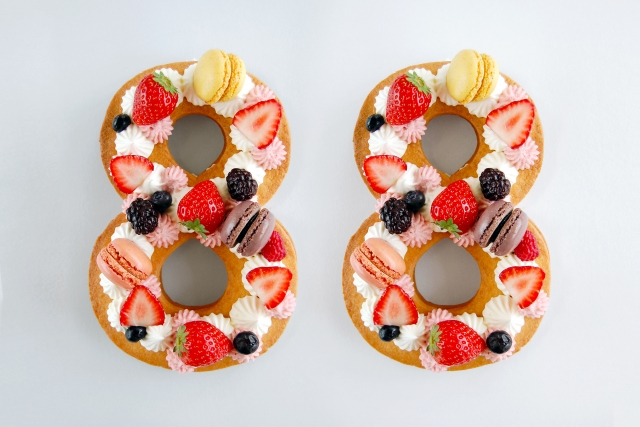
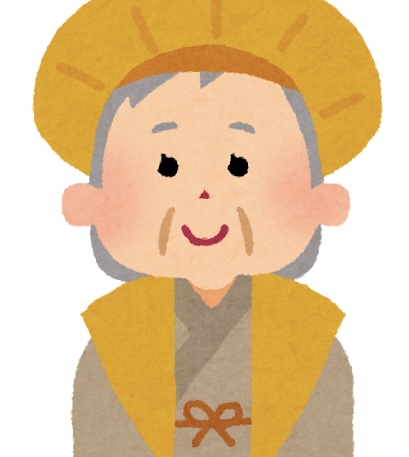
お米の稲穂を連想させる、黄色のちゃんちゃんこになります
伯母さんも、息子たちがホテルで盛大に祝ってくれ、
ちゃんちゃんこを着て帽子をかぶり、屏風の前で記念写真を撮っていました
88歳といえども、伯母さんは若々しいので全然似合ってなかったです(笑)
伯母さんは夫を亡くしてから、10年以上一人暮らしをしています
多少寂しさはあるでしょうが、まだまだ足腰が丈夫なので元気に動き回っています
86歳の時に手違いでスマホを買ってしまい、LINEとEメールを覚えるために
週2回、1ヶ月間私の家に通って使い方をマスターしました!
女の子がいなかったこともあり、私のことを娘のように可愛がってくれている
大好きな伯母さんです!英語にも”cool aunt”って言葉ありますけど
親に言えないことも話せる、友達みたいな存在でもあります。
この先、卒寿、白寿、百寿のお祝いをコンプリートしようね!
回を重ねるごとに、ド派手に祝うからね!!
The other day, my aunt — my mother’s older sister — celebrated her 88th birthday.
Since she lives nearby and has always been close to me since I was little, I brought her a cake and paid her a small visit to celebrate her beiju, the traditional 88th-birthday milestone in Japan.
By the way, in Japanese we use different kanji for “aunt,” depending on whether she is an older or younger sister of one’s parent.
An older sister is written as 伯母, while a younger sister is written as 叔母.
The same goes for “uncle”: 伯父 refers to the older brother of a parent, and 叔父 refers to the younger one.
Just a little fun fact!
Japan’s average life expectancy is one of the highest in the world.
Back in 1955, the average lifespan was 64 for men and 68 for women.
Seventy years later, in 2024, those figures have risen to 81 for men and 87 for women.
Whether people are healthy at those ages is another matter, of course…
So today, I’d like to introduce some of the traditional longevity celebrations in Japan!
Believe it or not, each milestone even has its own traditional color theme.
In Japan, most longevity celebrations fall either on every ten years or on “double-number” ages.
Their names all come from the meanings of the kanji characters used for them.
Kanreki (60):
This literally means “the calendar makes a full cycle,” based on the traditional Chinese zodiac system.
(I wrote more about this in my New Year’s card article, so feel free to check it out!)
Koki (70):
Reaching the age of seventy used to be considered rare, which is where the name comes from.
These days, though, most people think of it as more of a milestone you simply pass on the way.
Kiju (77):
This is derived from how the character for “joy” (喜) looks in its cursive form—its shape can be interpreted as the number seventy-seven.
Sanju (80):
The name comes from an old variant of the character 傘, whose shape looks like the numbers “8” and “10” stacked together—adding up to eighty.
At this point, the logic is starting to feel a bit forced…
Beiju (88):
When you write “88” in kanji, it becomes 八十八, which can be rearranged to form the character 米.
That’s where the name comes from.
Sotsuju (90):
The old variant of the character 卒—written as 卆—can be read as “ninety.”
Hakuju (99):
If you subtract the top stroke “一” from the character 百 (one hundred), you get 白, which is interpreted as “100 minus 1 = 99.”
At this point it’s practically a riddle!
Hyakuju (100):
This one is straightforward: it simply means “one hundred.”
After all the elaborate explanations above, it almost feels too plain, doesn’t it?
That said, not everyone celebrates every single milestone.
Most families tend to make a big deal out of the first one—kanreki—and then beiju at age eighty-eight.
If the person is still in good health and lively, it’s pretty common to simply skip koki or kiju.
And after eighty-eight, the number of people who actually reach the later milestones naturally gets much smaller…
Longevity celebrations in Japan aren’t always held right around the person’s actual birthday.
Instead, families usually choose a day that’s convenient for everyone to gather.
There is also a tradition of wearing a red chanchanko vest for kanreki.
This comes from the idea that “one returns to the calendar of the year they were born,” symbolizing a return to infancy.
It might look cute on a cat, but I definitely don’t want to wear one myself when I turn sixty.
I feel like putting that thing on would instantly make me feel older.
Even if someone asked me to, I’d say no!
If anything, I’d go with a red dress instead. 🎵
Come to think of it, I once saw a runner at a marathon wearing a bright red T-shirt with “Kanreki” printed on the back.
Now that is something I wouldn’t mind copying!
For beiju, the vest is usually yellow, meant to remind people of golden rice stalks.
My aunt’s sons celebrated her eighty-eighth birthday in style at a hotel.
She wore the yellow vest and a matching hat, and they took a commemorative photo in front of a folding screen.
Even at eighty-eight, my aunt is so youthful that the outfit didn’t suit her at all—haha!
My aunt has been living on her own for over ten years since her husband passed away.
Of course, she must feel a bit lonely at times, but her legs and back are still strong, and she moves around actively.
When she was eighty-six, she accidentally bought a smartphone.
To learn how to use LINE and email, she came to my house twice a week for a month and mastered it!
Since she never had a daughter, she has always treated me like her own—
and I absolutely adore her.
In English there’s the phrase “cool aunt,” and she really is one of those:
someone you can talk to about things you wouldn’t tell your parents, almost like a friend.
Let’s aim to celebrate her sotsuju (90), hakuju (99), and hyakuju (100) birthdays too!
With each milestone, we’ll make the celebrations even more spectacular!!