The English translation is below
みんな大好きオノマトペ!私たちの間では、説明をするのにどんな言葉を尽くすより
一発で理解してもらえるめっちゃめちゃ便利な言葉です。
今日は中でも意味が多く、多機能なオノマトペ「ゴロゴロ」を紹介します!
「ゴロゴロ」のコアイメージは
『重みのあるかたまりのようなものが、摩擦を伴ってゆっくり動いたり
響いている感じ』ですかね。
そして同じ「ゴロゴロ」でも、音がしている場合と
そうでない場合に分けられます
◆音アリ(実際に聞こえる)
◇カミナリがゴロゴロなる→空が暗くなって、雨が降り出すあたり
近くに落ちてきたような時は、バリバリバリ〜!ドドーン‼︎
くらいの表現になるかな
◇岩やドラム缶がゴロゴロ転がる→もっとゆっくりだとゴロンゴロン
◇お腹がゴロゴロする→調子が悪くて何度かトイレに駆け込んだり〜
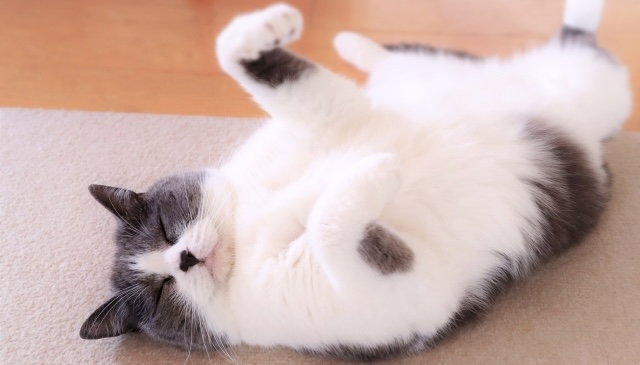
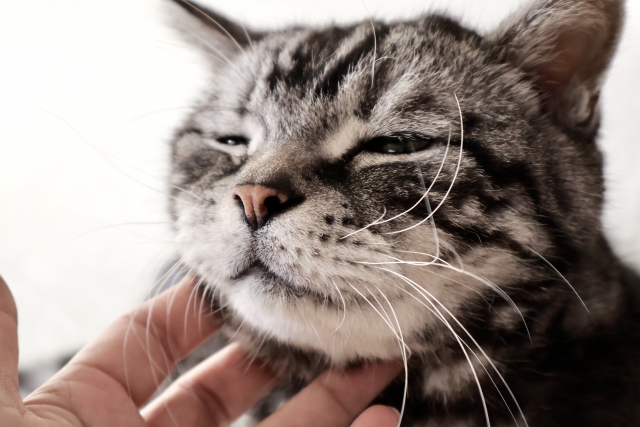
◇猫がノドをゴロゴロ鳴らす→英語だとpurrなんですよね
ドラマThe Big Bang Theoryで覚えました

◆音ナシ(状態・比喩)
◇休日、家でゴロゴロする→特にこれといったことをせず、のんびりと過ごす
でもあまりポジティブなイメージはなく、無駄に
時間を過ごした、ともとれます
ソファの上でたびたび寝返りをうっているイメージから
きたのでしょう
◇目がゴロゴロする→目に異物が入っていて、すごく痛いわけではないんだけど
かなり違和感がある時。目の中で何かが転がっているれば
厄介なものとして大きく感じるのです!
◇石がゴロゴロしている→たくさんある。動かない「ゴロゴロ」は
この写真のイメージ!

◇似たような話はゴロゴロある→珍しくない、ありふれている
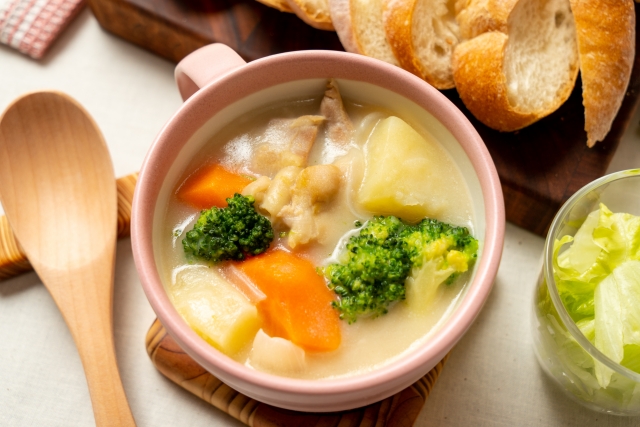
◇このシチュー、野菜がゴロゴロ入ってる♪→具材が大きくカットされている
「ゴロゴロ」のイメージがなんとなくつかめましたか?
オノマトペの威力はすごいです。言葉の意味というより
体感の記憶を呼び出すショートカットのようなものです
もし普通の言葉だけで説明するとしたら…例えば
柔らかくて、軽くて、少し揺れていて…と分解する必要があるものでも
→「フワフワ」で全部まとめて再現できるんです
そしてその分解した説明で意味が合っていても、感覚が乗ってない…(涙)
2次元の設計図と、3次元の模型くらいの差を感じるので
「フワフワ」じゃないとしっくりこないんです
しかも フワッ、フワ〜ン、フワフワ、フワッフワ で全部違う(笑)
五感で感じた微妙な違いを、音のアレンジで表現しているんですね🎵
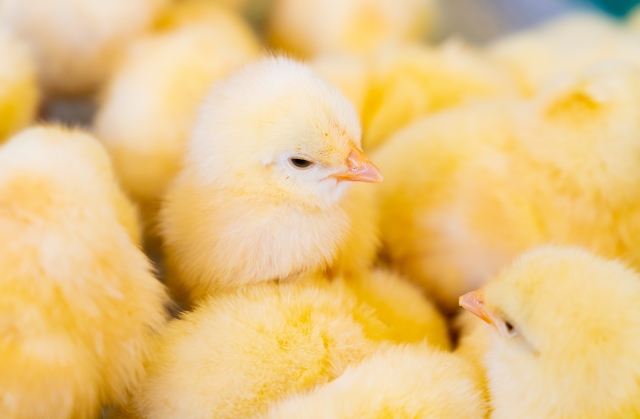
「フワフワ」なヒヨコ
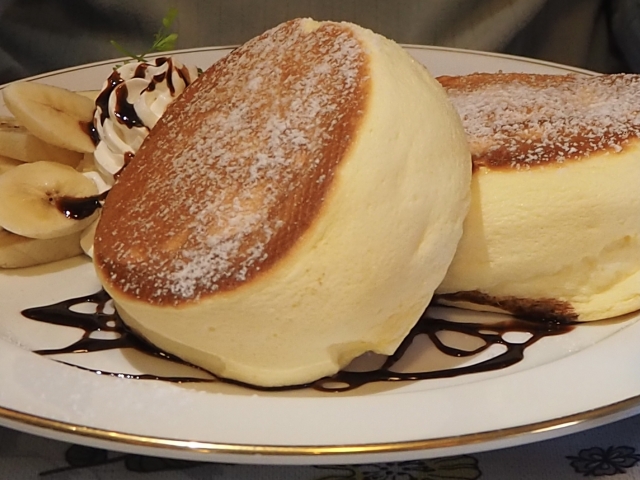
食べてみたら、予想以上に「フワフワ」だった!
「フワッフワ」なパンケーキ🎶
オノマトペは日本人同士の共有前提に支えられた言葉です
だから説明そのものより「体験」を渡している感じです
同じ体験を持っている者同士だからこそ
そのニュアンスまで自然に通じ合えているんですね
日本語を学んでいるみなさんにとっては、まずは形からですよ!
「こういうのを『ゴロゴロ』『フワフワ』って言うんだ」
と使ってみて下さい。たくさん日本語を話して、日本語って
音自体にイメージがある、と気づいた時、オノマトペの世界が
さらによく見えるようになってきますよ
その話はまた、別の記事で踏み込むことにしましょう⭐︎
Onomatopoeia — everyone loves it, right?
Among us, it’s an incredibly handy way to communicate, often getting the point across instantly in ways that no amount of explanation can.
Today, I’ll introduce one of the most versatile and widely used onomatopoeic words: “goro-goro.”
The core image of “goro-goro” is something like this:
a heavy, solid mass slowly moving with a sense of friction, or producing a low, rolling sound.
Even within the same word, “goro-goro” can be divided into two types —
cases where there is an actual sound, and cases where there isn’t.
◆ With sound (actually audible)
◇ Thunder rumbling (goro-goro)
→ when the sky darkens and it’s just about to start raining
If it’s much closer, it sounds more like “crash” or “boom!”
◇ Rocks or metal drums rolling (goro-goro)
→ if it’s slower, it feels more like “goron… goron…”
◇ Your stomach rumbling (goro-goro)
→ when it’s upset and you find yourself running to the bathroom more than once
◇ A cat purring (goro-goro)
→ in English, this is expressed as “purr”
I actually learned that from the TV show The Big Bang Theory
◆ Without sound (states / figurative uses)
◇ Spending the day just lazing around at home (goro-goro)
→ doing nothing in particular and taking it easy
It’s not always a positive image, though — it can also imply wasting time.
It likely comes from the image of rolling around on a sofa, shifting position again and again.
◇ Your eye feeling scratchy (goro-goro)
→ when something gets in your eye and it’s not extremely painful, but very uncomfortable
It feels as if something is rolling around inside, making it seem bigger and more irritating than it actually is.
◇ Stones lying around everywhere (goro-goro)
→ there are lots of them.
In this case, “goro-goro” doesn’t involve movement — it simply conveys the visual impression.
◇ There are plenty of similar stories (goro-goro)
→ nothing unusual; quite common
◇ This stew is full of chunky vegetables (goro-goro)
→ the ingredients are cut into large pieces
Have you started to get a sense of what “goro-goro” feels like?
Onomatopoeia is incredibly powerful.
Rather than simply conveying meaning, it works like a shortcut to a sensory memory.
If you tried to describe something using only ordinary words—
soft, light, gently moving—you’d have to break it down into separate elements.
But a single word like “fuwa-fuwa” can instantly recreate the whole feeling.
Even if the explanation is technically correct, it can still feel flat…
Like the difference between a 2D blueprint and a 3D model.
Without “fuwa-fuwa,” it just doesn’t quite click.
And what’s more, even small variations—
fuwa, fuwan, fuwa-fuwa, fuwa-ffuwa—each carry slightly different nuances.
Onomatopoeia expresses these subtle differences in how we perceive things through our senses, simply by adjusting the sound.
A “fuwa-fuwa” chick
It was even more “fuwa-fuwa” than I expected when I tried it!
Extra “fuwa-ffuwa” pancakes 🎶
Onomatopoeia in Japanese is deeply rooted in shared experiences among speakers.
That’s why, rather than simply explaining something, it often feels like we’re passing on the experience itself.
Because of this shared background, even subtle nuances can be understood naturally.
For those of you learning Japanese, it’s best to start by getting a feel for the form.
Try using expressions like, “Oh, this is what we call goro-goro” or “This feels like fuwa-fuwa.”
As you use more Japanese and become familiar with it, you may start to notice that sounds themselves carry meaning and imagery.
And once you do, the world of onomatopoeia will begin to open up in a whole new way.
But that’s something we’ll explore more deeply in another article ⭐︎