The English translation is below
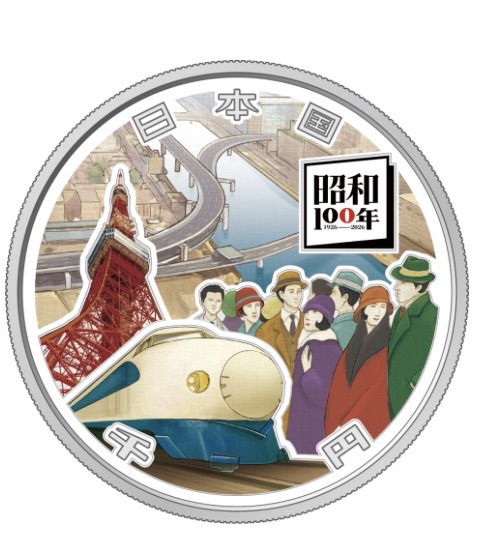
今年2026年は、「昭和100年」とも言われています
昭和元年は1926年だったので、ことし満100年を迎えたわけで
記念の貨幣の発売もされたとか(ヘェ)
日本では西暦のほかに天皇の代替わりなどを区切りとして使われる
「元号」という仕組みがあります
今の元号は「令和」。2019年が令和元年で今年は令和8年ということです
その前が「平成」さらにその前が「昭和」〜
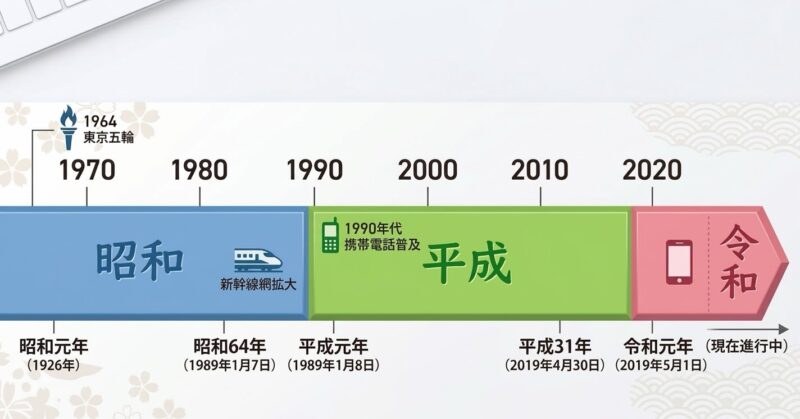
「昭和」は1926年から1989年までの期間です
第二次世界大戦の前と後で、人々の生活や価値観が大きく変わった
激動の時代と言われています
日本の高度成長期(1955〜73年)には人々の暮らしが豊かになり
テレビなどの家電製品が急速に普及しました
特に1960年代後半から70〜80年代にかけてはカラーテレビが家庭に広まり
テレビの歌番組も大きな人気を集めます
テレビ、ラジオ、レコードなどを通して
歌手や歌が全国のお茶の間に届くようになり
歌謡曲が大きく花開いた時代でもありました
ここでは、特にこの時期に生まれた歌を「昭和の歌」と呼ぶことにしますね
そしてこの時期にヒットした曲の中には
今聴くとぶったまげるような歌も交じっているのです!
まずは1979年に約160万枚売れた大ヒット曲
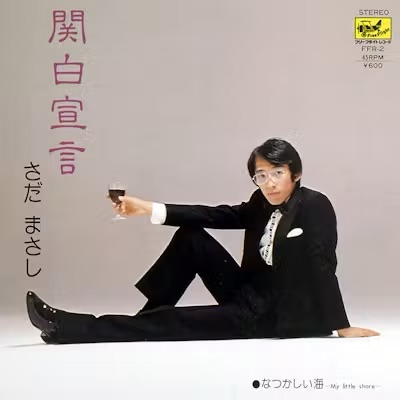
さだまさしの『関白宣言』です!(歌詞は抜粋しています)
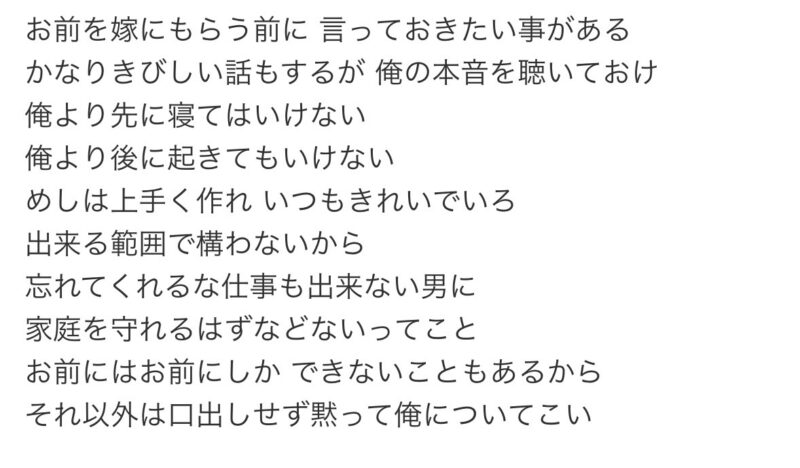
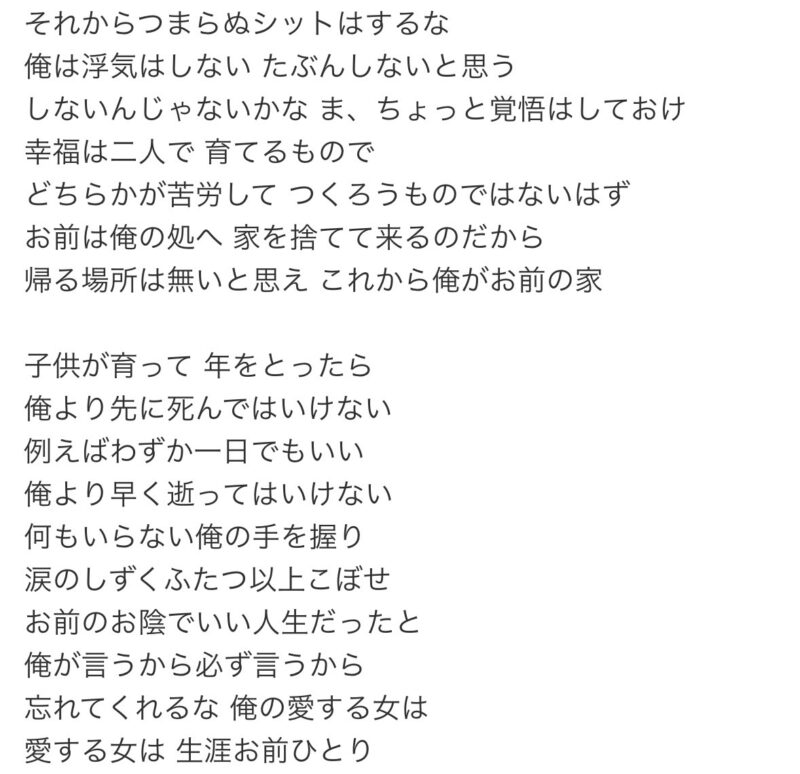
当時の時代背景は、高度成長期を支えたモデル
「男は外で働き、女は家庭を守る」という
性別役割分担がまだ色濃く残っていた時代
夫の稼ぎを中心に家計を支える家庭が多く存在していました
役割分担自体が悪いわけではありませんが、家庭内の仕事には賃金が発生しないため
『誰のおかげで生活できるんだ』とのたまうクズ男も生まれたりして(毒)
上下関係や主従関係に変わりやすかったのです
なのでこの曲は世代の違いによって
評価が大きく分かれる曲でもあります
当時の価値観の中でこの曲を聴いた世代には
愛に溢れた不器用な男の一途なラブソングと映る一方
現在の若い世代、カラオケなどで初めて聞く若い女性にとっては
「ありえない!」と批判の嵐になる歌です
今でも懐メロの歌番組でたまに流れることはありますが
やはり1番はカットされることが多いですね
え、私?多分お分かりだと思いますが…(笑)
…なんで全体的に命令形なん?「お前」呼ばわりも不快だし
「嫁にもらう」ってモノ扱いの表現何?
「できる範囲で構わないから」って、やる前提に決まってて
こっちに断る権利ないん?
「口出しせずに黙って俺についてこい」
→話し合いの出来ない男はパートナーとして不向き
「お前は俺の所へ家を捨てて来るのだから」
→いえいえアナタの親より自分の親を優先します!
(浮気の可能性はあるけど)愛する女は生涯お前ただ一人
と最後に美しく着地したつもりでも、要求ばっかりで
ルールを決めるのは自分、妻はそれに従うという構造です
愛情はあっても、その愛情と対等な関係は別問題なんですね
それで幸せに暮らした女性も少なくないのかもしれないけど
不幸な結婚生活に陥った時、自分に経済力がないために
そこから脱出するのが難しかった時代…
このように、この時代の女性は、経済的・社会的に自立しにくい仕組みだっただけに
「耐えて尽くす女性」が美しい女性像として長く歌われ続けました
愛されなくても、待つ。浮気されても、耐える。男が帰ってこなくても、家庭を守る
恋愛でも「愛される」「捨てられる」といった
受け身の立場で描かれることが多かったんですね
次に紹介するのは1980年代、女性側の心情を歌ったヒット曲の数々です!
あみん『待つわ』 タイトルからして重い!
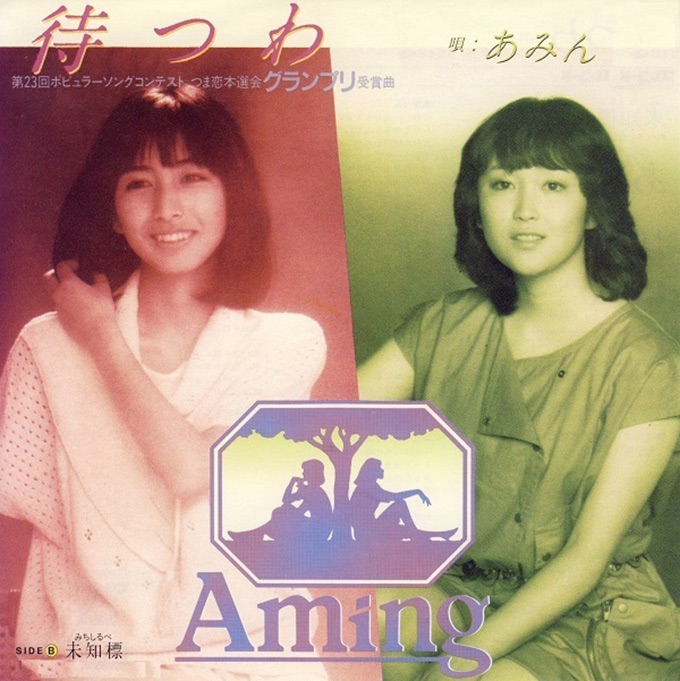
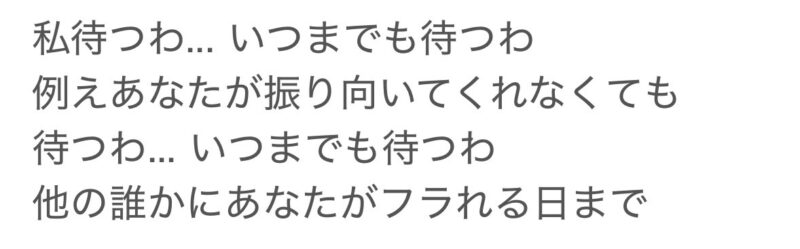
メロディはいい感じなのですが、歌詞はかなり執念深い(汗)
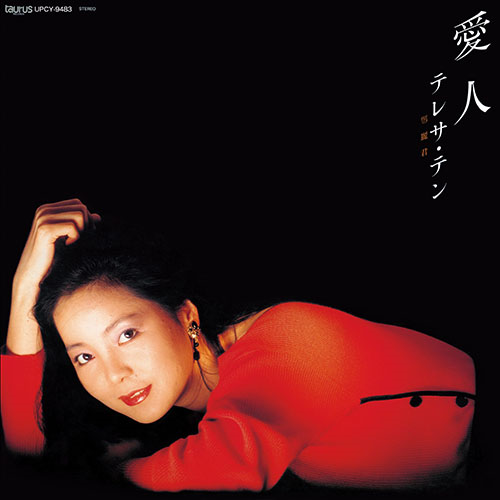
テレサテン 『愛人』
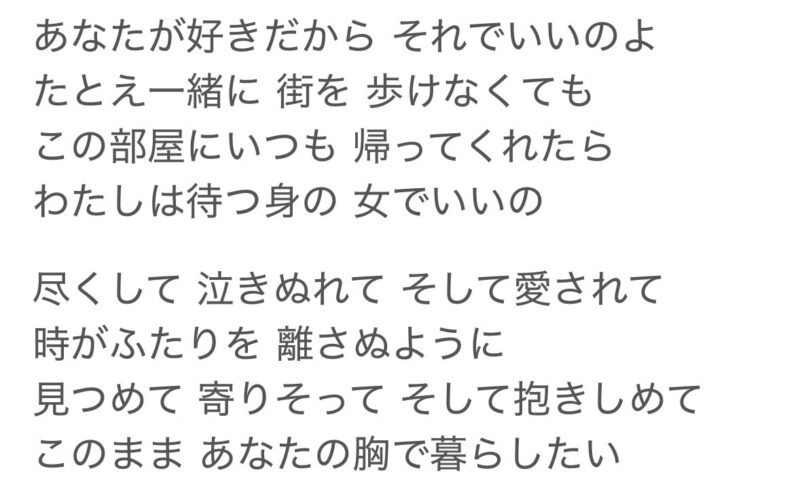
…目を覚ませ‼︎
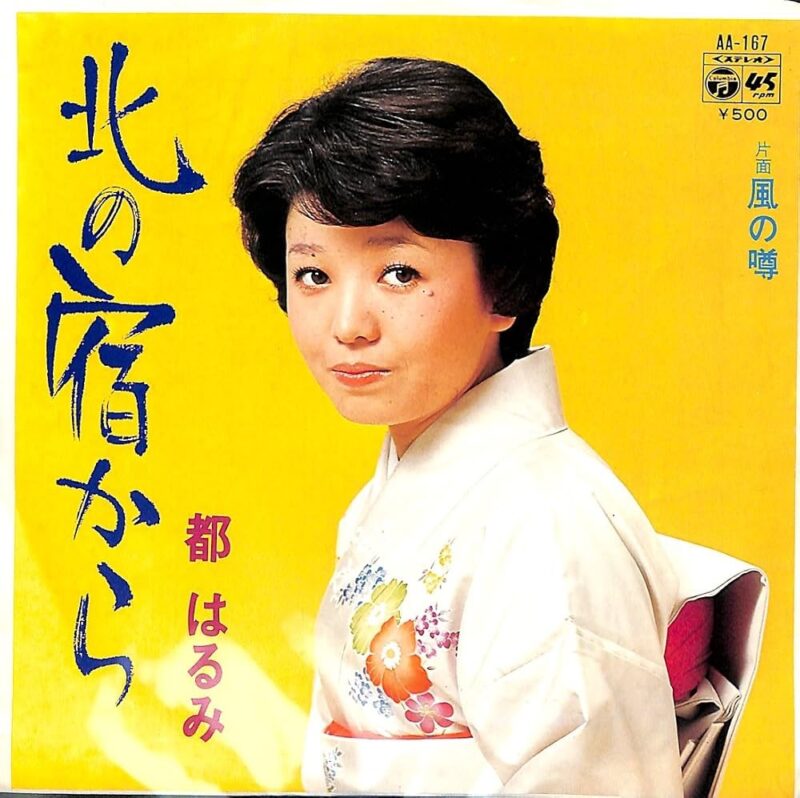
都はるみ 『北の宿から』
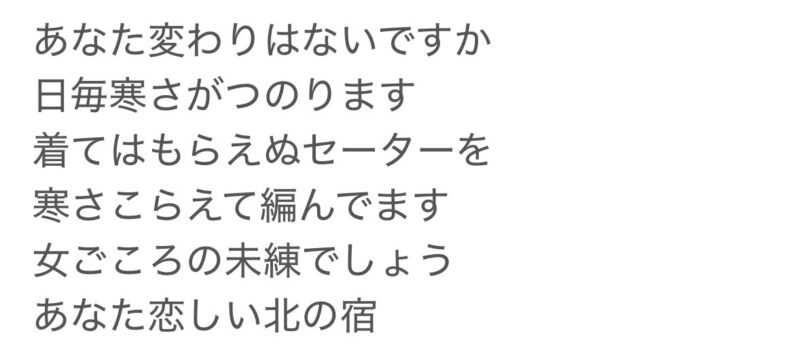
着てはもらえぬセーターを〜のくだりは、今を生きる私の感覚から言うと、
ここ、笑うとこだよね?
無駄無駄無駄ァ‼︎
そしてさらに怖いのが3番の出だし!

なぜそうなる〜⁈
石川さゆり『天城越え』
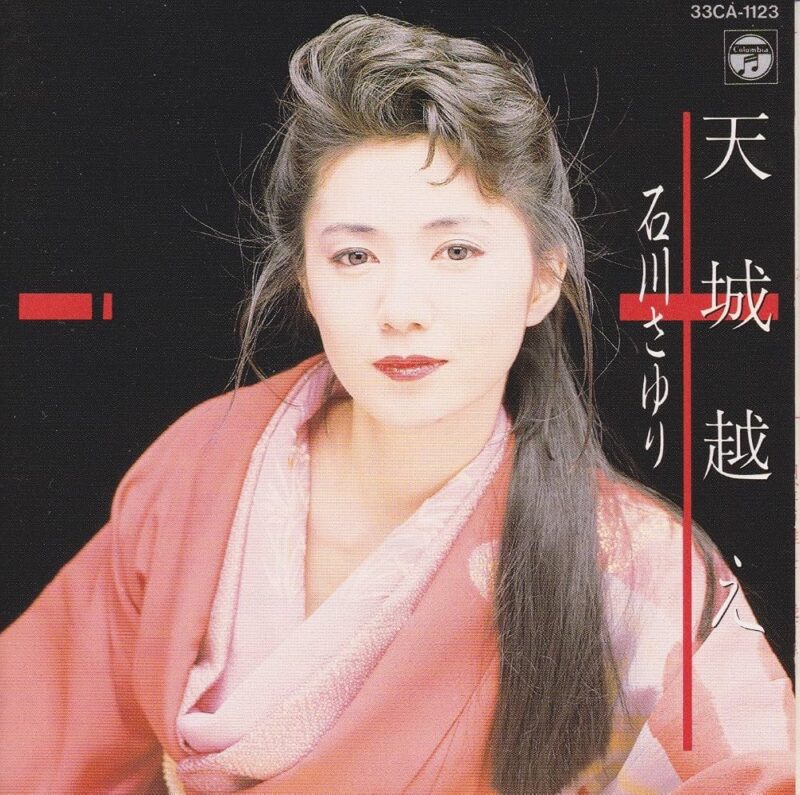
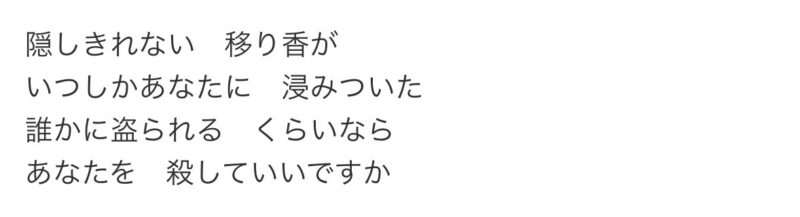
今でいうと、ストーカー殺人一歩手前です
女性の情念がものすごく濃く描かれていて、歌詞が怖いことより
こういう女性像が大衆に受け入れられて歌がヒットした
ということが私にはよけいコワイです(汗)
…そんな昭和も1989年に昭和天皇が崩御(亡くなること)された時に終わりを告げ
「平成」という新しい元号を迎えました
そして歌詞も時代と共に次第に変わっていきます
・・・つづく
2026 is also being called “Showa 100.”
The Showa era began in 1926, so this year marks 100 years since the beginning of the era. A commemorative coin was even issued to mark the occasion. (Well, I never!)
In Japan, we use not only the Western calendar but also a system called “gengo,” or Japanese era names, which mark periods based on the reign of an emperor.
The current era is Reiwa. 2019 was Reiwa 1, or the first year of the Reiwa era, making 2026 Reiwa 8. Before Reiwa came Heisei, and before that, Showa.
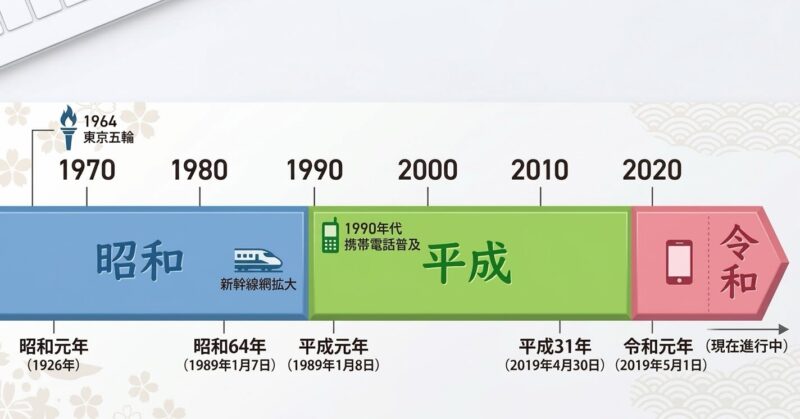
The Showa era lasted from 1926 to 1989. It is often described as a turbulent period in which people’s lives and values changed dramatically, especially before and after World War II.
During Japan’s period of rapid economic growth (1955–1973), people’s lives became more prosperous, and household appliances such as televisions spread rapidly. From the late 1960s through the 1970s and 1980s, color TVs became common in Japanese homes, and TV music shows became hugely popular.
Through television, radio, records, and other forms of mass media, singers and their songs reached homes across Japan. It was also a time when kayōkyoku, or Japanese popular songs, really flourished.
For this article, I’ll refer to the songs that emerged particularly during this period as “Showa songs.”
And among the hits from this period, you’ll find some songs that might make you go, “Wait… WHAT?!” if you heard them today.
First up is Masashi Sada’s “Kanpaku Sengen” (“Kanpaku Declaration: A Future Husband’s Demands”), a huge hit that sold around 1.6 million copies in 1979! (Only excerpts from the lyrics are included)
【Before I make you my wife,
there are a few things I want to tell you.
I’m going to say some pretty strict things,
but listen to what I really mean.
Don’t go to bed before I do.
And don’t get up after I do.
Make good meals, and always look your best.
Just do what you can. That’s all I ask.
Don’t forget this:
a man who can’t even do his job
can’t possibly protect his family.
There are things only you can do,
just as there are things only I can do.
So, other than that,
don’t complain.
Just follow me.
And don’t get jealous over little things.
I won’t cheat on you.
I don’t think I will.
I probably won’t.
But, well… you’d better be prepared, just in case.
Happiness is something we build together.
It shouldn’t be something one person has to struggle to create alone.
Since you’re leaving your home to come live with me,
you should consider that you have nowhere else to go.
From now on, I am your home.
When our children have grown up and we’re old,
you must not die before I do.
Even if it’s only by a single day,
you must not die before me.
I don’t need anything else.
Just hold my hand
and shed at least two tears.
I’ll tell you,
“It was a good life, thanks to you.”
I will. I promise I will.
Never forget:
the woman I love, the woman I love,
is you and only you for the rest of my life.】
The social background is important here. This was still an era when the traditional model that had supported Japan’s rapid economic growth—“men work outside the home, women take care of the family”—remained deeply rooted. Many households depended primarily on the husband’s income.
There is nothing inherently wrong with dividing roles this way, if both partners freely choose it. The problem was that domestic work came with no paycheck. And that could produce men who pulled the “You should be grateful because I’m the one paying for everything!” card. (Yes, I’m being a little toxic here.)
A division of roles could easily turn into a hierarchy, with the husband as the boss and the wife expected to obey.
That is one reason why this song can be viewed very differently depending on the generation. For people who heard it within the values of that time, it could come across as a clumsy but deeply devoted love song from a man who was completely serious about his wife. For younger people today—especially young women hearing it for the first time at karaoke—the reaction can be more like, “No way!”
The song still occasionally appears on TV programs featuring nostalgic hits, but these days, the first verse is often left out.
So, what do I think? I’m guessing you already know… (LOL)
…Why is practically everything in this song phrased as a command? And being called “omae”—basically “you,” but in a very blunt and hierarchical way—doesn’t exactly make me feel respected.
And then there’s the phrase “I’ll take you as my wife,” which treats marriage as if he is taking possession of an object.
“Just do what you can. That’s all I ask.” sounds generous on the surface, but wait a minute—she’s expected to do it in the first place, isn’t she? Does she even get a say in whether she wants to?
Then comes the idea of “Don’t question me. Just follow me.”
A man who cannot discuss things with his partner? Not exactly partner material, in my book.
And when he says, “You’re leaving your family behind to come to me…”
Nope. I’m prioritizing my own parents over yours, thank you very much!
And finally, after all those demands, the song beautifully lands on the declaration that, despite the possibility that he might cheat, she is the only woman he will love for the rest of his life.
Nice ending. Really.
But when you look at the whole structure of the song, the husband makes the rules and the wife is expected to follow them. There may be love there, but love and an equal relationship are two different things.
Of course, some women may have been perfectly happy living within this kind of arrangement. But if a marriage became unhappy, women who had little or no economic independence could find it much harder to get out.
Because women in this era had limited opportunities to achieve economic and social independence, the image of the “patient, devoted woman” remained a popular ideal in songs for many years.
Even when she wasn’t loved, she waited.
Even when he cheated, she endured.
Even when he didn’t come home, she stayed and kept the family together.
Even in romantic relationships, women were often portrayed as being in a passive position—as the ones who were “loved” or “left.”
Next, let’s take a look at some hit songs from the 1980s that portray things from the woman’s point of view!
Aming — “Matsu wa” (“I’ll Keep Waiting for You”)
The title alone is heavy!
【I’ll wait for you…
I’ll wait forever.
Even if you never turn around and see me,
I’ll wait for you…
I’ll wait forever.
Until the day you’re rejected
by someone else.】
The melody is lovely, but the lyrics are… seriously obsessive. (Yikes.)
Teresa Teng — “Aijin” (“The Lover”)
【Because I love you, that’s all that matters to me.
Even if we can’t walk down the street together,
as long as you always come back to this room,
I’m willing to be the woman who waits for you.
I’ll devote myself to you,
weep my heart out,
and be loved by you.
May time never tear us apart.
Let me gaze into your eyes,
stay close to you,
and hold you in my arms.
I want to stay here,
living in the warmth of your embrace.】
…Wake up and get out of there!!
Haruomi Miyako — “Kita no Yado kara” (“From an Inn in the North”)
【How have you been?
The cold grows harsher with each passing day.
I’m knitting a sweater you’ll never wear,
enduring the cold as I knit.
Is this just a woman’s lingering attachment?
I miss you, my love,
here at this northern inn.】
“I’m knitting a sweater that you’ll never wear…”
From my 2026 perspective, this is the part where I’m supposed to laugh, right?
What a complete waste of time! MUDA MUDA MUDA!!
And what’s even more frightening is how the third verse begins.
【My love, could I just die?
My heart is quietly weeping.】
Why does it go there?!
Sayuri Ishikawa — “Amagi-goe” (“Crossing Amagi Pass”)
【The lingering scent of someone else
has somehow become part of you.
If it means losing you to someone else,
would it be wrong to kill you
rather than let them take you from me?】
By today’s standards, this is one step away from a stalker murder.
What frightens me even more than the sheer intensity of the women’s emotions in these songs is the fact that these portrayals of women were widely accepted by the public—and the songs became hits.
…Showa eventually came to an end in 1989, when Emperor Showa died, marking the beginning of a new era: Heisei.
And, little by little, song lyrics began to change with the times…
to be continued…