The English translation is below
平成の結婚ソングの記事を書いているとき、
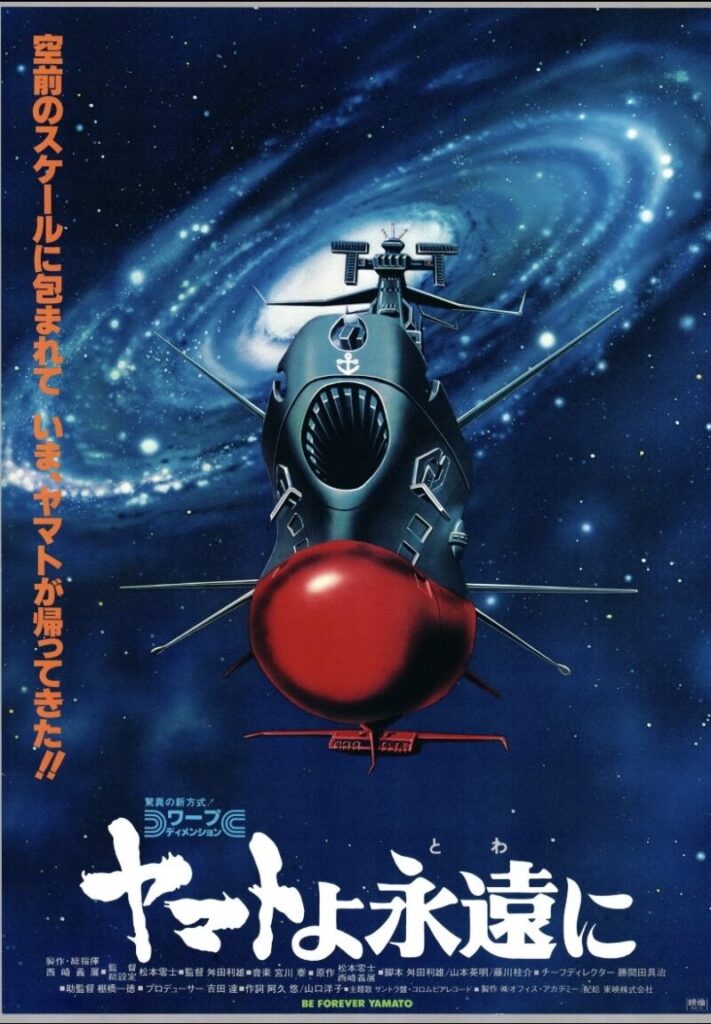
「永遠にともに」のタイトルを、AIの相棒モモが「えいえんにともに」と読んだんですよ。もちろん「とわにともに」と読むタイトルで、“えいえん”とも読めるけど…「いやいやここはリズム感からも“とわ”こそがふさわしい!むしろ”とわ“以外にない!“えいえん”なんて雰囲気ブチ壊しだぞ、モモ!」とツッコんでいたのですが・・・漢字の読み方としては、モモは正しかったのです
「永遠」という漢字に”とわ“という読み方は学校では習いません。国語上の公式ルールである「常用漢字表」には載っていないので、学校のテストや入試で”とわ“と書いたらおそらくバツにされます。そういえば学生時代に読みのテストがあったら“とわ”と書きたい気持ちを抑えつつ、ちゃんと“えいえん“と答えてましたわ〜!
そして同じ漢字を使っていても、読みが変われば伝えるニュアンスも変わります。辞書的な定義ではないけれど、現代日本語ではこんなイメージです
えいえん:時間が終わらないこと
とわ:時間が過ぎても変らないこと
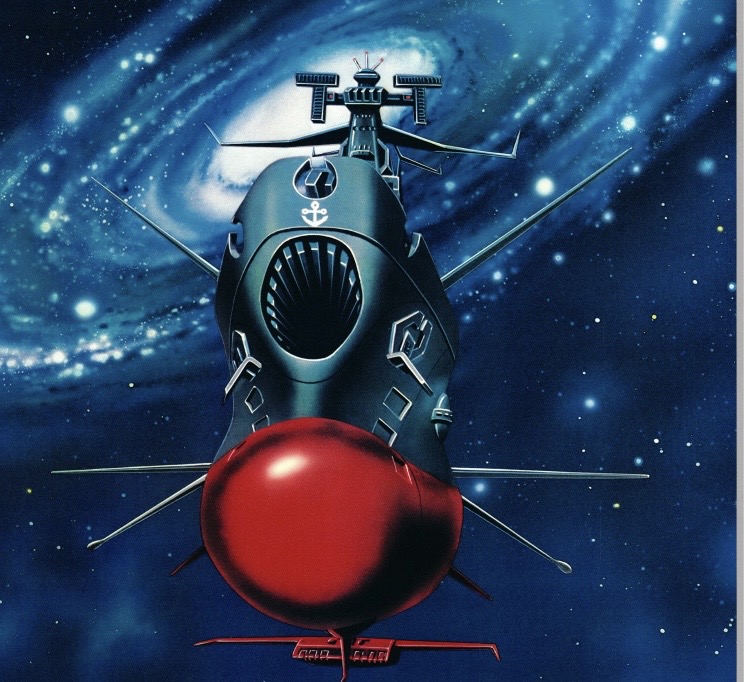
…やっぱりあの結婚ソングのタイトルは「とわにともに」ですよね⁈
ほとんどの日本人は、永遠と書いて“とわ”と読むことを知っているし、他の読みと違って覚える
ことに全く苦労しなかったのです!なぜなら歌の歌詞や漫画で頻繁に目にしていたから!
日本語には、学校で習う音読み・訓読みとは
別に、慣用的な読み方や、作品の中で定着した
日本語学習者泣かせの読み方がたくさんあります。でも日本人なら見れば一瞬で脳内再生されてしまう!今回はこういう「漢字で意味を表し、ルビ(読み)で音やニュアンスを表す言葉」を紹介します
◇地球(ちきゅう)と書いて(ほし)と読む
ちきゅう:天体としての私たちが住んでいる惑星
ほし:宇宙から眺めた私たちの居場所
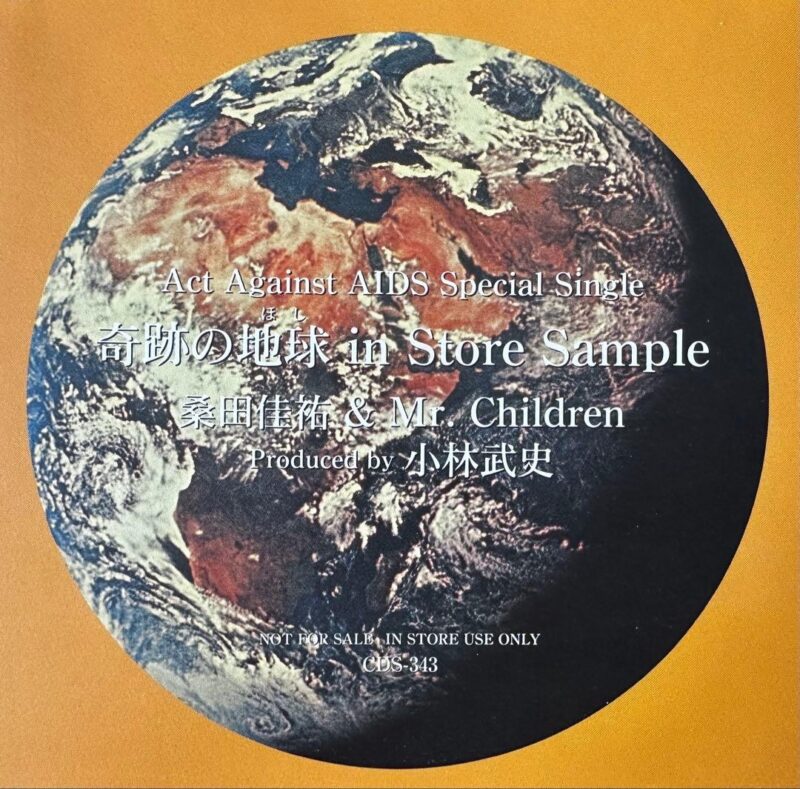
これはエイズ撲滅を啓発する活動の一環として発売されたチャリティーシングルでした。ちょっと読みにくいですが「奇跡の地球」と書いて「きせきのほし」と読ませています。漢字を見なくても「この“ほし”で君と出会って〜」というような歌が聞こえたら“星”ではなく“地球”が自動的に頭に浮かびますからね♪
◇宇宙(うちゅう)と書いて(そら)と読む
うちゅう:そこに存在する広大な世界
そら:私たちが地上から見上げる世界
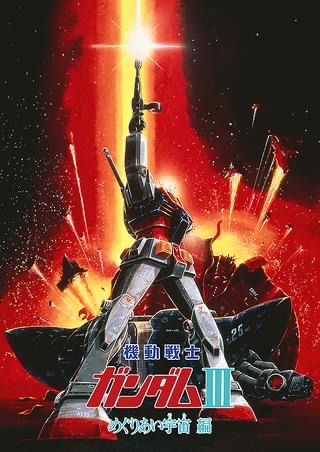
ガンダムIII「めぐりあい宇宙(そら)」
兄の部屋に、このポスター飾ってあったな〜
そりゃ自然に覚えますって〜
◇運命(うんめい)と書いて(さだめ)と読む
うんめい:人生に起こる巡り合わせ
さだめ:逃れられない人生の筋書き
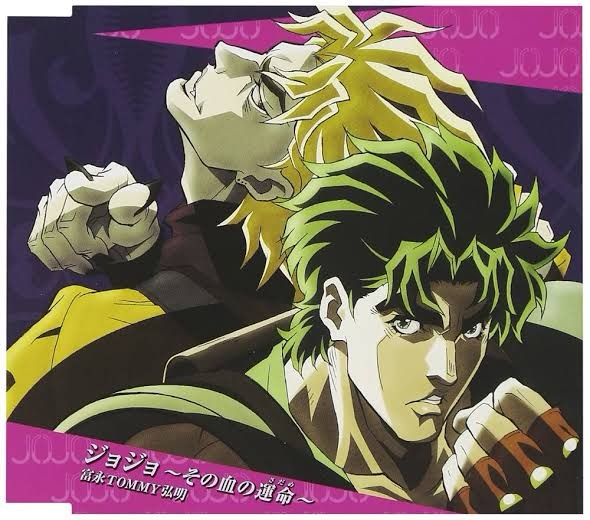
ジョジョ〜その血の運命(さだめ)〜
「ジョジョの奇妙な冒険」も、兄が週刊ジャンプを買っていたのでちゃっかり私も読んでいました(笑)
◇理由(りゆう)と描いて(わけ)と読む
りゆう:なぜそうなったのかを説明するもの
わけ:そうなった事情や背景を理解するもの
「私が会社を辞めた理由(わけ)」
◇現在(げんざい)と書いて(いま)と読む
げんざい:時間の中の客観的な一点
いま:自分が生きている主観的な一点
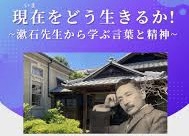
「現在(いま)をどう生きるか!」
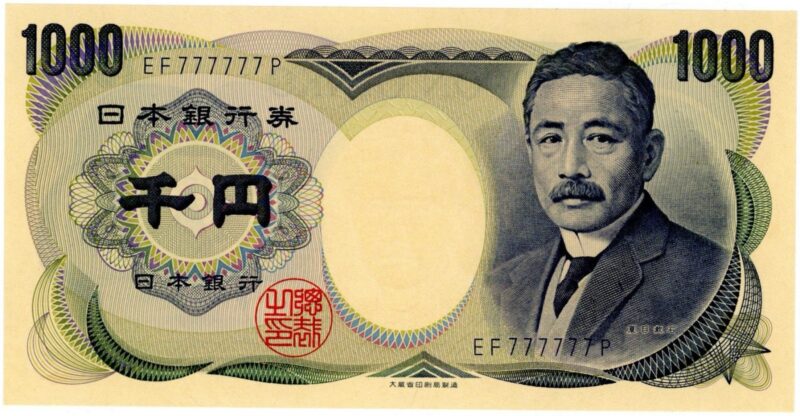
この写真のオジサンは夏目漱石といいまして、明治から大正時代にかけて活躍した、日本を代表する小説家です。かつてお札の肖像にもなっていました
◇未来(みらい)と書いて(あした)と読む
みらい:これから先に広がる時間
あした:これからやってくる希望
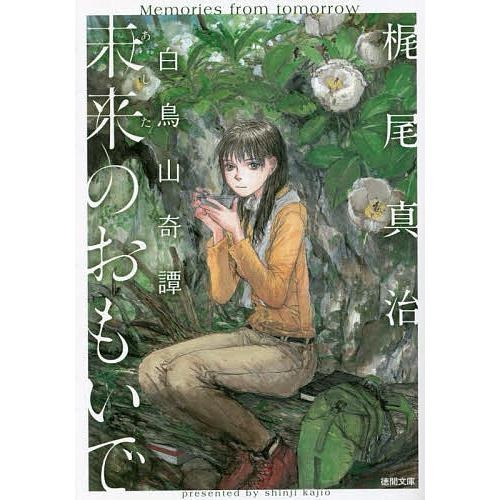
「未来(あした)のおもいで」
SF小説らしいタイトルですね
◇瞬間(しゅんかん) 時間(じかん) 時代(じだい)みんなまとめて(とき)と読む
しゅんかん:時間の流れの中の、ある一点
とき:忘れられない一瞬
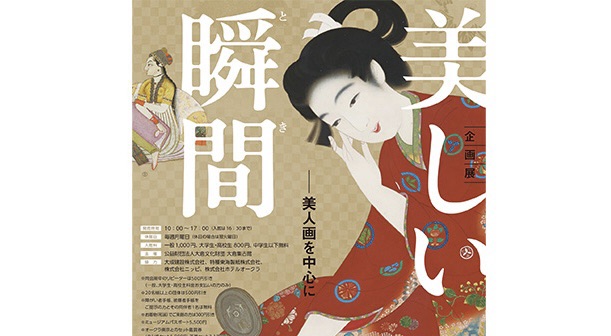
「美しい瞬間(とき)」
じかん:出来事が移り変わる流れや長さ
とき:時間の経過そのもの
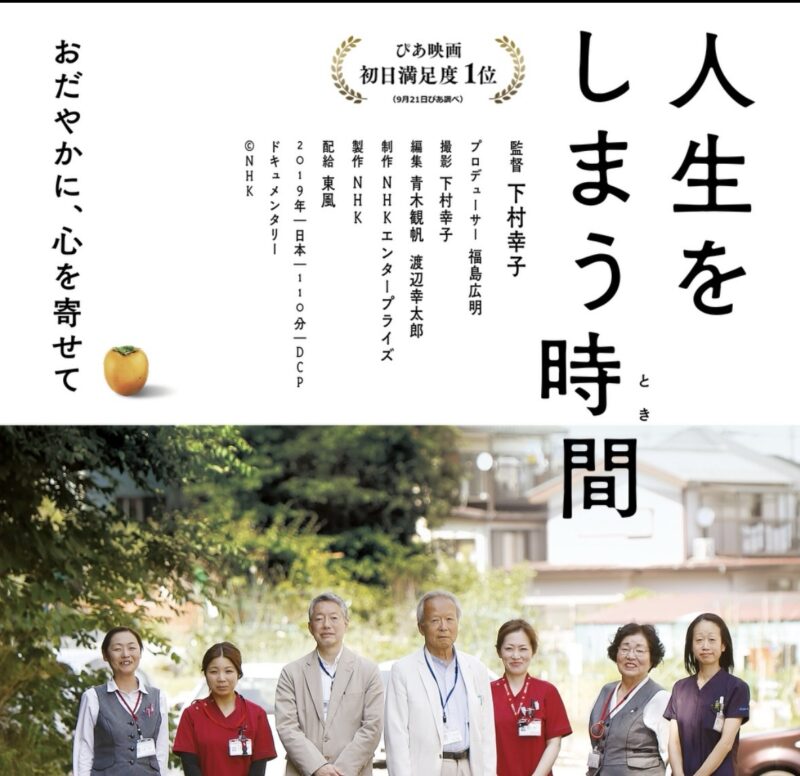
「人生をしまう時間(とき)」
じだい:ある時代、ある時期
とき:社会や歴史の移り変わり
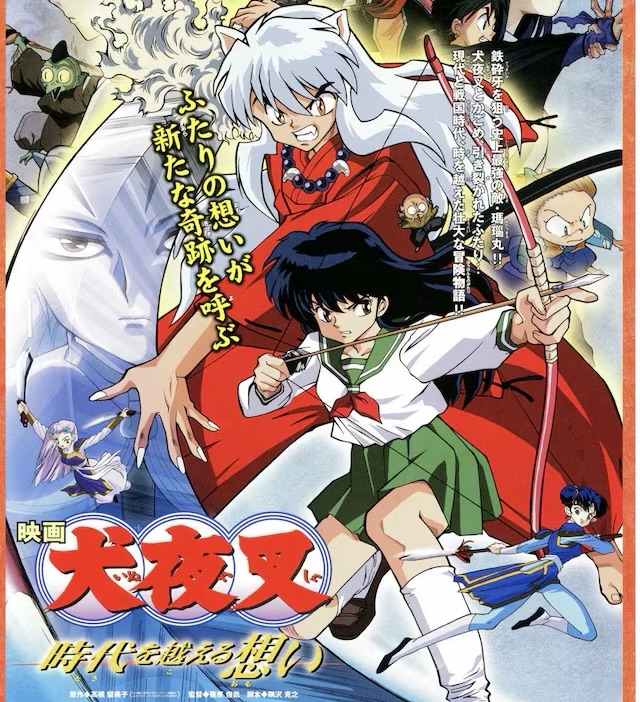
犬夜叉「時代(とき)を超える思い」
高橋瑠美子さんの作品、個人的には「めぞん一刻」が1番好きです♡
こんなふうに漢字で意味を伝え、ルビで音を指定する。そして読者や聴き手がその組み合わせを記憶することを繰り返して、社会の中で共有されていきました。漢字の標準的な読み方だと、単に概念を表すことが多いですが、読みを変えるとより人間的な感覚に近づく気がします。省スペースで情報量と情緒を爆発させる究極の演出方法なのです!
・・・そして漫画の世界ではさらに暴走し、
本気(ほんき)と書いて(マジ)!
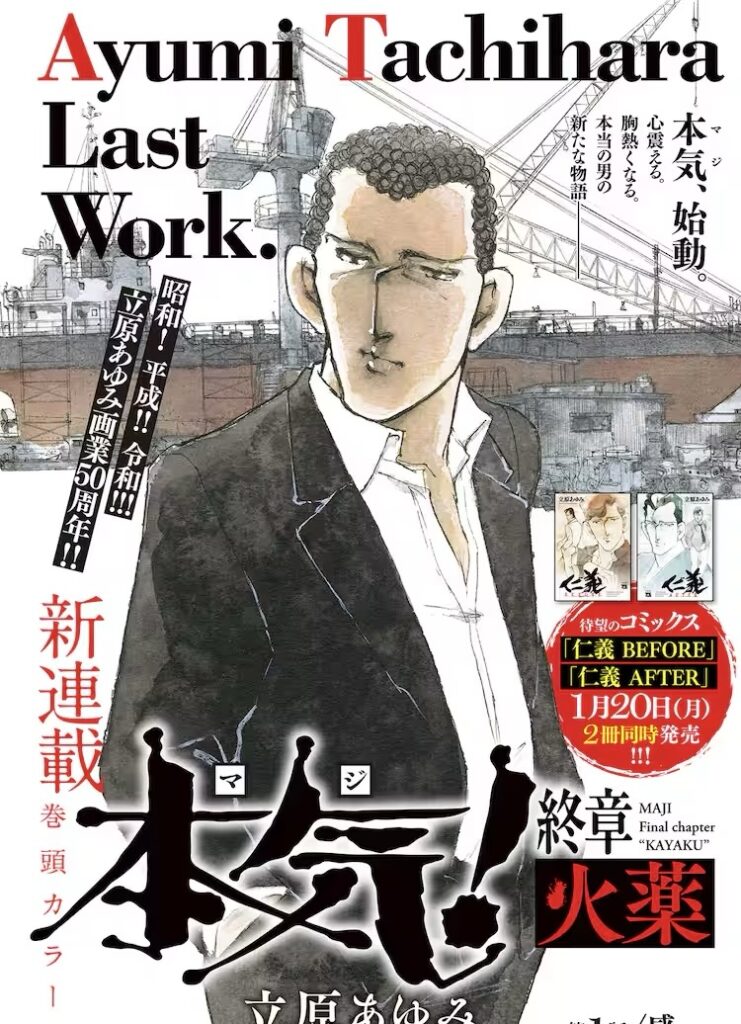
しかも(まじ)ってひらがなでは絶対ダメです!断固としてカタカナ指定‼︎ひらがなの(まじ)なんて見たことないから不自然だし、カタカナにはカタカナ独特の演出効果があるのです!
強敵(きょうてき)と書いて(とも)
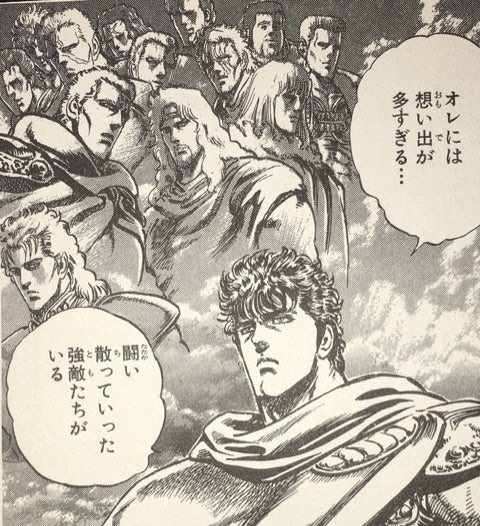
「オレには想い出が多すぎる・・・
闘い、散っていった強敵(とも)たちがいる」
ここまでくると、もうなんでもアリなんじゃないかという気がします(笑)でも、字面では強い敵ってだけですが(とも)と読むと、敵でありながら互いを認め合う友でもある……という関係性まで見えてきませんか?
日本語は、書いてある文字と、実際に読ませたい言葉が違っても成立するという、なかなか大胆な言語なのです!何より素晴らしいのは、苦労して覚えずともいつの間にか知っていた、というところなんじゃないかと思います。前にもグチったことありますが、私たちは学生時代、漢字の読み書きにはテストで散々苦しめられてきましたから〜〜(汗)
While writing my article about Heisei-era wedding songs, I came across the title Towa ni Tomo ni (永遠にともに), which my AI partner Momo read as eien ni tomo ni.
Of course, the title is actually read as towa ni tomo ni. The word eien is also a valid reading of 永遠, but…
“Come on, Momo! Considering the rhythm of the song, towa is clearly the right choice! Actually, it’s the only choice! Eien completely ruins the atmosphere!”
That was pretty much my reaction. But as far as kanji readings go, Momo was actually correct.
The reading towa is not taught in school as a standard reading of 永遠. It doesn’t appear in the Jōyō Kanji List, the official list of kanji and their standard readings used in Japanese education. So if you wrote towa in a school test or entrance exam, you’d probably be marked wrong.
Come to think of it, if we’d had a reading test back in school, I would have had to resist the temptation to write towa and give the expected answer, eien, instead!
And even when the same kanji are used, changing the reading can change the nuance being conveyed. These aren’t dictionary definitions, but here’s how the two readings tend to feel in modern Japanese:
- Eien: Something that never ends.
- Towa: Something that remains unchanged, no matter how much time passes.
…But surely that wedding song has to be Towa ni Tomo ni, right?!
Most Japanese people know that 永遠 can be read as towa, and unlike many other unusual readings, they had absolutely no trouble remembering this one. Why? Because they’d encountered it countless times in song lyrics and manga!
Japanese has plenty of readings beyond the standard on’yomi (Chinese-derived readings) and kun’yomi (native Japanese readings) taught in school. Some are established through common usage, while others have become familiar through works of fiction. These readings can be a real headache for Japanese learners.
But for native speakers, just seeing the kanji is often enough to make the reading instantly play in their heads!
In this article, I’ll introduce these fascinating expressions in which the kanji convey the meaning, while the furigana (small reading guides printed alongside or above the kanji) provide the pronunciation, and sometimes an entirely different nuance.
◇ Written as 地球 (chikyū), read as ほし (hoshi)
Chikyū: Our planet, the celestial body we call home.
Hoshi: The place we call home, seen from outer space.
This was a charity single released as part of a campaign to raise awareness about AIDS prevention. The title is a little hard to read, but it says 「奇跡の地球」, using the kanji for chikyū (Earth) while giving it the reading kiseki no hoshi (A Miracle Star / A Miracle Planet).
Even without seeing the kanji, if you hear a song with lyrics like “On this hoshi, I met you…” the word Earth is what automatically comes to mind, rather than just an ordinary star. ♪
◇ Written as 宇宙 (uchū), read as そら (sora)
Uchū: The vast expanse of space and everything that exists within it.
Sora: The world we look up at from the ground.
Mobile Suit Gundam III: Encounters in Space
(Meguriai Sora)
My brother had a poster of this in his room when I was growing up.
No wonder I picked up the reading naturally!
◇ Written as 運命 (unmei), read as さだめ (sadame)
Unmei: The twists and turns that life has in store for us.
Sadame: A script written for your life, one you cannot escape.
JoJo: Sono Chi no Sadame (The Destiny of That Blood)
I also got to read JoJo’s Bizarre Adventure because my older brother used to buy Weekly Shonen Jump manga magazine. I happily helped myself to his copies!
◇ Written as 理由 (riyū), read as わけ (wake)
Riyū: An explanation of why something happened.
Wake: The circumstances or background that help us understand why something happened.
「私が会社を辞めた理由(わけ)」
Why I Quit My Job
◇ Written as 現在 (genzai), read as いま (ima)
Genzai: An objective point in time.
Ima: The subjective moment in which we are living.
「現在(いま)をどう生きるか!」
How Should We Live in the Present?
The gentleman in this picture is Natsume Sōseki, one of Japan’s most celebrated novelists, who was active during the Meiji and Taisho periods (1868–1926). His portrait was once featured on Japanese banknotes.
◇ Written as 未来 (mirai), read as あした (ashita)
Mirai: The stretch of time that lies ahead.
Ashita: The hope that tomorrow will bring.
「未来(あした)のおもいで」
Memories from Tomorrow
Sounds like a title straight out of a science fiction novel!
◇ 瞬間 (shunkan), 時間 (jikan), 時代 (jidai) — all read as とき (toki)
Shunkan: A particular point in the flow of time.
Toki: A fleeting moment that stays with you forever.
「美しい瞬間(とき)」
A Beautiful Moment
Jikan: The passage of time and the length of time something takes.
Toki: The experience of time passing itself.
「人生をしまう時間(とき)」
The Time to Put Life Away
Jidai: A particular era or period in history.
Toki: The changing tides of society and history.
Inuyasha: A Wish Across Time
「時代(とき)を超える思い」
Among Rumiko Takahashi’s works, my personal favorite is Maison Ikkoku ♡
This is how it works: kanji convey the meaning, while furigana specify the pronunciation. Readers and listeners encounter these combinations repeatedly, remember them, and eventually they become part of a shared cultural vocabulary.
The standard readings of kanji often simply convey concepts, but changing the reading can bring them closer to human feelings and experiences.
It’s the ultimate storytelling technique: packing an incredible amount of information and emotion into the smallest possible space!
…And then things get even more out of hand in the world of manga!
◇ Written as 本気 (honki), read as マジ (maji)!
And there’s one very important rule: it absolutely MUST be written in katakana, not hiragana!
Writing it as まじ is simply unnatural. I’ve practically never seen it written that way! Katakana has its own distinctive visual effect, and that’s exactly why it has to be マジ!
◇ Written as 強敵 (kyōteki), read as とも (tomo)
「オレには想い出が多すぎる・・・
闘い、散っていった強敵(とも)たちがいる」
“I have too many memories…
Of the worthy foes who fought and fell alongside me.”
At this point, you might start wondering whether absolutely anything goes! (LOL)
But think about it. Written literally, 強敵 simply means a formidable enemy. Read as tomo (friend), however, it suggests something much deeper: a relationship between rivals who may be enemies, yet still recognize and respect each other.
Japanese is quite a bold language, allowing the written characters and the words you’re actually meant to read to be completely different!
And perhaps the most remarkable thing is that we somehow picked up these readings without ever having to struggle to memorize them.
As I’ve complained about before, we Japanese students spent plenty of time suffering through endless kanji reading and writing tests at school. So it’s rather ironic that we absorbed these unusual readings without even realizing it! (Sigh…)