The English translation is below
前回の『昭和の歌はヤバかった』に引き続き
今回はヤバさ殿堂入りの昭和アニメを
2作品紹介したいと思います!
まずは『まいっちんぐマチコ先生』(1981〜1983年)
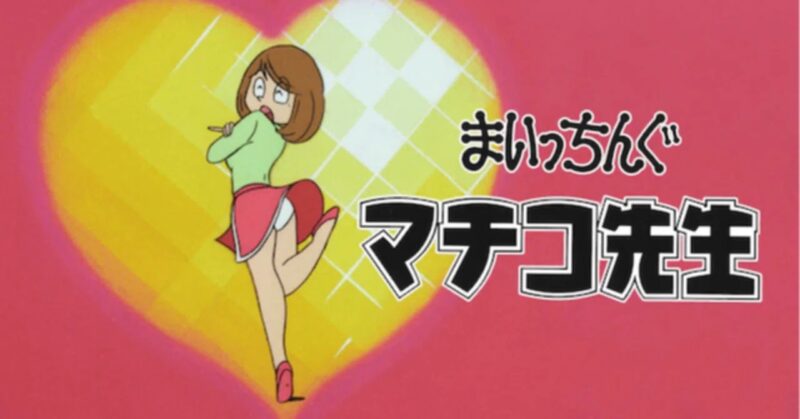
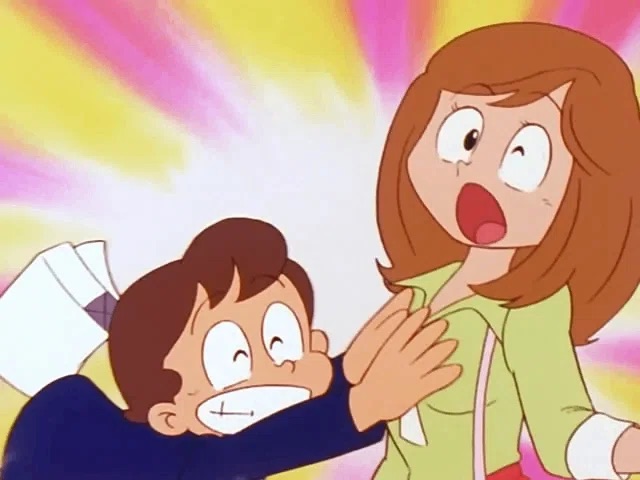
これが「まいっちんぐポーズ」
美人で優秀なマチコ先生と
個性豊かな生徒たちが繰り広げる
ちょっとエッチでハートウォーミングな
ドタバタ学園ギャグアニメ
…ってGoogle検索のAIによる概要なんですけど、…全然違うわ‼︎
ちょっとエッチでハートウォーミングな〜
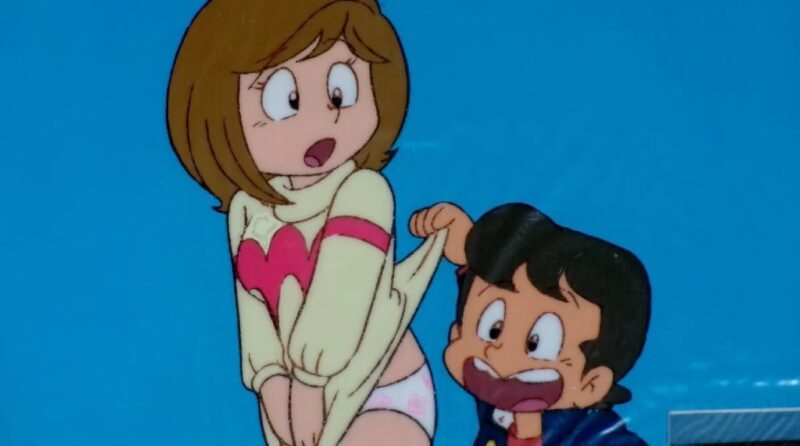
→過激なお色気描写とセクハラ表現が満載
こんなのが日常茶飯事です
オープニングの歌詞の一部
【イタズラをされたら
頬染めて照れちゃう まいっちんぐ♡】
マチコ先生は「いや〜ん、まいっちんぐ♡」
とポーズを決めて許してしまう
寛大すぎなキャラクターです
「まいっちんぐ」って、「参った」という意味を
照れながら困ってる感じを出しつつの〜
かわいく聞こえる決めゼリフって感じですかね
これ絶対、女性は嫌がってない
とか勘違いする男量産しただろ…
エンディングの歌詞はさらにヤバく
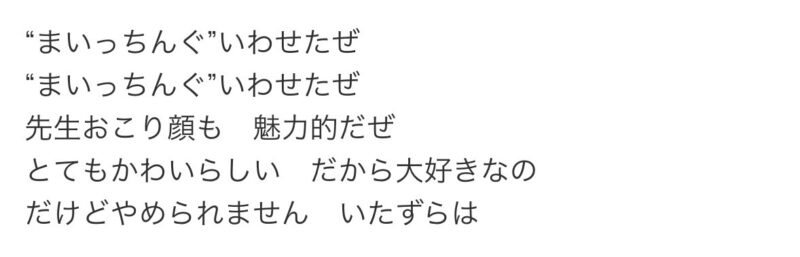
この加害者の武勇伝的なノリはなんなんだ⁈
しかも同僚の先生もコレって救いようがない
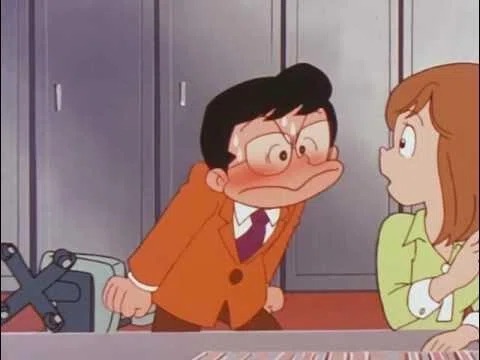
昭和ってこんなの放送してたんだ〜
どころではなくて、木曜7時半のゴールデンタイムで平均視聴率10%を超えた人気作品でした!
当時の番組紹介ではマチコ先生と生徒たちの
「スキンシップ」と公式説明されていましたが
無理ありすぎです
もちろん抗議する大人たちもいたのですが
視聴率が良かっただけに2年間も放送され続け、昭和のテレビ文化のパワーを象徴する
伝説的な番組となりました
お次は『巨人の星』(1968〜1971年)
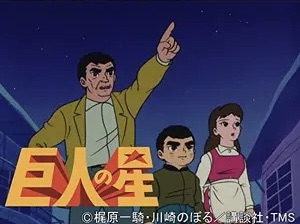
伝説のスパルタ親父と、それに鍛え上げられた
天才ピッチャーが、死ぬ気でプロ野球のてっぺんを目指す昭和熱血スポーツドラマ!
…これでもかなりマイルドに説明したつもりです今の基準では、児童虐待で逮捕される
レベルだと思いますね〜
息子を巨人軍のスターにするために
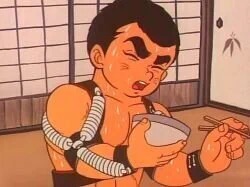
幼少期から鍛え、親父、星一徹(いってつ)は「大リーグボール養成ギプス」という特訓器具を発明&作成します! 腕を動かすだけで大きな
負荷がかかる構造で息子、飛雄馬(ひゅうま)は日常生活でも着用を強いられていました
オープニングでは一徹にノックでボコボコに
されてる映像もありまして、
【行け行け飛雄馬】
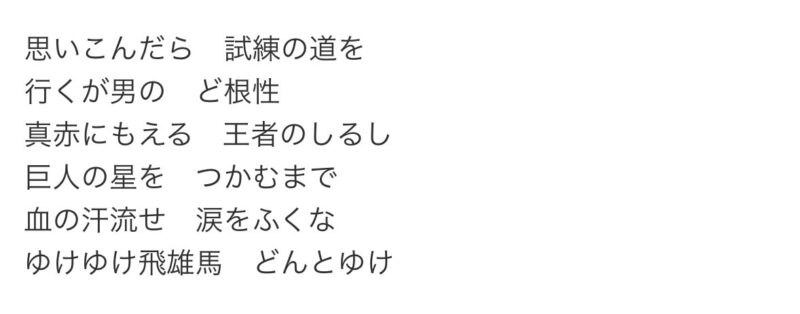
「行け行け」の読みが「ゆけゆけ」なのも
昭和感出てます
今の感覚だとどう見ても「虐待される子供」
なんですが「父親の厳しい愛情を受けて成長する息子」として描かれていました
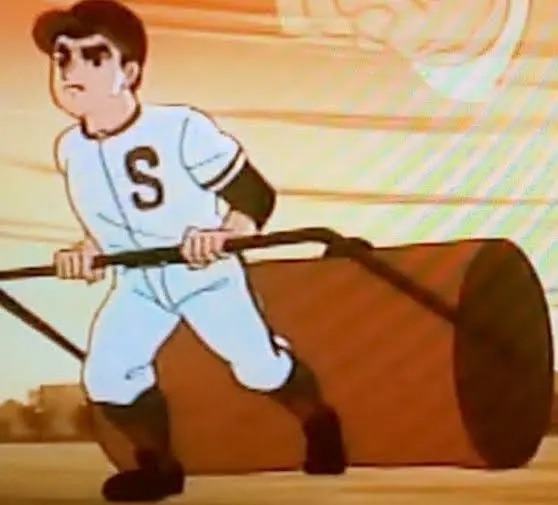
日本のプロ野球の話なのに、なぜか器具の名前はすでに「大リーグ」! 一徹、目標設定のスケールもデカいですね。きっとあの頃の日本で
「大リーグ」は、海の向こうの圧倒的に
強い野球の象徴だったのでしょう
コレもまた毎週土曜夜のゴールデンタイムに放送されていたのですが、エンディングの歌で
毎週このビンタの映像が流れていました…
「男はこうあるべき」「父親はこうあるべき」「努力とは苦痛に耐えること」が
ガンガン詰め込まれていまして、
血の汗流せ 涙を拭くな、
って昭和の「男らしさ」はなかなかの
無理ゲーだったんですね〜
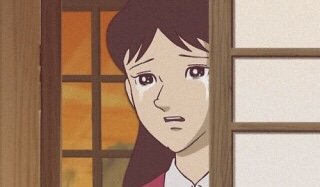
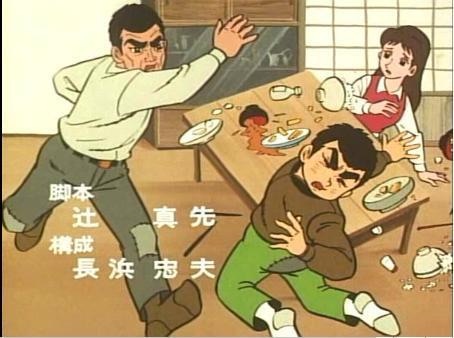
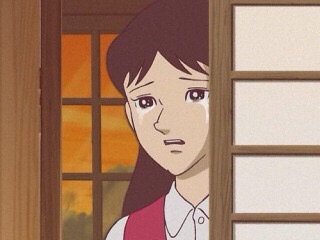
映っている女の人は姉の明子で、母親が亡くなった後、星家の家事を一手に引き受けています。
名探偵コナンの蘭と似た境遇ですね(汗)
いや、昭和の明子姉ちゃんには、父にしごかれる弟を泣きながら見守るしかないという
無力感が漂っています
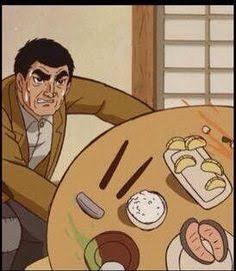
海外でも激怒を表す人気の顔文字
「ちゃぶ台返し」ですが
╯°□°)╯︵ ┻━┻
(ノ`m´)ノ ~┻━┻ (/o\)
発祥はここです!
一徹のスパルタ教育は、飛雄馬が念願の巨人軍に入っても終わりません!なんと一徹は敵チームである中日の監督に就任するのです!中日で強敵を育成し、息子と対戦させてさらに飛雄馬を
鍛えよう!という一徹らしい発想です。
息子を倒すべく刺客を次々に送り込み、
一人前にするために父親自身が最大の試練を
用意するなんて
…想像をナナメ上いく愛情表現です♡
ちなみに、みなさんも気になるところだと
思うので「大リーグボール養成ギプス」
の甲斐あって(⁈)生まれた魔球を
ご紹介しておきます
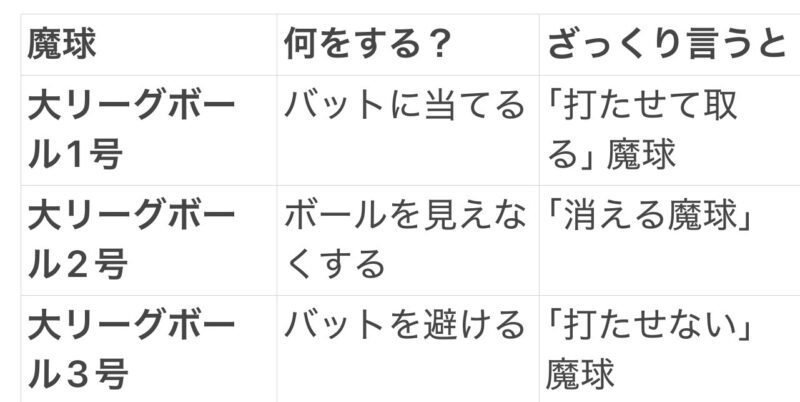
魔球の弱点を、ライバルに頭脳と特訓で
攻略されるたび、飛雄馬は新しい魔球を
開発していきました。当時の野球少年達も
「大リーグボール2号!」(実際消えないけど)とか叫びながらマネして投げてたんだろうな(笑)
最終回はリーグ優勝をかけた中日との試合
(監督は一徹)で、飛雄馬は3号を投げ続け
完全試合を達成します。しかし最後の一球を
投げ終えた瞬間、左腕が限界に達してマウンドで倒れてしまいます。一徹が飛雄馬を背負って、
観客の拍手の中、球場を去っていく…
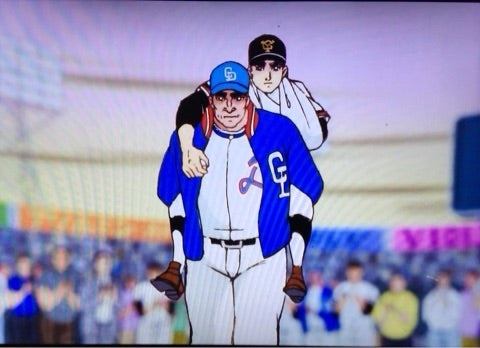
ここで『完』
でも飛雄馬は投手生命絶たれちゃったんですよ!いいんですかこんな終わり方⁈
指導者の大人たちもダメダメなヤツです
今なら完全に止められるレベルの無茶ですが、「巨人の星」の世界では
限界まで鍛える=愛情
痛みに耐える=根性
身体を壊すほどの努力=栄光
みたいな価値観がこれでもかと
繰り返されていました〜
昭和っていろんな意味でスゴかったですね
勢いのあった時代、ある種のびのびとした
自由な空気も感じます。昭和ならではの問題点はいっぱいありましたが、時代とともに改善されてきたからこそ、過去の一時代として今
面白おかしく眺められるのだと思います
アニメや歌などの文化は、その時代を映すものとして楽しめばいいですよね♪
私も昭和の歌をカラオケで歌います!
歌うからには耐える女になりきって歌ってます!マチコ先生のオープニングも「まいっちんぐ♡」のところではあのポーズ決めます‼︎
みなさんにも昭和の濃厚な一部分を味わっていただければ幸いです
Following my previous post, “Showa Songs Were… Something Else!“ this time I’d like to introduce two Showa-era anime series that definitely deserve a place in the Hall of Fame of “What were they thinking?!”
First up is 『Maicching Machiko-sensei 』(1981–1983).
This is the famous “Maicching Pose.”
According to an AI-generated overview from Google, it’s “a slightly risqué yet heartwarming slapstick school comedy featuring the beautiful and talented teacher Machiko and her colorful students.”
…Um, NO. That is not what I remember at all!!
“a slightly risqué yet heartwarming…”
→ How about “packed with outrageous fan service and sexual harassment”?
Stuff like this happens all the time.
In the opening song,
【When someone teases me,
I blush and get all shy.
Maicching!】
Machiko-sensei responds to everything by striking her signature pose and saying, “Iyaaaan, maicching♡,” basically giving everyone a free pass.
“Maicching” is a cute, playful expression based on maitta, meaning “I give up” or “You got me.” It conveys the feeling of being embarrassed and flustered while trying to make it sound cute and playful.
Seriously… didn’t this show create an entire generation of guys who thought, “See? Women don’t really mind this kind of thing”?!
And the ending song is even more outrageous.
【“Got her to say ‘Maicching!’”
“Got her to say ‘Maicching!’”
Even when she’s angry,
Teacher looks charming.
She’s so very cute,
That’s why I love her.
But I just can’t stop
My little pranks.】
What the hell is this?! Why is it presented like some kind of heroic tale of the perpetrator’s exploits?!
And to make matters worse, even the other teachers are in on it.
There really is no one left to save this school.
This wasn’t just a case of “Wow, they actually broadcast stuff like this back then.”
It was a popular show that aired in prime time at 7:30 p.m. on Thursday nights, with an average audience rating of over 10%!
At the time, the physical contact between Machiko-sensei and her students was officially described in TV program guides as “skinship.”
Yeah… that’s a bit of a stretch.
Of course, there were adults who complained about the show. But with ratings that good, it stayed on the air for two full years and became a legendary example of the sheer power of Showa-era TV culture.
Next up is 『Star of the Giants 』(1968–1971).
A legendary hard-as-nails father and the gifted pitcher he trains push themselves to the limit in a classic Showa-era sports drama, determined to make it to the top of professional baseball!
…And believe me, that’s already a very sanitized description.
By today’s standards, I’d say this would probably get the father arrested for child abuse.
Determined to turn his son into a star player for the Yomiuri Giants, the father, Ittetsu Hoshi, starts training him from early childhood. He even invents and builds a training device called the “Major League Ball Training Brace.”
The device is designed to put tremendous resistance on the arms whenever they are moved, and his son, Hyuma, is forced to wear it even while going about his everyday life.
The opening credits even show Ittetsu repeatedly pelting his son with baseballs during fielding practice.
Go, Go, Hyuma!
If you set your mind to it,
Walk the path of trials.
A man keeps going,
with perseverance.
Burn like a bright red flame,
until you seize
the Star of the Giants,
the mark of a champion.
Sweat blood,
but never shed a tear.
Go, go, Hyuma!
Go boldly on!
And even the way the title of the opening song is pronounced has that unmistakable Showa-era flavor: “Yuke Yuke” instead of the more usual “Ike Ike.”
From a modern perspective, Hyuma looks like a child being abused, no question about it.
But the story presents him as a son who grows stronger under his father’s strict love.
And here’s another thing that makes me laugh:
The story is about Japanese professional baseball, yet the training device is already called “Major League” something!
Ittetsu certainly had big ambitions for his son. Back then, “the Major Leagues” must have represented baseball at a whole different level—the overwhelmingly powerful baseball world on the other side of the Pacific.
This show, too, aired in prime time on Saturday nights.
And every single week, the ending song treated viewers to this lovely little image of Ittetsu slapping his son across the face…
The show is packed with messages about how “a man should be,” what “a father should be,” and how true effort means enduring pain.
“Let the sweat be blood. Never wipe away your tears.”
Yeah… the Showa-era definition of “manliness” was quite a brutal challenge to sign up for.
The woman you see here is his older sister, Akiko. After their mother dies, she takes on pretty much all the housework for the Hoshi family.
She’s in a situation somewhat similar to Ran from Detective Conan.
But Akiko has a distinctly Showa-era kind of helplessness about her: she can only watch in tears as her father puts her little brother through one brutal training session after another.
And then we have the famous “chabudai-gaeshi” — flipping over the low dining table in a fit of rage, a gesture that has even inspired popular rage emojis overseas:
╯°□°)╯︵ ┻━┻
(ノ`m´)ノ ~┻━┻ (/o\)
This is where it all began!
Ittetsu’s Spartan-style training doesn’t end even after Hyuma finally joins the Yomiuri Giants, the team he has always dreamed of playing for!
In fact, Ittetsu becomes the manager of the Chunichi Dragons—the Giants’ rival team!
His idea is very Ittetsu: train up some formidable opponents at Chunichi, have them face his own son, and use the competition to push Hyuma to become an even better player.
He sends one formidable challenger after another after his son, all in an effort to defeat him.
A father who creates the ultimate trial for his own son just to make him stronger…
That’s a rather… unconventional way of showing love.♡
And since I’m sure you’re all wondering, let me introduce the pitches that Hyuma developed—perhaps thanks to the “Major League Ball Training Brace” (?!)
Pitch
What does it do?
In a nutshell
Major League Ball No. 1
Gets the batter to hit the ball
A “let them hit it” pitch
Major League Ball No. 2
Makes the ball disappear
The “vanishing ball”
Major League Ball No. 3
Avoids the bat
The “don’t let them hit it” pitch
Every time a rival figured out the weakness of one of his pitches through brains and intense training, Hyuma would develop a new one.
I’m sure kids who were into baseball back then were running around trying to imitate him, yelling, “Major League Ball No. 2!” while throwing the ball themselves.
(Even though the ball doesn’t actually disappear. )
In the final episode, Hyuma faces Chunichi, managed by none other than his father Ittetsu, in a game that will decide the league championship.
Hyuma keeps throwing Major League Ball No. 3 and achieves a perfect game.
But the moment he throws the final pitch, his left arm reaches its limit, and he collapses on the mound.
Ittetsu carries his son on his back and walks out of the stadium as the crowd applauds…
And then:
The End.
Wait a minute.
Hyuma has just ended his pitching career!
Was this really how they wanted to end the story?!
The adults responsible for guiding these young athletes weren’t exactly making great decisions either.
The kind of reckless overtraining that would be stopped immediately today was repeatedly presented in Star of the Giants as something admirable:
Train yourself to the limit = love
Endure the pain = grit
Work so hard that you destroy your own body = glory
These ideas were hammered home again and again.
Showa was an incredible era in so many ways.
It was a time of tremendous energy and growth, and there was also a certain sense of freedom and openness to it.
Of course, the Showa era had plenty of problems of its own. But precisely because many of those things have changed and improved over time, we can now look back on that era as a part of the past and enjoy it with a sense of humor.
I think we can simply enjoy anime, music, and other forms of popular culture as reflections of the times in which they were created. ♪
I sing Showa songs at karaoke, too!
And if I’m going to sing them, I fully commit to becoming one of those long-suffering women from the songs!
And when I sing the opening theme from Maicching Machiko-sensei, you can bet I do the famous pose at the “Maicching♡” part!
I hope you’ll enjoy a taste of this particularly intense slice of Showa-era culture!