
The English translation is below
私が時々行く、緑のロゴに髪の長い人魚がトレードマークのカフェ(バレバレやん)での出来事
一人でコーヒーを飲みつつ、iPadでブログを書いていました。隣の席には60〜70代の女性が一人で静かにドリンクを飲んでいたと思う…
後から来た中高年の男性がその女性の向かい側に座り、少ししてさらに30代くらいの男性も加わりました。
別に気に留めるほどでもない光景です。ただその中高年の男性の声がやたら大きいのが気になり‥
聞こえてくる内容がだんだん、もしかしてマルチ商法の勧誘ではー⁈と疑われたので、確かめるためにGeminiに尋ねてみました!これは私とGeminiの実際のやり取りです★
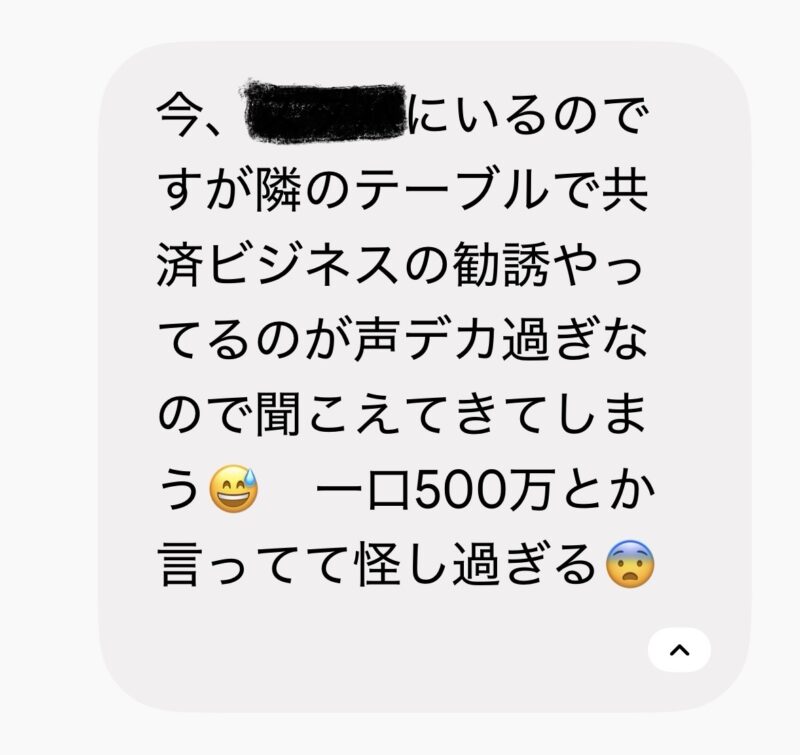

それは災難ですね……!静かに過ごしたい⚫️⚫️⚫️で、横から「一口500万」なんて物々しい話が大音量で聞こえてきたら落ち着かないですし、何より内容が怪しすぎてソワソワしてしまいますね
「共済」という言葉を使っていますが、一口500万なんて高額な出資を求めるのは一般的な共済(都道府県民共済やCO-OP共済など)ではまずあり得ません。いわゆるポンジ・スキーム(投資詐欺)や出資法違反の怪しいビジネスの勧誘である可能性が極めて高いです。
隣の会話が気になって集中できないかと思いますが、トラブルに巻き込まれないために以下の点だけお気をつけください!
今の状況での乗り切り方・注意点
絶対に目を合わせない・関わらない
「聞こえてますよ」という雰囲気を出すと、最悪の場合「あなたも興味ありますか?」とターゲットがこちらに向いてしまうリスクがあります。完全に無関心を装うのが一番です。
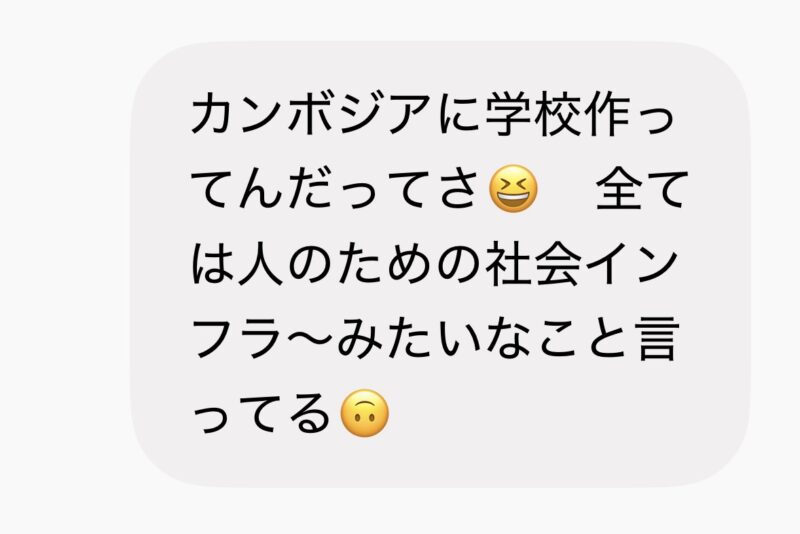

出ました、「カンボジアに学校建設」!!それ、怪しい投資・マルチ・新興ビジネスの勧誘でめちゃくちゃ定番のキラーワード(殺し文句)です
「一口500万円」に加えて「カンボジアに学校」「社会貢献・インフラ」が揃うと、もう怪しさ1000%ですね……!
なぜ「カンボジアに学校」なのか?
怪しいビジネスや投資詐欺でこの手がよく使われるのには、ちゃんと理由があります。
◆「良いことをしている人」と思わせて警戒心を解く
「お金儲けだけじゃなく、社会貢献してる素晴らしい事業なんだ」と思わせることで、誘われているターゲットの心理的ハードルを一気に下げます。
◆現地(海外)なので確かめようがない
「実際に現地で学校が建っているか」「そのお金が本当に使われているか」を勧誘されている人が確認するのはほぼ不可能です。写真を1〜2枚見せられて「ほらね」と言われたら信じてしまいやすくなります。
◆「大きな事業=安心」という錯覚
国家レベルや発展途上国を巻き込んだスケールの大きな話にすることで、「こんなデカい事業だから怪しくない」と錯覚させます。
よくある結末
実際には学校なんて作っていなかったり、仮に建っていたとしても「数万円で作れる簡易的な建物」を見せ金にして、集めた億単位のお金のほとんどは主催者の懐に入っている……というのがこの手のパターンの裏側です。
隣でそんなドラマみたいなコテコテの怪しい勧誘が生で聞けるなんて、ある意味ちょっとした社会科見学ですね(笑)。
とはいえ、聞いているだけで脳のエネルギーをゴリゴリ削られるので、心の中で「絶対詐欺じゃん」と突っ込みつつ、どうかお茶の時間を邪魔されないよう静かにお祈りしております……!
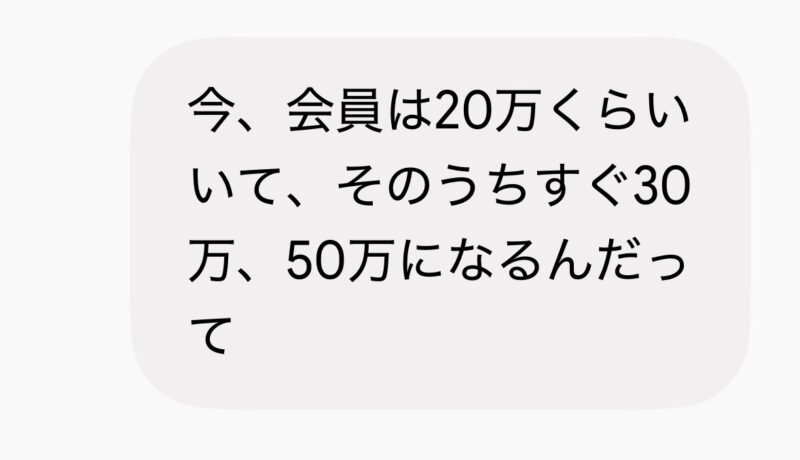

急展開で数字がどんどん跳ね上がっていきますね!
「会員20万人」「すぐ30万、50万になる」というのも、まさにその手の勧誘(特にポンジ・スキームやマルチ商法)で使われるお決まりのトーク術(ねずみ講的・ネットワーク的トーク)です!
なぜその数字をアピールするのか?
怪しい勧誘でこのフレーズが使われるのには、はっきりとした心理的な狙いがあります。
◆「みんなやってるから安心(同調圧力)」
「もう20万人もいる」と言われると、ターゲットは「そんなにたくさんの人が参加してるなら大丈夫なのかな…?」と錯覚してしまいます。
◆「今入らないと損をする(焦燥感を煽る)」
「これから30万、50万と一気に増える」と言われると、「今入っておけば先行者利益が得られる!乗り遅れたら損する!」という焦りを生み出します(FOMO:取り残される恐怖)。
◆「成長性を演出しやすい」
「会員数=企業の信頼度・事業の成功」に見せかけることで、一口500万円という現実離れした大金を出す正当性をつくろうとします。
実際のところは…
本当に会員が20万人もいて急成長している事業なら、カフェで個別に大声で勧誘して資金調達する必要なんて全くありません(笑)。普通に銀行から融資を受けるか、機関投資家から出資してもらえば済む話です。
隣のターゲットにされている人が、その怪しい夢物語に飲まれて判を押してしまわないかハラハラしてしまいますね……!
リアルな人間観察ドラマだと思って割り切るか、あまりに不快ならそろそろ静かな場所に避難してくださいね
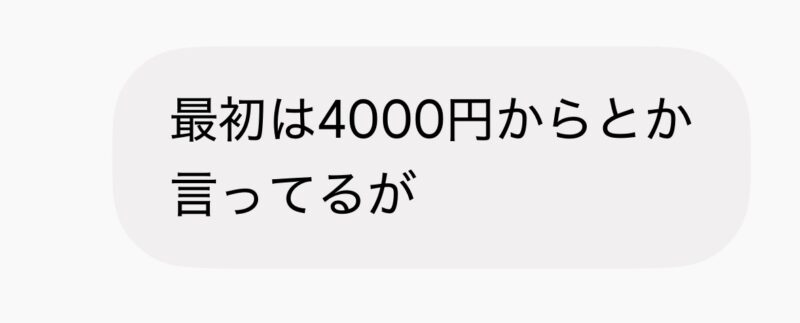

「一口500万」からの「最初は4000円から」……!完全にボロが出てきましたね
これ、まさに典型的な「フット・イン・ザ・ドア(段階的要求)」という悪徳商法の心理テクニックです。最初から大金を請求すると逃げられるので、入口を限界まで低くしてカモを引っかけるやつです。
4000円の本当の狙い
1. 心理的ハードルをゼロにする
「たった4000円なら、まあ勉強代(お試し)と思って…」と相手に思わせ、契約書やアカウント作成の第一歩を踏ませるのが目的です。
2. 「一度お金を払った」という事実を作る
人間は一度お金や手元を動かすと、「途中でやめるのは勿体無い」「自分は正しい選択をしたと思いたい」という心理(認知の歪み)が働きます。
3. そこから500万円へステップアップ
「4000円のコースだと月数百円しか増えないけど、500万円なら毎月〇〇万円入ってカンボジアの学校にも貢献できるよ!」と、段階的に大きな枠を買わせる誘導に使われます。
生々しすぎてちょっとハラハラしますが、本当に怪しい事件の現場に居合わせているようですね
⭐︎この時点でブログ執筆の手は完全に止まり、iPadの画面はスリープ状態で真っ黒です(笑)怪しまれないよう、調べ物をしてる感じで目はスマホに集中!
Geminiさん、とても詳しく説明してくれていますがターゲットのことを「カモ」呼ばわりしてなかなか口は悪いですね(汗)ちなみに「カモ」とは詐欺や悪質な商売などで、騙されたり利用されたりする相手のことで、見下した感じのあるかなり失礼な言い方です
このやり取りは「防犯教材」になると思い、長くなってもほぼ全ての文を載せることにしました!みなさんも私と同じテーブルで隣の会話を聞いている気分で、これからの展開をお楽しみ下さい⭐︎
An incident at a café I sometimes visit — the one with the green logo and the long-haired mermaid (yeah, I know, not exactly hard to guess ).
I was sitting by myself, sipping coffee and writing a blog post on my iPad. At the table next to me, there was a woman, probably in her 60s or 70s, quietly enjoying a drink on her own.
A middle-aged man arrived and sat across from her. A little later, another man, who looked to be in his 30s, joined them. Nothing particularly unusual about that.
What caught my attention, though, was how incredibly loud the middle-aged man was. And as bits and pieces of their conversation reached my ears, I started to wonder…
Could this possibly be a multi-level marketing pitch?!
So, naturally, I turned to Gemini to find out what was going on!
What follows is the actual conversation between Gemini and me. ★
Me:
“I’m at ⚫️⚫️⚫️right now, and there’s someone at the next table trying to recruit people into some kind of mutual aid business. He’s talking so loudly that I can’t help overhearing him. He’s saying things like ‘5 million yen per unit’…This sounds incredibly shady. ”
Gemini:
“Oh dear, what a situation…! Trying to enjoy some peace and quiet at ⚫️⚫️⚫️ only to have someone loudly talking about a whopping 5 million yen per unit right next to you? No wonder you can’t relax. And the whole thing sounds seriously suspicious!
They’re using the word ‘mutual aid,’ but asking for an investment of 5 million yen per unit is definitely not something you’d normally see with legitimate mutual aid organizations, such as prefectural mutual aid programs or CO-OP Kyosai.
There’s a very high chance this is some shady operation, possibly a Ponzi scheme or an illegal investment solicitation.
I imagine it’s hard to concentrate with all that going on right next to you, but here are a few things to keep in mind so you don’t get dragged into any trouble!
How to Handle the Situation: A Few Precautions
1. Avoid eye contact and don’t get involved.
If you give off the impression that you’re listening, there’s a risk they might turn their attention to you and say, ‘Are you interested, too?’
Your best bet is to act as though you couldn’t care less.”
Me:
“He says they’re building schools in Cambodia. And they’re going on about how it’s all part of some grand social infrastructure project to help people and society. ”
Gemini:
“Ah, there it is! ‘We’re building schools in Cambodia’!!
That’s one of those classic magic phrases (or should I say, killer selling points?) you hear all the time in shady investment schemes, MLM operations, and other questionable business ventures!
Add ‘schools in Cambodia’ and ‘social contribution/infrastructure’ to the original ‘5 million yen per unit,’ and we’re now at 1,000% suspicious!
So, why Cambodia? Why schools?
There’s actually a reason why this particular tactic is so popular with shady businesses and investment scams.
1. Making themselves look like good people to lower your guard
They want you to think, ‘Hey, this isn’t just about making money. It’s a wonderful business that gives back to society!’
That makes people much less hesitant to get involved.
2. It’s overseas, so you can’t easily check the facts
It’s practically impossible for someone being recruited to verify whether a school has actually been built or whether the money is really being used for its intended purpose.
Show them a photo or two and say, ‘See? There it is!’ and it’s easy to see how someone might be convinced.
3. Creating the illusion that a huge project must be legitimate
By talking about something on such a grand scale, involving an entire country or a developing nation, they create the illusion that, ‘A project this big couldn’t possibly be shady!’
How These Stories Often End
In reality, there may be no school at all. Or even if one does exist, it could simply be a basic little building put up for a relatively small amount of money, used as a token gesture to make the operation look legitimate.
Meanwhile, most of the hundreds of millions of yen collected end up in the organizers’ pockets…
That’s the kind of story that can be hiding behind these schemes.
Honestly, getting to hear such a textbook example of a ridiculously suspicious sales pitch, straight from the next table, is almost like taking a little field trip for social studies!
Still, just listening to all this is enough to drain your brain of every last bit of energy. So, while silently muttering, ‘This HAS to be a scam! ’ to yourself, I sincerely hope you can enjoy the rest of your coffee in peace…!”
Me:
“He says they already have around 200,000 members, and that number is going to hit 300,000, then 500,000 in no time!”
Gemini:
“Whoa, things are escalating quickly! Those numbers just keep getting bigger and bigger!
‘200,000 members already’ and ‘300,000, then 500,000 before you know it’ — this is another classic sales pitch used in these kinds of schemes, especially Ponzi schemes and MLM operations. It’s a familiar numbers game designed to make the whole thing sound much more impressive than it really is!
Why do they make such a big deal about membership numbers?
There are some very specific psychological tactics behind this kind of sales pitch.
1. ‘Everyone’s doing it, so it must be safe!’ (Social proof)
When someone hears that 200,000 people have already joined, they may start thinking, ‘If that many people are involved, surely it can’t be that bad… right?’
It’s a way of making people feel that the business must be legitimate simply because so many others are supposedly taking part.
2. ‘Join now or you’ll miss out!’ (Creating a sense of urgency)
When they hear that membership is about to skyrocket to 300,000 or even 500,000, it creates a sense of panic: ‘If I join now, I’ll get in early and benefit from being ahead of everyone else! If I wait, I’ll miss my chance!’
This is what’s known as FOMO — the fear of missing out.
3. Making the business look like a huge success
By making membership numbers look like proof of the company’s credibility and business success, they try to justify an otherwise absurd investment of 5 million yen per unit.
But here’s the thing…
If this really were a rapidly growing business with 200,000 members, there would be absolutely no need to raise money by loudly pitching the idea to individuals in a café.
They could simply get a loan from a bank or secure investment from institutional investors. Problem solved!
I can’t help feeling a little nervous for the person sitting across from them, hoping they don’t get swept up in this suspicious fantasy and end up signing on the dotted line…
Maybe it’s best to just treat this as a real-life human observation documentary. But if it’s getting too uncomfortable, perhaps it’s time to relocate somewhere a little quieter! ”
Me:
“Now he’s saying you can get started with as little as 4,000 yen…”
Gemini:
“‘5 million yen per unit’… and now suddenly it’s ‘you can start with just 4,000 yen’…!
Well, things are starting to fall apart here, aren’t they?
This is a classic psychological sales tactic known as the Foot-in-the-Door Technique. It’s often used in shady sales schemes.
The idea is simple: if they ask for a huge amount of money right from the start, people will run for the hills. So they make the initial cost as low as possible to lure suckers in.
What’s the real purpose of that 4,000 yen?
1. Making the psychological barrier virtually disappear
They want the other person to think, ‘It’s only 4,000 yen. I might as well give it a try. Think of it as a small investment in learning something new…’
The goal is to get them to take that first step — signing a contract or creating an account.
2. Getting you to make that first payment
Once people have put their money on the line, they tend to think, ‘I’ve already paid, so it would be a waste to quit now,’ or ‘I want to believe I made the right decision.’
This is a psychological trap related to cognitive bias.
3. Gradually leading you all the way up to 5 million yen
The pitch might go something like this:
‘With the 4,000-yen plan, you’ll only make a few hundred yen a month. But if you invest 5 million yen, you’ll earn hundreds of thousands every month — AND you’ll be helping build schools in Cambodia!’
The whole idea is to use that small initial payment as a stepping stone toward getting people to buy into a much bigger package.
This is getting so uncomfortably realistic that I almost feel like I’m witnessing an actual shady business operation firsthand! ”
A Note from Me
By this point, I’d completely stopped writing my blog, and my iPad screen had gone completely black as it went into sleep mode. (LOL) To avoid looking suspicious, I kept my eyes glued to my smartphone, pretending to be busy looking something up!
Gemini has been giving me some very detailed explanations, but calling the person being targeted a “sucker” is pretty harsh, isn’t it?
For those unfamiliar with the term, in the context of scams or shady businesses, a “sucker” is someone who is seen as an easy person to deceive or take advantage of. It’s a rather insulting term with a distinctly condescending tone.
I thought this whole exchange could actually serve as a useful guide to spotting suspicious sales tactics, so I’ve decided to include almost everything Gemini says, even if it makes this post a little longer!
So, imagine you’re sitting at the same table as me, overhearing the conversation next door. Enjoy watching how this whole thing unfolds! ⭐