The English translation is below
日本語は同音異義語がめちゃくちゃ多いです
同じ「かみ」でも、神、髪、紙、上…などたくさんあります
…なんですが、たとえ会話で音声しかなくても
私たちは文脈やら状況やら他の情報を総合して判断するので
意味を取るのに不便だ、と思うことは特にないんですよ
「昨日“かみ”切ってきた」と聞いたら瞬時に「髪」だと思うし
「聞く」「聴く」や「見る」「観る」あたりは
会話においてはそんな細かいことは
どうでもいいので気にしません(笑)
ただ書き取りに関してはまた別で
そこは本当に苦労の連続なんですが…
でも、どうやら私たち人間だけでなく
機械もそうらしいのです
私たちがキーボードで文章を書くときには
日本語入力システムが機能しています
日本語の同音異義語の多さに加えて
日本語入力システムが文脈を推測して
漢字を選ぶため、ときどき盛大に間違えるんですね
技術の進歩とともに、文脈をかなり理解できるようになりましたが
まだまだ完全ではなく、変換候補を間違えて
とんでもない方向へ行ってしまうことがあります
「資料(しりょう)の添付」が「死霊の添付」
になって呪われたホラーな案件になったり…
コロナの時期には「陽性になってた」の代わりに
「妖精になってた」というメールも飛び交いました♪
今回は、日本人と日本語入力システムの合わせ技による
「笑える誤変換」を集めてみたのでご紹介します!

◇帰る途中→かえるとちゅう→蛙とチュウ♡
◇「老いも、病も…」とシニアの嘆き文章のハズが
おいも、やまいも→お芋、山芋
◇男性飲み放題 居酒屋の看板などにある、男性がお得なキャンペーン
だんせいのみほうだい→男性の見放題 …女性がお得なイケメン祭り⁈
◇お客様用トイレ
おきゃくさまようといれ→お客彷徨うトイレ
トイレが見つかりにくい場所にありそうです
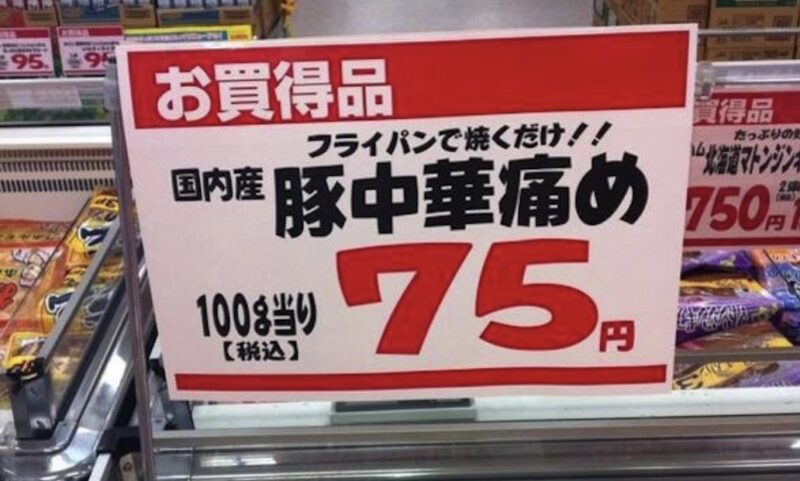
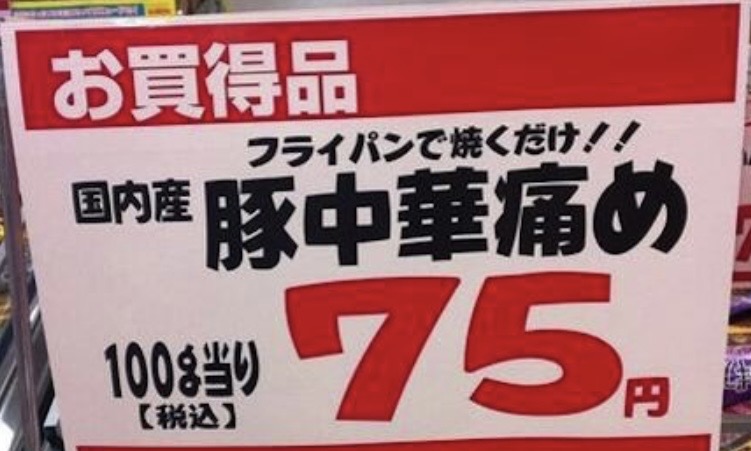
◇「豚中華炒め」が正しいです
炒め→いため→痛め
従業員の皆さん、誰も気づかなかったのかなぁ〜
◇「ハイ、写真だよ」
はいしゃしんだよ→「歯医者死んだよ」
◇「リスト表を送ります」
りすとひょうをおくります→「リスとヒョウを送ります」
これ、Geminiに作ってもらった画像がなかなか
良かったので貼っときます♬
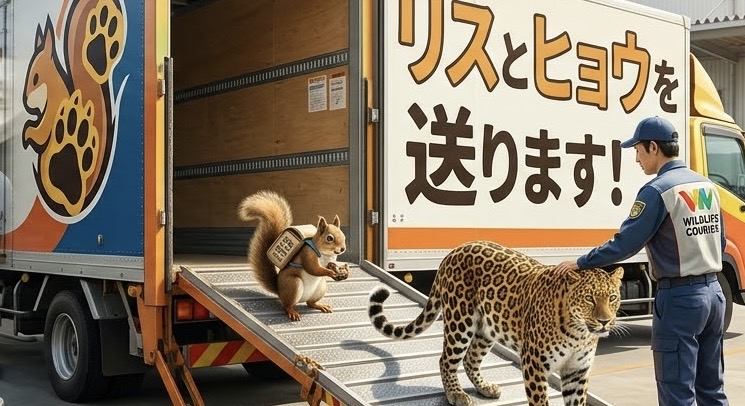
なんでリスがランドセル背負ってんだろ…
◇「放課後行こうね」
ほうかごいこうね→「放火後行こうね」
その後どこへ行くのだ…しかも語尾の「ね」が
相手の同意を誘っています
◇「規制中で渋滞だ」
きせいちゅうでじゅうたいだ→「寄生虫で重体だ」
交通情報から、いきなり生死に関わるニュースへ
ジャンル変更されてる!
◇「あなたのこと理解したい」
あなたのことりかいしたい→「あなたの小鳥怪死体」
いったい何が・・・
◇「置いてかれた感じだ」
おいてかれたかんじだ→「老いて枯れた感じだ」
自分で言ったら余計に老いが加速しそう…
◇「良くできた内容です」
よくできたないようです→「欲で汚いようです」
プラスの評価コメントが突然人格批判‼︎
◇「ちぎっては投げ、ちぎっては投げ…」
ちぎってはなげ→「ちぎって鼻毛、ちぎって鼻毛」
「ちぎっては」の「は」の発音は「わ」なんですけどね
日本語入力システム、まだまだだなぁ〜
◇「ドアは鎖かけてるから大丈夫」
どあはくさりかけてるからだいじょうぶ
→「ドアは腐りかけてるから大丈夫」
むしろ防犯性能が絶望的に低下
◇「講習会の出欠を確認して下さい」
こうしゅうかいのしゅっけつをかくにんしてください
→「口臭か、胃の出血を確認して下さい」
事務的な連絡が、医療現場の指示へと化けた!
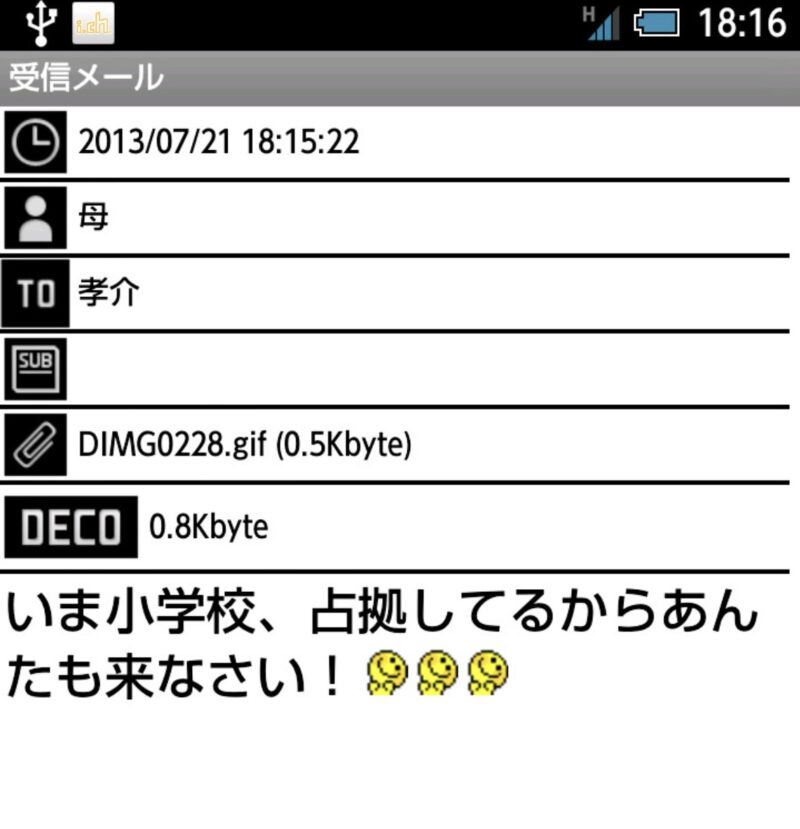
◇母から成人している息子へのメール
「いま小学校、占拠してるからあんたも来なさい!」
このお母さんは「小学校が投票所になっているから
投票しに来なさい」と言いたかったのだろうと
私たちはほぼ一瞬で想像できます
「選挙」が「占居」に誤変換されて
立てこもり事件の犯人からの呼び出しのように
なってしまいました♬
◇「あけまして おめでとう」
→「あ、毛増しておめでとう」
こういうのって、気づいた時喜びを伝えたほうがいいのか
スルーした方がいいのか悩みます
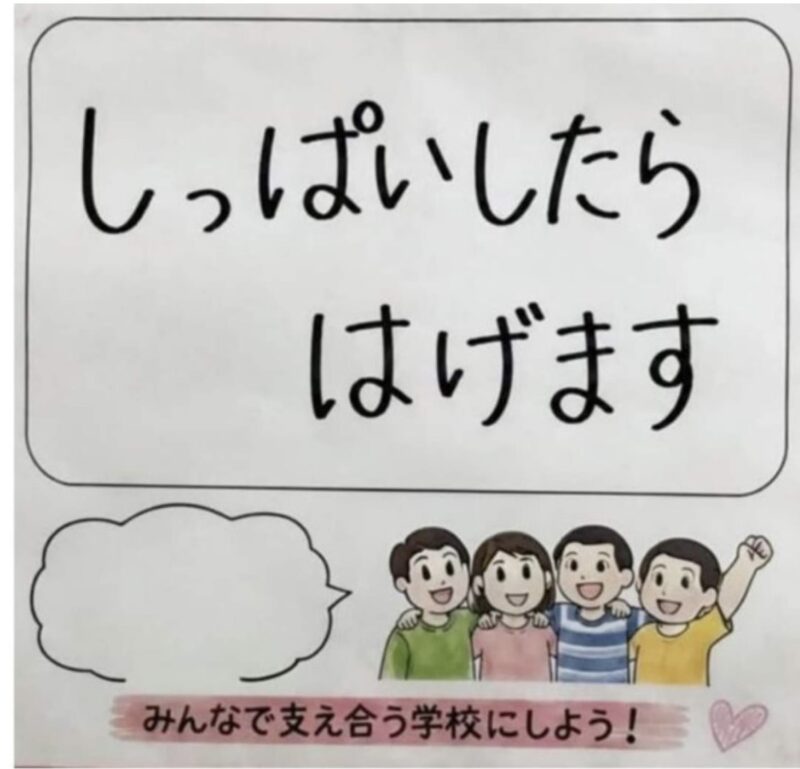
◇これは幼い子供向けなのでひらがなで書いてありますが
皆さんはちゃんと頭の中で漢字変換できましたか?
上の文に引っ張られたら
「失敗したらハゲます」になったかも知れません(笑)
正しくは「失敗したら励ます」ですよ♬
Japanese has an incredible number of homonyms.
Take the sound kami, for example. Depending on the context, it can mean 神 (god), 髪 (hair), 紙 (paper), 上 (above), and many other things.
You might think this would make Japanese difficult to understand, but even when we only hear the word in conversation, we usually have no particular trouble figuring out what it means. We naturally take the context, the situation, and all the other information available into account.
If someone says, “I got my kami cut yesterday,” we instantly understand that they mean 髪, “hair.”
The same goes for distinctions such as 聞く and 聴く (“hear/listen”) or 見る and 観る (“see/watch”). In conversation, we don’t really care about such fine distinctions anyway, so we don’t give them much thought.
Writing things down, however, is a different story.
That’s where the real struggle begins…
And apparently, it’s not just us humans who have trouble with this. Machines do, too.
When we type Japanese using a keyboard, a Japanese input system converts what we type into Japanese characters. Because Japanese has so many homonyms, the system has to guess which kanji we mean based on the context.
And sometimes, it gets spectacularly wrong.
Thanks to advances in technology, Japanese input systems have become pretty good at understanding context. But they’re still far from perfect. Every now and then, they pick the wrong conversion candidate and send the sentence heading off in a completely unexpected direction.
For example, 「資料の添付」(shiryō no tenpu), meaning “attachment of the requested document,” can sometimes turn into 「死霊の添付」(shiryō no tenpu)—“attachment of a ghost” or “attachment of evil spirits.”
Suddenly, what was supposed to be an ordinary business email has turned into a horror story.
During the COVID-19 pandemic, another funny conversion became popular.
Instead of 「陽性になってた」(yōsei ni natteta), meaning “I tested positive,” people sometimes ended up with 「妖精になってた」(yōsei ni natteta)—“I had become a fairy.”
So instead of testing positive for COVID, you apparently woke up one day and became a fairy.
This time, I’ve collected some funny Japanese conversion mistakes—the result of a rather entertaining collaboration between Japanese speakers and their Japanese input systems. Here are some of my favorites!
◇ 帰る途中 → かえるとちゅう → 蛙とチュウ♡
kaeru tochū (“on the way home”) → kaeru to chū (“a frog and a kiss”) ♡
So instead of simply heading home, you’re apparently encountering a frog and sharing a kiss. 🐸💋
◇ 「老いも、病も…」
A sentence lamenting the hardships of growing old and falling ill was supposed to say:
oi mo, yamai mo…
“Old age, illness, and all that…”
But it was converted into:
お芋、山芋
“sweet potatoes, yams…”
From the hardships of old age and illness to a lovely discussion about potatoes.
◇ 男性飲み放題
This is the kind of phrase you might see on an izakaya sign advertising a special deal for men.
dansei nomihōdai = “all-you-can-drink for men”
But a conversion mistake can turn it into:
男性の見放題
“men available for unlimited viewing”
…Has this suddenly become a campaign where women get to feast their eyes on handsome men?!
◇ お客様用トイレ
okyakusama-yō toire = “restroom for customers”
But it can become:
お客彷徨うトイレ
“a restroom where customers wander around”
It sounds like the restroom is hidden somewhere so difficult to find that customers have to wander around looking for it.
◇ 「豚中華炒め」 is the correct wording.
炒め (itame) → 痛め (itame)
I wonder if none of the employees noticed it.
◇ 「ハイ、写真だよ」
hai, shashin da yo → 「歯医者死んだよ」
“Here, here’s the photo.” → “The dentist is dead.”
◇ 「リスト表を送ります」
risuto-hyō o okurimasu → 「リスとヒョウを送ります」
“I’ll send you the list.” → “I’ll send you a squirrel and a leopard.”
I asked Gemini to make an image for this one, and it turned out pretty good, so I’m including it here. ♬
But… why is the squirrel wearing a school backpack?
◇ 「放課後行こうね」
hōkago ikō ne → 「放火後行こうね」
“Let’s go after school.” → “Let’s go after the arson.”
Where exactly are we going afterward…?
And that final 「ね」 (ne) makes it sound like you’re actually asking the other person to agree to this plan.
◇ 「規制中で渋滞だ」
kiseichū de jūtai da → 「寄生虫で重体だ」
“There’s a traffic jam because the road is restricted.” → “Someone is critically ill because of a parasite.”
We’ve gone from a traffic report to a life-or-death news story without warning!
◇ 「あなたのこと理解したい」
anata no koto rikai shitai → 「あなたの小鳥怪死体」
“I want to understand you.” → “Your little bird… a mysterious dead body…”
What on earth happened…?
◇ 「置いてかれた感じだ」
oitekareta kanji da → 「老いて枯れた感じだ」
“I feel like I was left behind.” → “I feel like I’ve grown old and withered.”
If you say that about yourself, wouldn’t it just make you feel even older…?
◇ 「良くできた内容です」
yoku dekita naiyō desu → 「欲で汚いようです」
“This is a well-made piece of work.” → “It seems to be filthy with greed.”
A positive review suddenly turns into a personal attack!
◇ 「ちぎっては投げ、ちぎっては投げ…」
chigitteru wa nage, chigitteru wa nage… → 「ちぎって鼻毛、ちぎって鼻毛」
“Rip it off and throw it, rip it off and throw it…”
→ “Rip out nose hairs, rip out nose hairs…”
The 「は」 in 「ちぎっては」 is actually pronounced wa, not ha.
Apparently, the Japanese input system still has a long way to go!
◇ 「ドアは鎖かけてるから大丈夫」
doa wa kusari kaketeru kara daijōbu → 「ドアは腐りかけてるから大丈夫」
“The door is secured with a chain, so we’re safe.”
→ “The door is starting to rot, so we’re safe.”
Quite the opposite, actually. The door’s security has just become hopelessly worse.
◇ 「講習会の出欠を確認して下さい」
kōshūkai no shukketsu o kakunin shite kudasai → 「口臭か、胃の出血を確認して下さい」
“Please confirm attendance for the training session.”
→ “Please check for bad breath or stomach bleeding.”
A routine administrative message has suddenly turned into instructions from a medical professional!
◇ An email from a mother to her adult son:
「いま小学校、占拠してるからあんたも来なさい!」
“I’m occupying an elementary school right now, so you come here, too!”
We can almost instantly imagine what this mother actually meant:
the elementary school was being used as a polling station, and she was telling her son to come and vote.
「選挙」(senkyō, “election”) was mistakenly converted to 「占拠」(senkyo, “occupation/seizure”), turning an ordinary invitation to go vote into a message that sounds like a hostage-taker calling for backup. ♬
◇ 「あけまして おめでとう」
→ 「あ、毛増しておめでとう」
“Happy New Year!”
→ “Oh, congratulations on having more hair!”
Even if you really did notice that someone had more hair, you’d probably think twice before pointing it out to them.
◇ This is written entirely in hiragana because it is intended for young children.n
「しっぱいしたら はげます」
But were you able to convert it into the correct kanji in your head?
If you were influenced by the sentence above, you might have read it as:
「失敗したらハゲます」
“If you fail, you’ll go bald.”
But the correct reading is:
「失敗したら励ます」
“If you fail, I’ll encourage you.” ♬